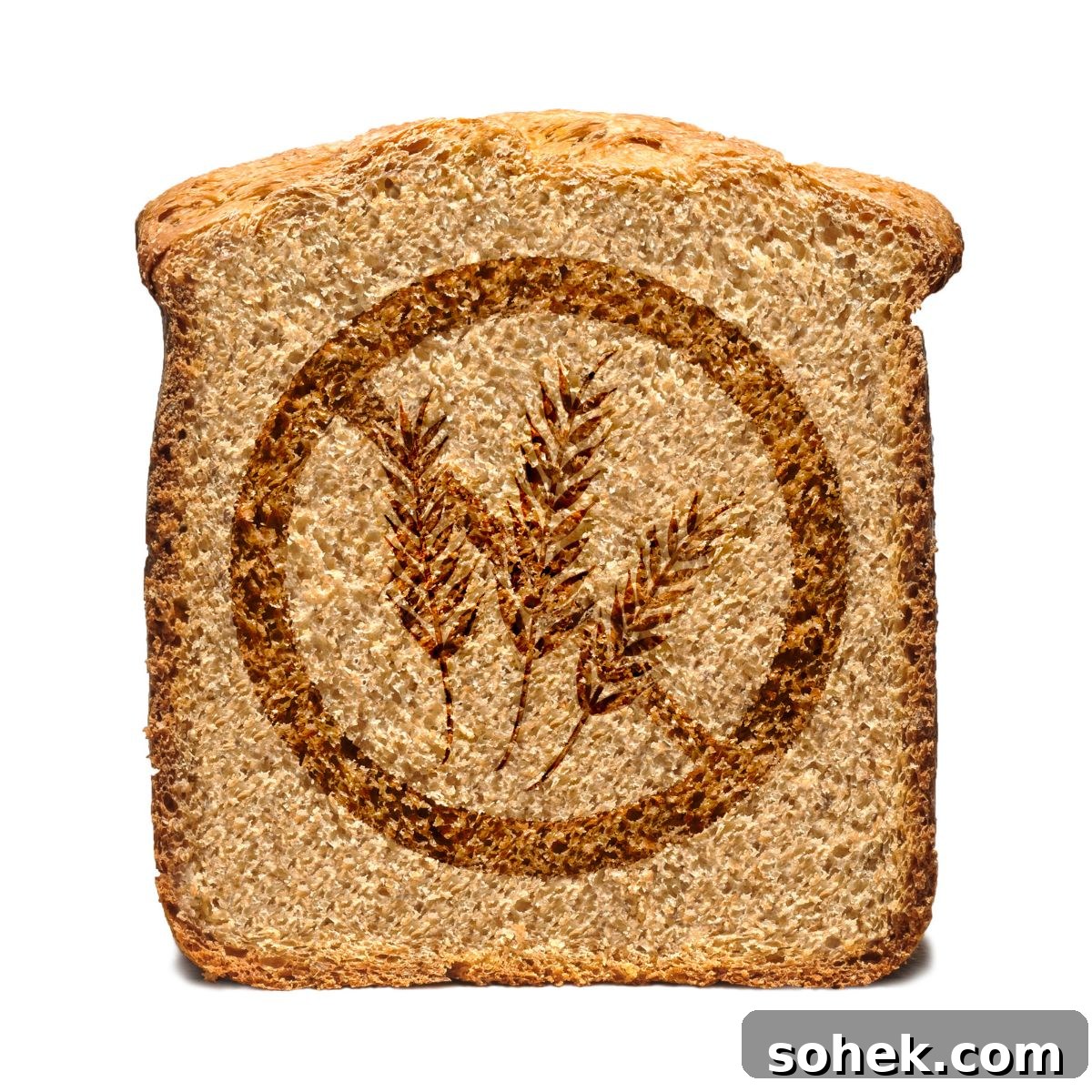
Is white bread gluten free? For people with celiac disease or those following a strict gluten-free diet, knowing whether a slice of white bread is safe matters. While there are gluten-free white breads on the market, most traditional white breads are made from wheat flour and therefore contain gluten. Below we explain what gluten is, why it’s present in most white breads, and how to identify safe alternatives.
If you’re new to gluten-free living, white bread may seem like a confusing topic. It’s a familiar staple for many, but the processing and ingredients behind conventional white bread usually include gluten, so it’s important to learn how to spot safe options.
In this article we walk through the basics of gluten, how it affects the body, differences between white breads, and practical tips for finding gluten-free loaves and replacements that still deliver good texture and flavor.
What is gluten and how can it affect you
Gluten is a protein found in wheat, barley, and rye. It gives dough elasticity and contributes to the chewy texture and structure of bread. Most people tolerate gluten without issue, but for those with celiac disease, gluten triggers an autoimmune reaction that damages the small intestine and causes nutrient malabsorption and a range of symptoms including abdominal pain, bloating, and fatigue.
Some people without celiac disease still experience sensitivity to gluten, with symptoms such as digestive upset or worsening of conditions like irritable bowel syndrome. For these reasons many people choose gluten-free diets to ease symptoms or for medical necessity.
White bread and gluten: the facts
Traditional white bread is most often made from refined wheat flour, where the bran and germ have been removed. That refining process changes the nutrient profile but does not remove gluten. Because wheat is the primary ingredient in conventional white loaves, most white breads contain gluten.
That said, not all white breads are the same. Some brands produce gluten-free white bread using alternative flours and blends designed to mimic the texture of wheat bread. Always check labels carefully if you need to avoid gluten.
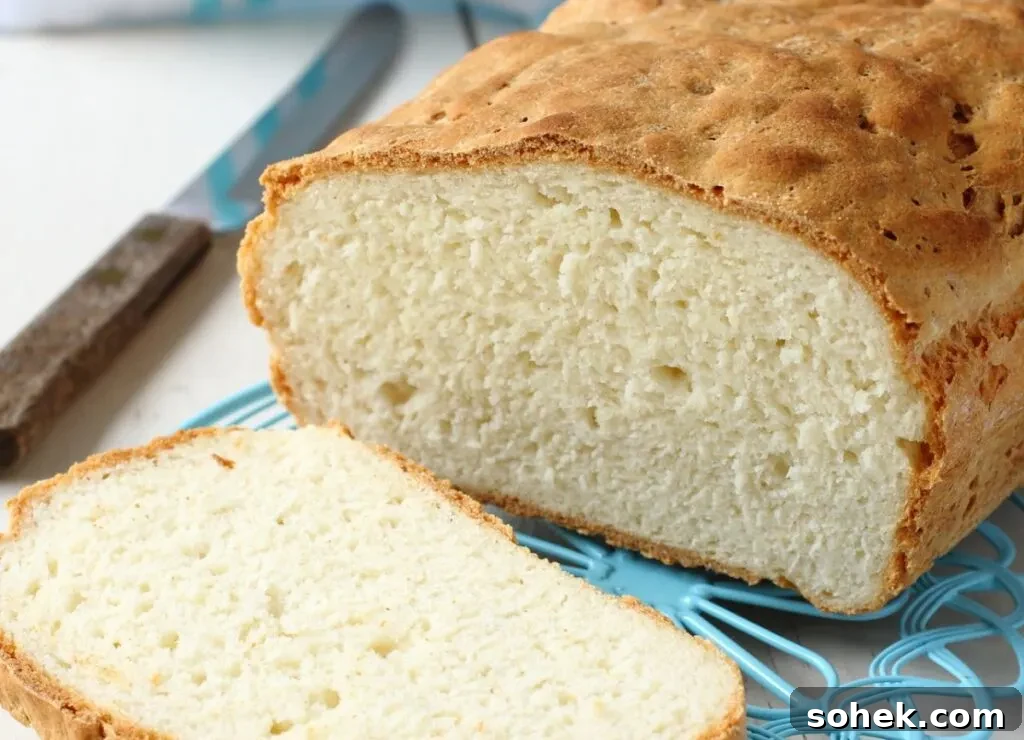
A freshly baked, pillowy slice of white bread is appealing to many, and gluten-free versions now aim to reproduce that same softness and crumb for those who need them.
How different white breads vary in gluten content
Many supermarket shelves display a wide range of white bread options: basic white loaves, enriched and fortified varieties, artisan-style wheat breads, and certified gluten-free alternatives. The key difference is the flour base. Any product made with wheat, rye, or barley will contain gluten. Gluten-free white breads replace wheat flour with rice, sorghum, potato, tapioca, or other gluten-free flours blended with binders to approximate the texture of wheat bread.
Reading ingredient lists and looking for a clear “Gluten-Free” label will help you distinguish between traditional and gluten-free white breads.
Benefits of gluten-free white bread
Gluten-free white breads make it possible for people with celiac disease or gluten sensitivity to enjoy sandwiches, toast, and other bread-based foods without risking symptoms. Many gluten-free breads are formulated with whole grain gluten-free flours like brown rice or buckwheat and may be fortified with vitamins and minerals to improve their nutritional profile.
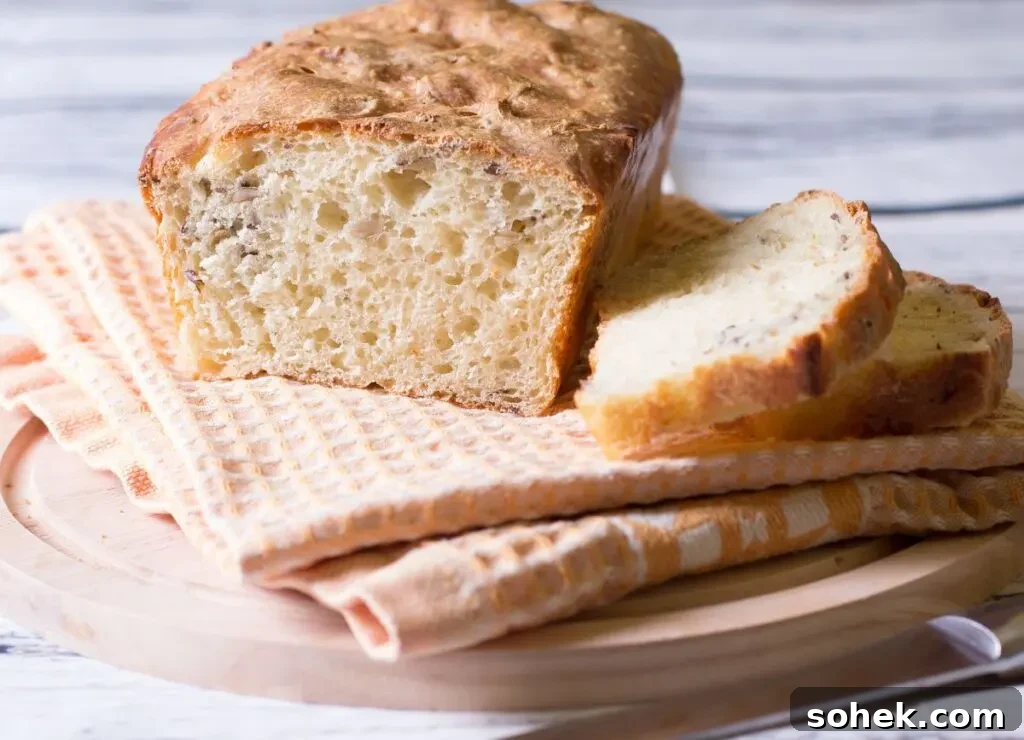
While textures vary by brand, modern gluten-free recipes often deliver soft, tender loaves that appeal to a wide audience, making them a practical option for everyday meals.
How to identify gluten-free products at the grocery store
Shopping gluten-free gets easier once you know what to look for. Tips:
- Look for a clear “Gluten-Free” or “Certified Gluten-Free” statement on the packaging.
- Scan ingredient lists for wheat, barley, rye, malt, or other gluten-containing ingredients.
- Shop perimeter aisles for naturally gluten-free foods like fruits, vegetables, meats, and dairy.
- When in doubt, choose products that are explicitly labeled gluten-free—this is especially important for people with celiac disease.
Gluten-free white bread brands (examples)
There are several reputable brands that produce gluten-free white bread with good texture and flavor. Some widely known options include artisan-style gluten-free loaves and mass-market brands that offer soft, sandwich-ready gluten-free white bread. Individual preferences for texture and taste vary, so trying a few brands will help you find your favorite.
White breads to consider
Schar Artisan White Bread
A gluten-free artisan-style loaf that aims for a soft, tender crumb.
Franz Gluten Free Mountain White Bread
A mass-market gluten-free white bread option designed for everyday sandwiches and toast.
New Grains Artisan White Bread
An artisan-style gluten-free loaf with a focus on texture and flavor.
Canyon Bakehouse Country White Bread
A soft, sandwich-oriented gluten-free white bread known for consistent quality.
Carbonaut Gluten Free White Keto Bread
A low-carbohydrate, gluten-free alternative for those following keto or low-carb diets.
Little Northern Bakehouse White Bread
A gluten-free white bread that aims to replicate the feel of traditional soft loaves.
Katz Gluten Free White Bread
A gluten-free option produced by a specialty bakery with attention to taste and texture.
Udi’s Gluten Free Bread
One of the more widely available gluten-free bread brands, offered in sandwich-ready loaves.
Keep in mind that texture preferences differ—some people love the way gluten-free bread feels and tastes, others prefer traditional wheat bread. Trying different products is the best way to find what works for you.
Common questions
Is white bread low in gluten?
No. Unless the recipe specifically uses gluten-free flours, white bread will contain gluten because wheat-based flours naturally contain this protein which contributes to the bread’s structure and rise. To make white bread gluten-free, use a gluten-free flour blend or mix formulated for baking.
Do potatoes have gluten?
No, potatoes are naturally gluten-free. Potato flour or mashed potatoes are sometimes used in gluten-free baking to improve moisture and texture.
Does toasting bread reduce gluten?
No. Toasting does not reduce or destroy gluten. The only reliable way to eliminate gluten is to use gluten-free ingredients and avoid cross-contamination during preparation.
How do you know if bread is gluten-free?
Always read the ingredient list and look for an explicit “Gluten-Free” label. If a package does not indicate it is gluten-free, don’t assume it is safe—especially if you have celiac disease or a severe gluten sensitivity. Labels matter for other allergens too, so check packages carefully.
Is white bread gluten free?
In short: standard white bread made from wheat is not gluten-free. Only white breads labeled and made as gluten-free—using alternative flours and proper manufacturing controls—are safe for people who must avoid gluten. Read labels and choose certified gluten-free products when necessary.
Understanding gluten and reading labels will help you make safe, satisfying choices. Gluten-free white bread options are available and improving in texture and taste, making it easier to enjoy familiar foods while maintaining a gluten-free diet.