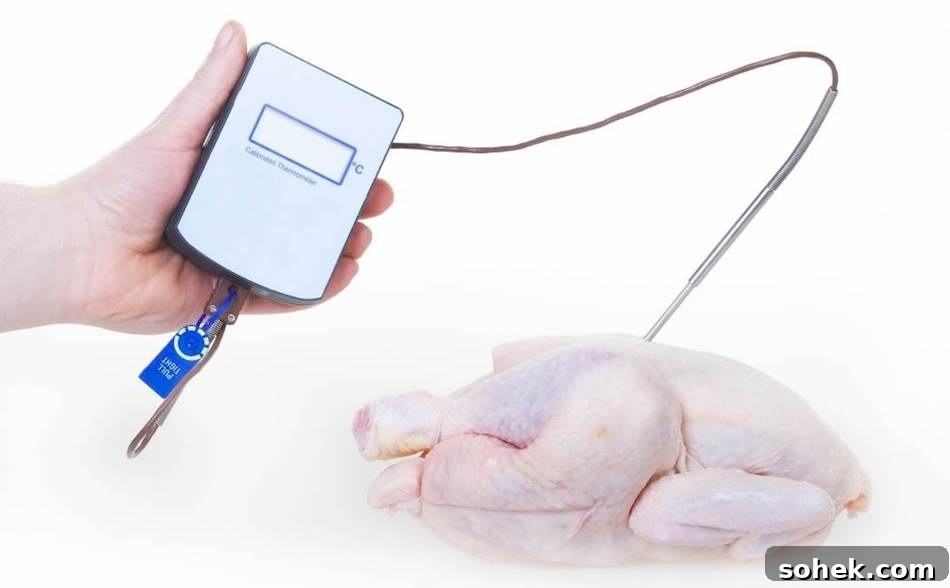
If your food thermometer isn’t accurate, it defeats its purpose. We rely on thermometers to keep food safe and ensure the right doneness, so it’s important to know how to check and recalibrate them at home. I consulted guidance from major thermometer manufacturers and condensed practical steps you can use to test and maintain your device.
A meat thermometer should be calibrated before first use and checked regularly, because accuracy can drift over time. High-quality digital thermometers often hold their calibration, but it’s still wise to perform periodic ice-bath and boiling-point tests. Impact from drops or knocks is a common cause of inaccuracy, so test any thermometer after it has been banged around.
- Calibrating a thermometer confirms it provides reliable temperature readings, which is essential for food safety.
- Incorrect readings can lead to undercooked or overcooked food and increase the risk of foodborne illness.
- Regular calibration checks reveal whether a thermometer still performs within the manufacturer’s tolerance or needs adjustment or replacement.
- Calibration can be done using reference points: an ice-water bath for the freezing point, and a boiling water bath (adjusted for local elevation) for the boiling point. A calibrated lab reference may be used for professional setups.
- Basic calibration steps:
- Prepare a reliable reference temperature (ice water or boiling water for most home thermometers).
- Compare the thermometer reading to the reference.
- If the reading is off, adjust the thermometer per the manufacturer’s procedure.
- Repeat tests to confirm consistent results.
How to Test For Accuracy
If a thermometer has been dropped or subjected to heavy use—common when smoking meat—it may start to read a few degrees off. The two simplest home checks are the ice bath and the boiling water test. Higher-end thermometers are usually more durable and stable, while cheaper models benefit from more frequent checks and occasional recalibration.
The Ice Bath Test
| Step | Description |
|---|---|
| 1 | Fill a large glass or bowl with ice and water. |
| 2 | Place the thermometer into the ice bath so the probe tip is fully submerged. |
| 3 | Wait a few minutes for the reading to stabilize. |
| 4 | Record the temperature shown. |
| 5 | Compare the reading to the freezing point of water (32°F / 0°C). |
| 6 | If it does not read 32°F / 0°C, adjust the thermometer using its adjustment control if available. |
| 7 | Repeat the test a few times to confirm consistent results. |
Can You Calibrate a Meat Thermometer Yourself?
Yes. Follow the user manual for your model, perform an ice bath test, and follow up with a boiling-point test. Manuals specify acceptable tolerances (for example ±1°F) that indicate whether the thermometer is within spec. If it falls outside the stated range after testing, it will need recalibration or replacement. If you don’t have the manual, download the manufacturer’s instructions from their site.
Boiling Water Test
| Step | Description |
|---|---|
| 1 | Fill a pot with water and bring it to a rolling boil on high heat. |
| 2 | Insert the thermometer so the probe tip is submerged but not touching the pot’s sides or bottom. |
| 3 | Wait for the reading to stabilize. |
| 4 | Note the temperature. At sea level water boils at 212°F / 100°C; the boiling point changes with elevation. |
| 5 | Compare the reading to the expected boiling point for your location and adjust if your thermometer allows. |
| 6 | Repeat the test to ensure consistent results. |
The Reset Button for Recalibration
Many digital meat thermometers include a reset or calibration function. Consult your manual for the exact procedure. If you smoke meat often, test your thermometer every few months and always test it after a drop or hard impact. If you cannot recalibrate a device and it remains inaccurate, replace it—an unreliable thermometer is worse than none.
Test 1 – Checking Accuracy With Ice Water
The ice-bath test is the most reliable at-home method. A correctly prepared ice bath should read 32°F / 0°C, and most thermometers should be within about 1°F (or the manufacturer’s stated tolerance) of that. Follow the proper setup to avoid false readings.
How To Do An Ice Bath Test
- Fill a jug or bowl with ice.
- Add enough cold water to nearly fill the container so ice and water mix freely.
- Place the probe in the center of the mixture without resting on the container sides.
- Wait for the reading to stabilize and confirm it shows 32°F / 0°C within the expected tolerance.

Test 2. Checking Accuracy With Boiling Water
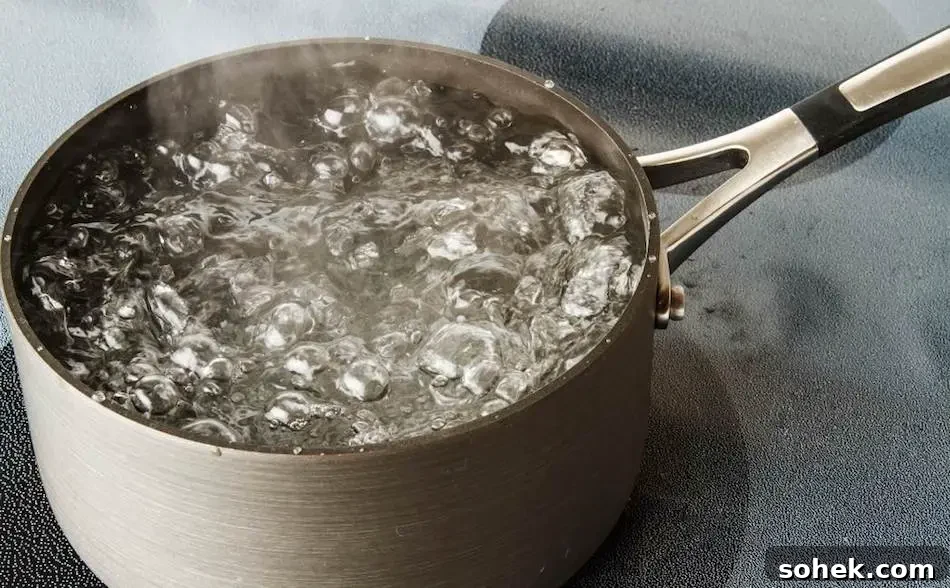
Boiling-point testing requires accounting for local elevation, since water boils at lower temperatures at higher altitudes. Use a reliable reference for your local boiling point and compare your thermometer’s reading when the water reaches a full rolling boil.
The Boiling Point Test
- Fill a deep pot about half full with water and place it on the stove.
- Bring the water to a vigorous boil on the highest setting.
- Insert the probe without touching the pot’s sides or bottom and wait for stabilization.
- Note the temperature and compare it against the boiling point for your elevation.
Do All Thermometers Need Recalibration?
Top-tier thermometers generally need less frequent recalibration, but every device should be checked after unboxing and periodically thereafter. How often depends on usage and handling—heavy use or frequent impacts mean more frequent checks.
How Often Should I Calibrate My Thermometer?
If you smoke meat often, check calibration every few months. If the thermometer is dropped or shows inconsistent readings, test it immediately. Even durable instruments benefit from occasional verification as they age.
Are Cheap Meat Thermometers Accurate?
Some affordable thermometers perform well, but many low-cost models are less reliable. If you use a budget thermometer, test it after purchase and check periodically. If it consistently reads outside acceptable tolerances, consider replacing it.
Most Accurate Meat Thermometer
High-end brands are widely regarded as benchmarks for accuracy and speed. Professionals often choose premium instant-read models for their speed and reliability. If accuracy is critical to you, investing in a well-regarded model will reduce the need for frequent recalibration.
The Importance of Accurate Thermometers
An accurate thermometer is essential for smoking and cooking meat safely and to the desired doneness. Reliable internal temperature readings destroy harmful bacteria and help you achieve proper texture and juiciness. For example, USDA guidance recommends minimum internal temperatures to ensure safety; follow official guidance for target temperatures and always measure in the thickest part of the cut, away from bone and fat.
Regularly checking your thermometer helps protect food safety and ensures consistent culinary results. Accurate readings let you hit the intended level of doneness—whether rare, medium, or well done—while preserving tenderness and flavor.
USDA Recommendations
The USDA recommends testing the internal temperature of foods to ensure safety and advises calibrating thermometers regularly in foodservice environments. They also recommend inserting thermometers into the thickest part of the food, away from bone, fat, or gristle, and using devices with long stems and clear displays for best results.
My Favorite Meat Smoking Tools
Here are some tools I use when smoking brisket. These are personal recommendations based on experience:
Meat Thermometer: A dual-probe thermometer is useful for monitoring both smoker and meat simultaneously.
Instant-Read Thermometer: A fast, accurate instant-read helps check temperature in multiple areas during the final stages of a cook.
Wireless Thermometer: Wireless models that use Bluetooth or Wi‑Fi allow remote monitoring from your phone and are convenient for long cooks.
Butcher Paper: Unwaxed, food-grade butcher paper is commonly used to wrap brisket to preserve moisture while maintaining a good bark.
Advanced Thermometer and Automatic Controller: For serious pitmasters, multi-channel Bluetooth/Wi‑Fi controllers provide detailed monitoring and can automate temperature control for set-and-forget cooks.
Calibrating a meat thermometer is straightforward: use an ice bath and a boiling water check (adjusted for elevation) to confirm or correct readings. Regular testing keeps your equipment reliable and helps you cook safely and consistently every time.