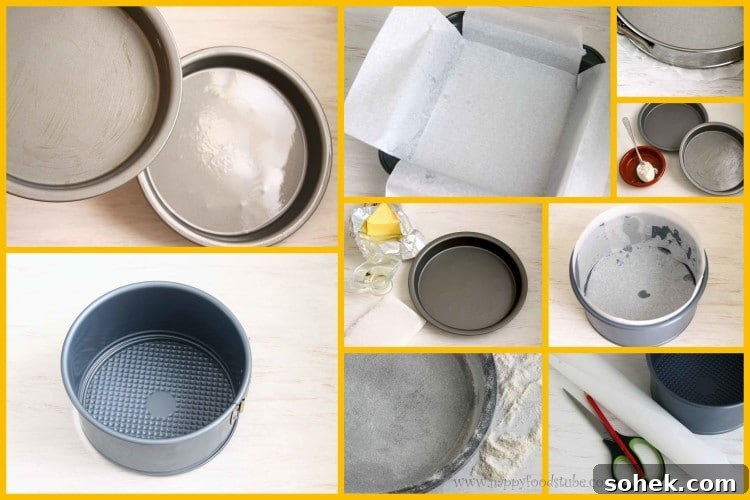
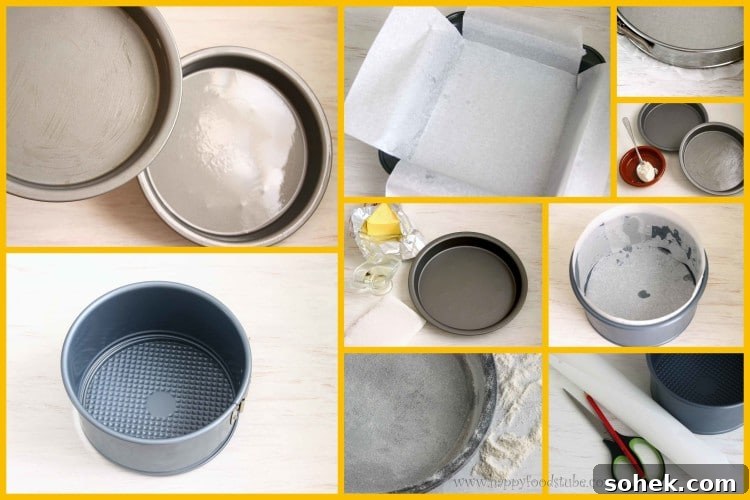
Preparing your cake tin properly before baking makes a big difference — nothing ruins a cake faster than one that refuses to come out of its tin. Regardless of the material or type of tin you own (loose bottom, springform, non-stick or otherwise), taking a few simple steps will save time and frustration when removing and cleaning the tin.
Over the years I’ve tried several cake tins and learned that even so-called non-stick pans can still leave crumbs or batter stuck to the sides or bottom. To avoid lengthy scrubbing or damaged cakes, use one or a combination of the following reliable methods.
1. Greasing
Greasing is the simplest and most common approach. Use butter, vegetable oil, or margarine to coat the inside of your cake tin — bottom and sides — ensuring full coverage.
Method:
If using vegetable oil, fold a paper kitchen towel and pour about a tablespoon of oil onto it. Use the towel to spread oil across the base and sides. A silicone brush works well too. For butter, you can use a folded paper towel or your fingers; some bakers prefer holding the butter by its wrapper and rubbing the exposed end over the pan. Margarine is applied the same way as butter.
2. Dusting
Dusting adds an extra safeguard so cakes release cleanly. After greasing the tin, add 1–2 tablespoons of flour (less for small tins, more for larger ones). Tap and rotate the tin so the flour coats the bottom and sides evenly. Shake out any excess flour before pouring in the batter.
3. Lining
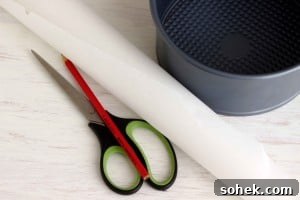
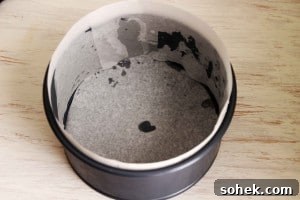
Lining with baking parchment is a fast, effective way to prevent sticking and help with neat removal. Here are simple ways to line different shapes of tins:
Round tins: Place the tin on a sheet of baking paper and trace the base with a pencil. Cut the traced circle slightly smaller than the drawn line so it fits inside the tin. Add a small dab of oil or butter to keep the paper from slipping, then set the circle in the base. Grease, dust, or add paper strips to the sides as needed.
To line the sides, cut a strip of baking paper that matches the tin’s height (or is a little taller) and long enough for the circumference (a bit of overlap is fine). Press the strip into the sides and smooth it down.
Rectangular, square, and loaf tins: Place the tin on a sheet of parchment and measure its width. Cut a strip that covers the base and two opposite sides and is slightly taller than the tin. Place this strip inside. Then cut and add additional strips to cover the remaining sides so the bottom is doubly lined and each side is covered at least once. For square tins you’ll usually need two identical strips; for longer loaves, cut strips to fit the remaining sides and length.
These basic techniques will protect your cake and make cleanup easier. There are other lining techniques that vary by baker and recipe; experiment to find the combination of greasing, dusting, and lining that works best for your tins and your baking style.
Watch our video: