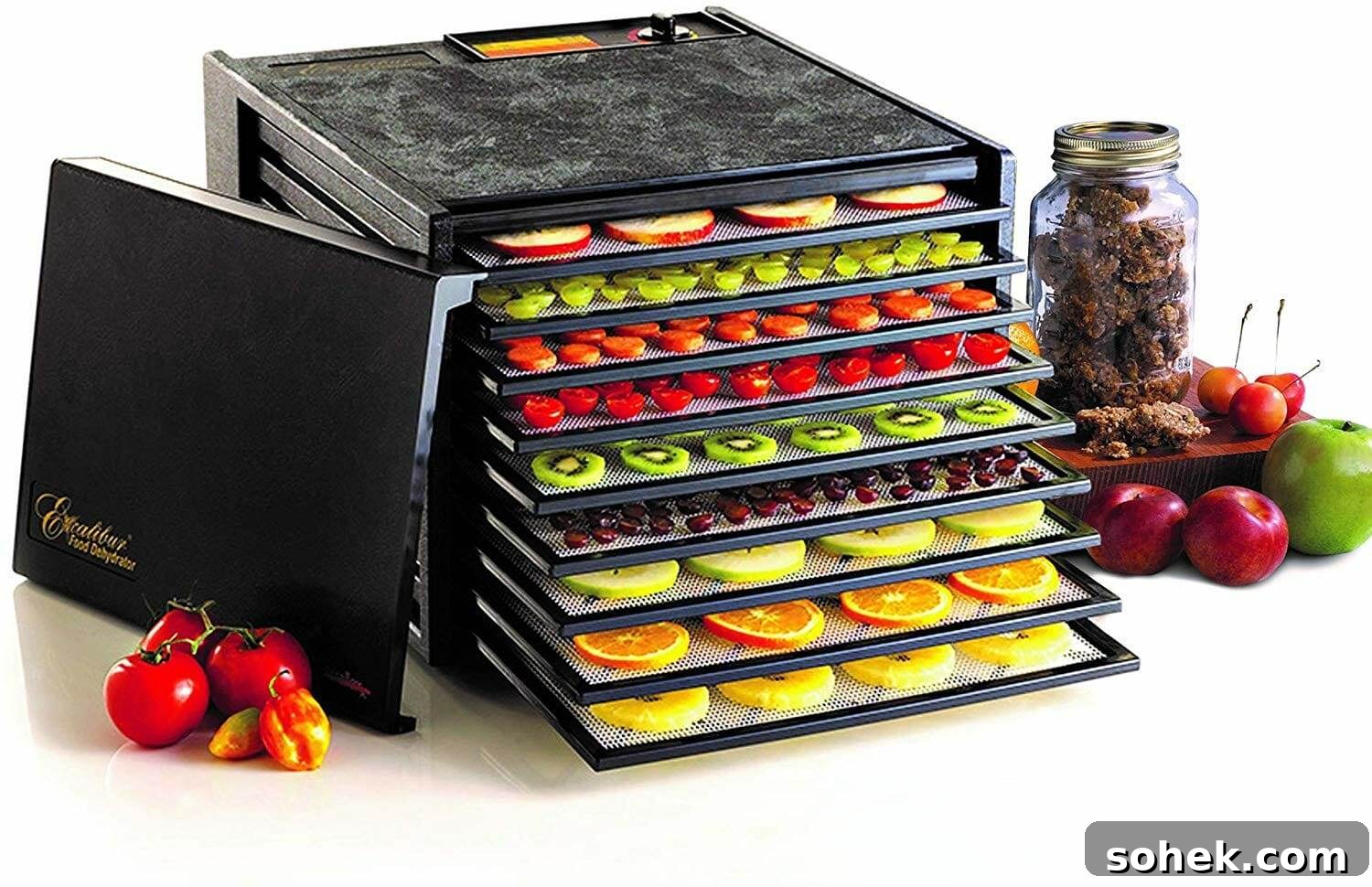
What’s your favourite dehydrator? It’s the question I get most often in my dehydrating workshops and online conversations. While I usually avoid endorsing specific brands, when it comes to dehydrators I consistently recommend Excalibur. It’s the Rolls Royce of dehydrators in my experience.
Disclosure: I have included links previously to help identify models. I earn from qualifying purchases when those links are used.
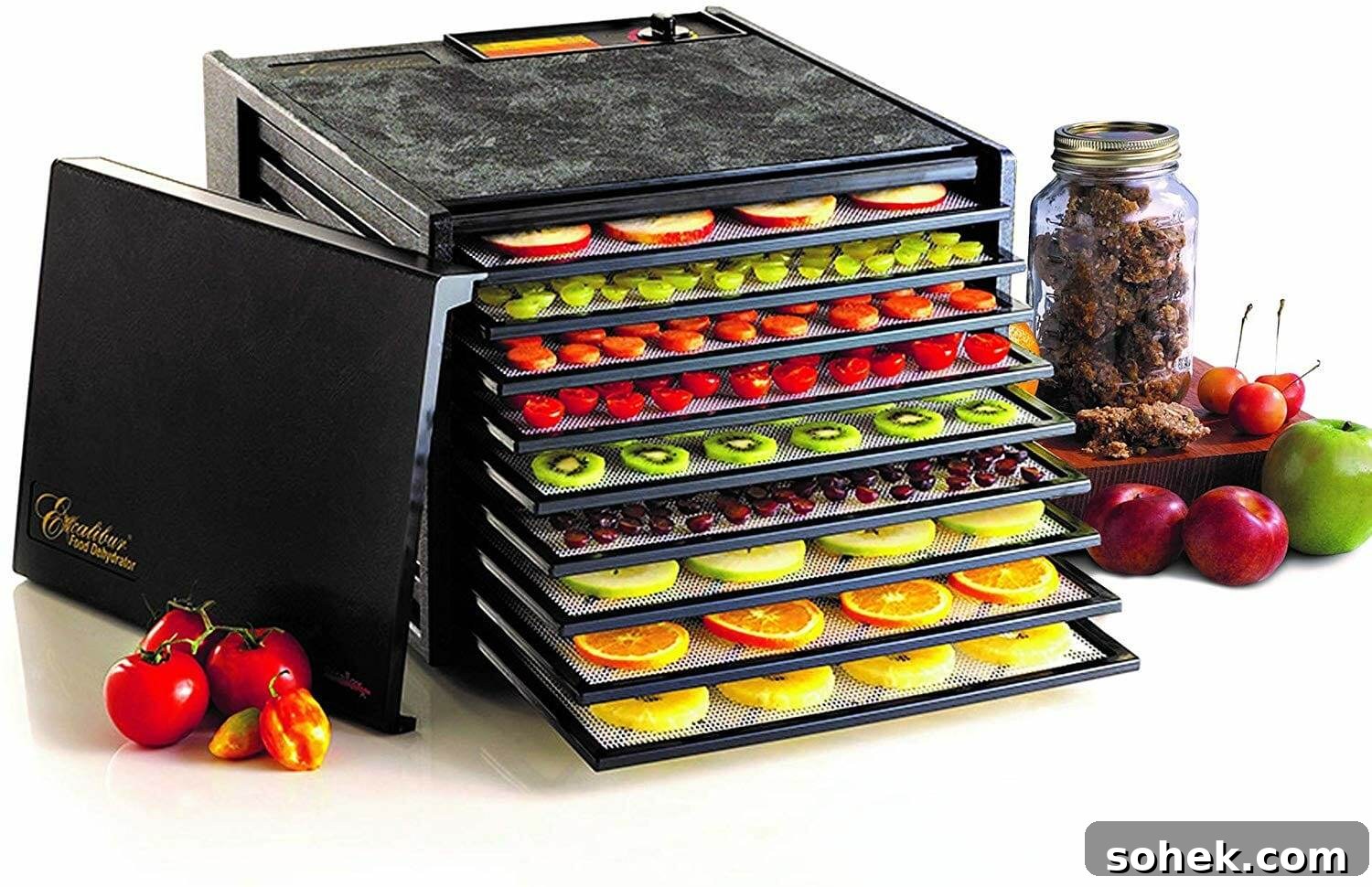
After more than twelve years of regular use, I want to share why I prefer my Excalibur 3900 — a nine-tray unit offering about 15 square feet of drying area and 600W of power. While that particular model isn’t always available through every retailer, Excalibur continues to offer a range of similar machines.
Why the Excalibur Is My Favorite Dehydrator
My first dehydrator was a small round unit, and I learned quickly that you get what you pay for. That round model worked eventually, but it was slow, produced uneven results, and required frequent tray rotation — which made the process more of a chore than a pleasure.
I’ve also dried foods in my oven. Oven dehydration can work for small batches, but it ties up the oven for many hours and isn’t practical for larger quantities. I wanted a machine that made drying easy, reliable, and scalable.
Buying the Excalibur was an investment, but it has been worth every penny. Over more than a decade it has handled countless batches of fruit, herbs, vegetables, fruit leather, snack bars, jerky and camping meals. It still performs like new.

There are cheaper dehydrators that will eventually dry food, but an Excalibur makes the process faster, more even, and far less frustrating. Here are the features I appreciate most.
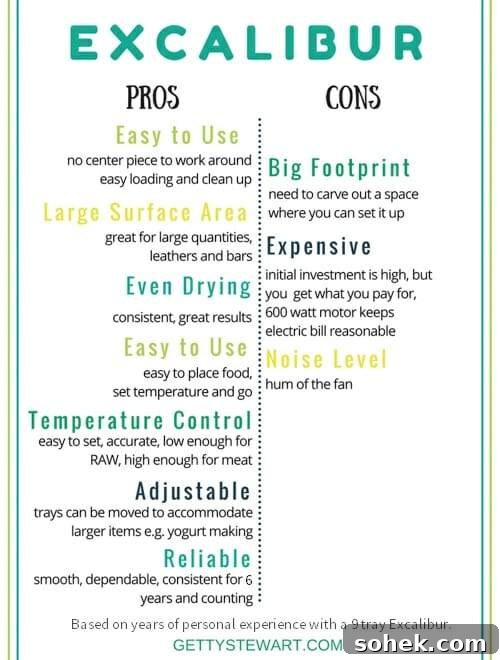
- Fan and airflow. The fan sits at the back of the unit and moves air horizontally across all trays for consistent airflow and even drying. That design eliminates the need to rotate trays and reduces the risk of some trays drying too fast while others remain damp.
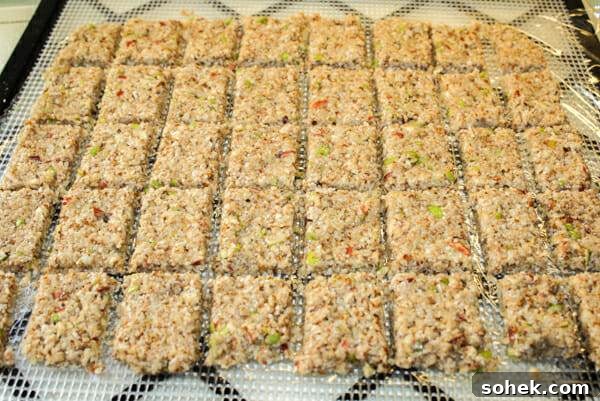
- Square trays. Square trays make spreading purees, fruit leathers, and batter-like mixtures simple and efficient. They’re much more convenient than round trays with a center hole when making bars, crackers or large sheets of fruit leather.
3. Temperature control. A thermostat is essential. Different foods require different drying temperatures for both quality and safety. For example, drying herbs at a low temperature preserves fragrance, while jerky and mixed-food batches need higher temperatures to be safe.
4. Durable construction. My Excalibur has endured heavy use and repeated washing without cracking or warping. The 3900 model comes with a long warranty, and the build quality shows in long-term reliability.
In short, cheaper models can work, but Excalibur stands out for consistent airflow, practical tray design, accurate temperature control, and long-lasting parts.
Should You Buy a High-End Dehydrator?
Yes — if:
- You plan to dehydrate regularly and want dependable results.
- You garden or hunt and want to preserve large quantities of produce or meat.
- You make trail food frequently and need lightweight, shelf-stable meals.
- You want to store significant amounts of food long-term.
- You follow a raw-food approach and need reliable low-temperature settings.
No — if:
- You expect to use it only once or twice a year.
- You don’t have a convenient place to set it up; a bulky unit left in storage tends to be forgotten. (The unit can live in a garage, basement or outdoor shelter if needed.)
Here are the main specifications for my Excalibur machine:
- 9 large trays, each approximately 15″ x 15″
- BPA-free plastic mesh screens
- Adjustable thermostat from about 105°F to 165°F (40°C to 65°C) — low enough for raw food, high enough for meat
- 7-inch fan, 600 watts
- Voltage: 110–120V
- Unit dimensions: approximately 12.5″ H x 17″ W x 19″ D
- Shipping weight around 22 lbs
- Made in USA
Other Models to Consider
Smaller units: If you don’t need a large machine, look at four-tray Excalibur models or other compact dehydrators. The most important feature to retain is temperature control.
Stainless steel options: If you prefer metal contact with food, Excalibur and other brands offer stainless-steel models or replacement stainless trays for some units.
Optional Additions — Not Necessary
I wouldn’t pay extra for these add-ons:
Timer: Dehydrating time varies widely depending on humidity, thickness, and batch variability. A built-in timer can only give a rough estimate; it won’t guarantee perfectly dried results. If a timer is included at no extra cost, fine — otherwise it’s not a must-have.
Viewing window or glass door: A window is not a reliable indicator of doneness. You still need to inspect and touch the food to assess dryness, and a window doesn’t replace that hands-on check.
Useful Accessories
Some helpful accessories that make drying easier:
ParaFlex sheets: Liners for trays that handle liquid or small items well. They work nicely with Excalibur trays and are handy for fruit leathers, purees and sticky mixtures.
Silicone liners are another option, though they tend to be pricier. Thin reusable liners that can be cut to size are convenient and perform similarly to ParaFlex sheets.
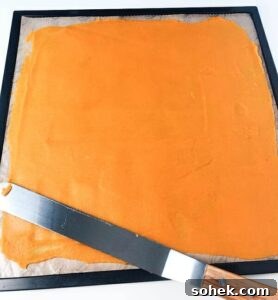
Offset spatula: Ideal for smoothing fruit leathers and evenly spreading batters; a long blade lets you level an entire tray in one pass.
Slicing tools: Evenly sliced fruit and vegetables dry more uniformly. A mandoline or a dedicated slicer helps if you don’t have precise knife skills.
Those are my practical thoughts and experiences with dehydrators. I rarely endorse products, but I’ve used and relied on this machine for years. I do not receive payment from the manufacturer.
Once you have a dehydrator, check out the many dehydrating recipes available here to get started.
Cook with the seasons, effortlessly! I’m Getty, a food educator and Professional Home Economist, helping you select, store, and serve seasonal ingredients in delicious, simple meals. Sign up for seasonal tips and recipes and explore my books, guides and video content for more.