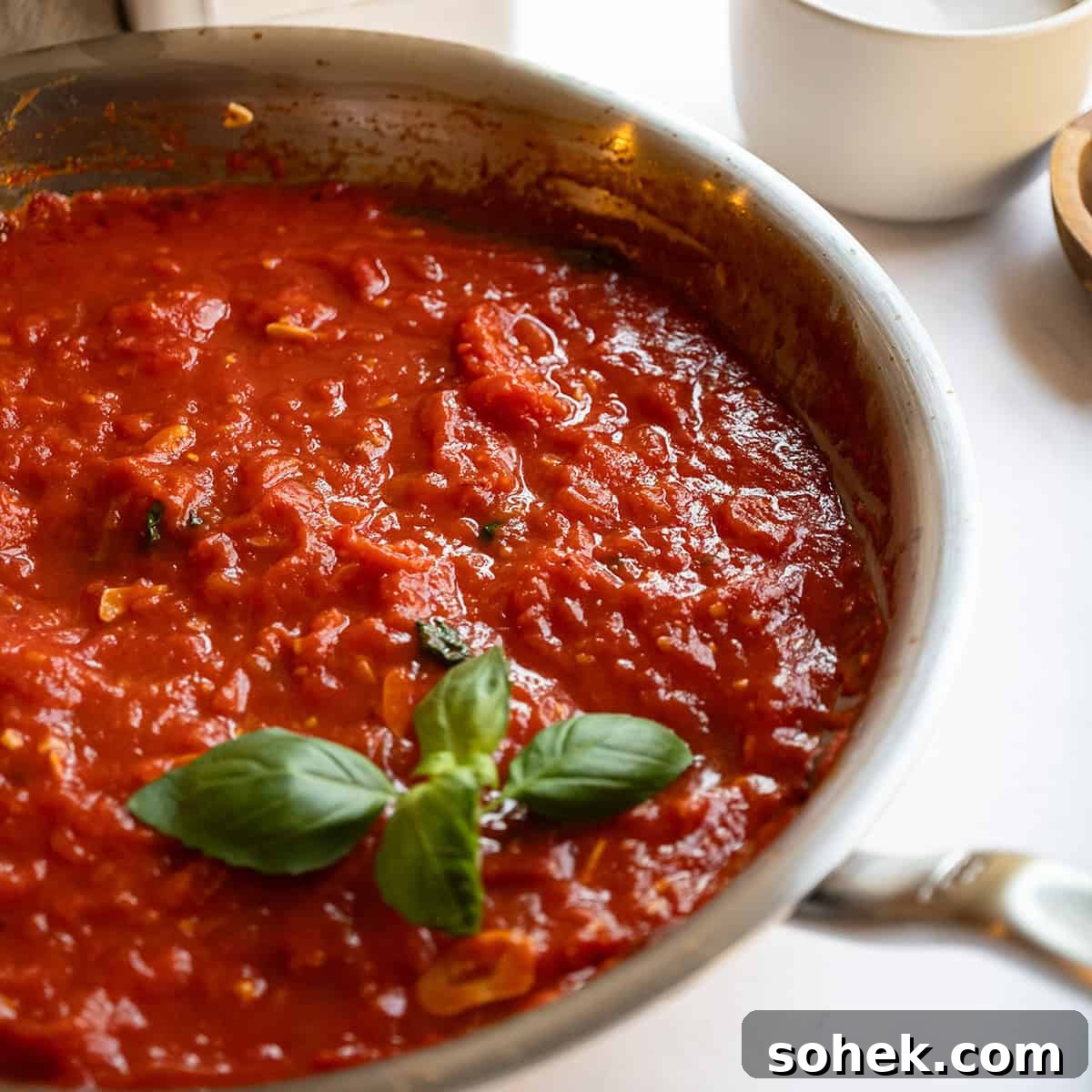
I could simply share my “Best” Marinara Sauce recipe, but I believe it’s important to understand why each step matters. This classic Italian sauce uses a few simple ingredients and straightforward techniques. Knowing how and why everything is done will help you make a brighter, more balanced marinara every time.
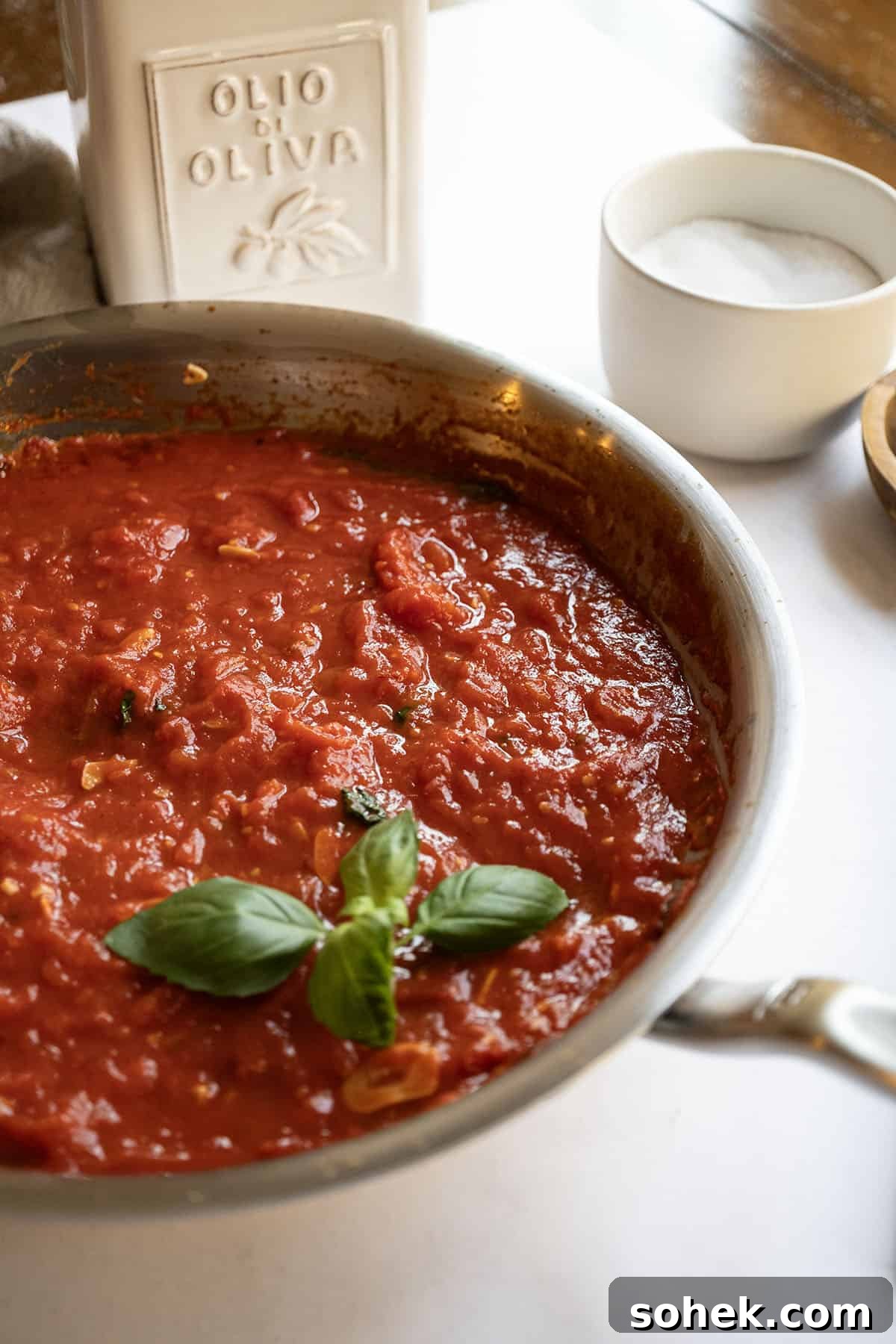
If you enjoy Italian sauces, you may also like other seasonal or pantry-friendly sauces. Marinara is versatile: use it as a dipping sauce, toss with pasta, spoon it over polenta, spread it on a sandwich, or use it as the base for longer-simmered meat sauces.
What is Marinara Sauce?
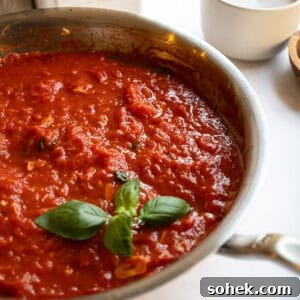
Marinara is a quick, meatless tomato sauce that usually cooks in under 30 minutes. It relies on a handful of ingredients—tomatoes, olive oil, garlic, basil, salt, and a touch of heat—and is the foundation for many other Italian sauces. Because it cooks briefly, marinara keeps bright tomato and herb flavors that make it ideal for many everyday dishes.
This sauce is a kitchen staple because it’s fast, flexible, and forgiving. It brightens simple pasta dishes and elevates sandwiches, chicken or eggplant preparations, and fried or baked meatballs. Though tomatoes reached Italy only after contacts with the Americas, the marinara style emerged where fresh tomato flavor combined with local herbs and olive oil to create a signature, vibrant sauce.
Below is a clear, step-by-step guide that explains the role of each ingredient and technique so you can replicate the results and adapt the sauce confidently.
Ingredient Notes and Substitutions
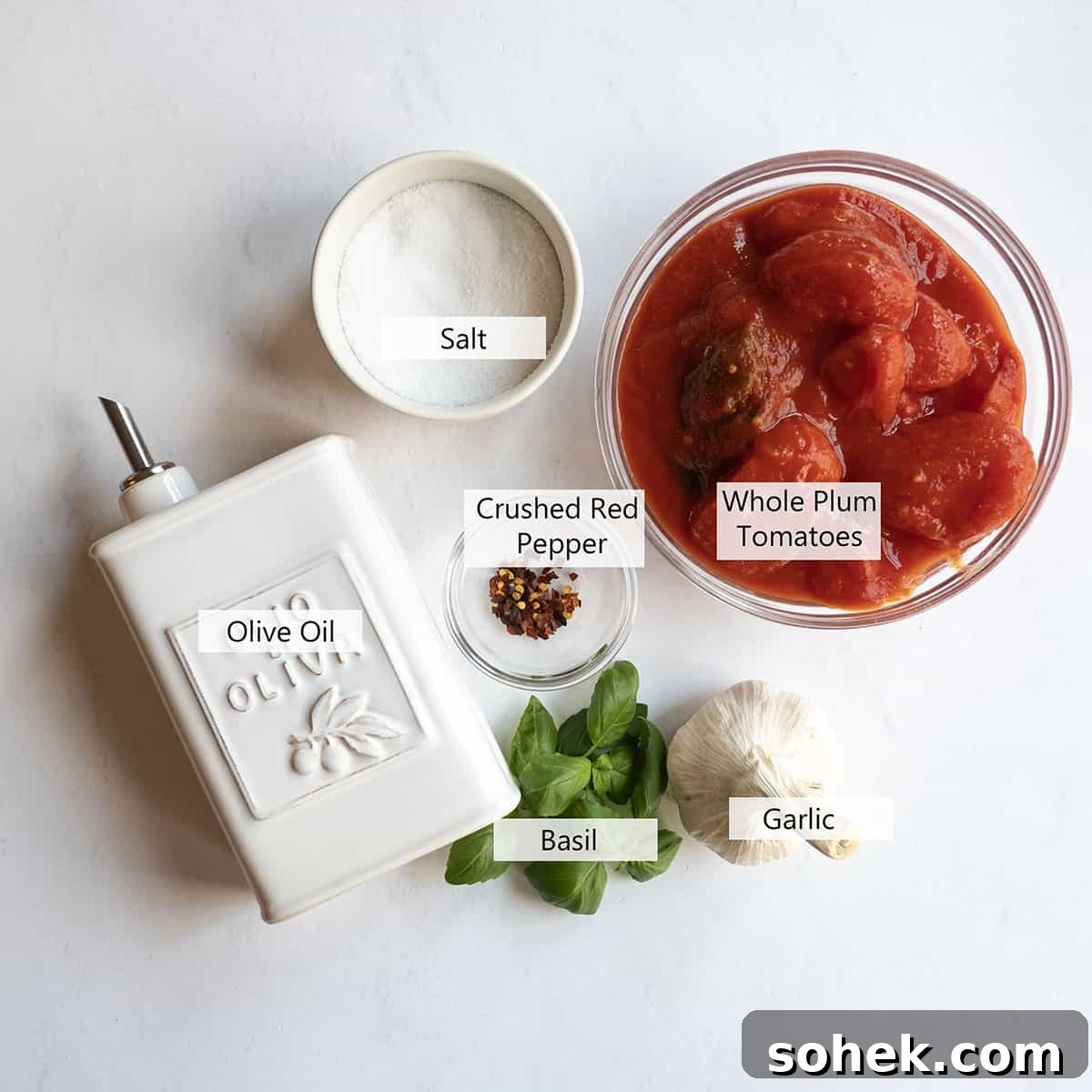
- Whole plum tomatoes. Use whole plum tomatoes from a good-quality can. San Marzano-style plum tomatoes are excellent, but other reputable brands work well. I prefer whole tomatoes broken down in the pan rather than starting with crushed tomatoes; the result has a bit more texture and a lighter body.
- Basil. Fresh basil is best. Add it at the end of cooking so its bright, aromatic notes remain lively; prolonged heat dulls basil’s delicate flavor.
- Garlic. Use fresh garlic cloves, sliced thinly and evenly. Do not use pre-minced jarred garlic: freshly sliced cloves deliver the clean, bright garlic flavor essential to classic marinara. Slice just before cooking to preserve that fresh character.
- Olive oil. Use a high-quality extra-virgin olive oil. A single-varietal oil or a bottle you enjoy on its own will add a pleasant fruitiness and mouthfeel to the finished sauce.
- Salt. Season in stages, tasting as you go. Salt enhances tomato flavor and balances acidity, but you should adjust to taste.
- Crushed red pepper. A pinch of crushed red pepper added while sautéing the garlic gives the sauce a subtle lift. If you prefer more heat, a hotter chili paste or chopped Calabrian peppers can be used, but for a classic marinara keep the spice restrained so it complements rather than overwhelms.
See the recipe card below for exact quantities and timings.
How to Make Marinara Sauce
Marinara is the kind of recipe you should be able to make from memory. It requires minimal prep and turns pantry staples into a quick, satisfying meal. Keep a jar or two of canned whole tomatoes in your pantry and you can have a homemade sauce in about thirty minutes whenever you need one.
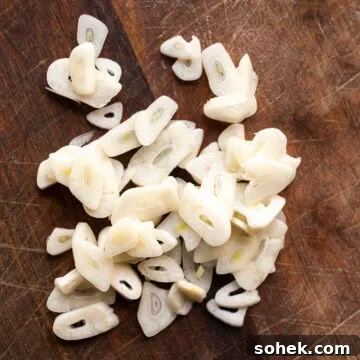
Step 1: Slice garlic thin and evenly. Uniform slices cook at the same rate and are less likely to burn than irregular pieces.
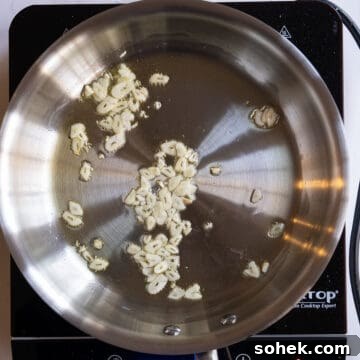
Step 2: Warm olive oil in a pan over medium heat. Once the oil is hot, add the sliced garlic and sauté for about one minute to infuse the oil and soften the garlic without browning.
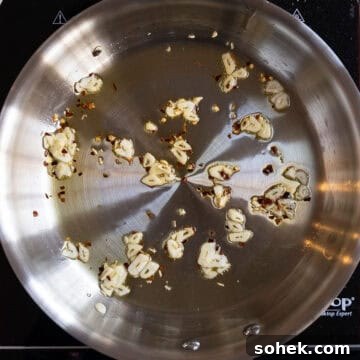
Step 3: Add crushed red pepper and stir for another minute so the chili gently releases flavor into the oil.
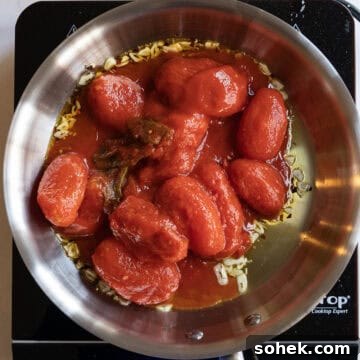
Step 4: Pour in the whole plum tomatoes. Use a wooden spoon to break them up lightly. Add salt and bring the mixture to a gentle simmer.
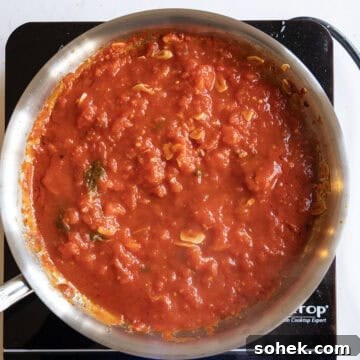
Step 5: Let the sauce simmer for about 30 minutes, stirring occasionally. Use the wooden spoon to help break down the tomatoes as they soften; the heat will do most of the work so avoid over-agitating the sauce.
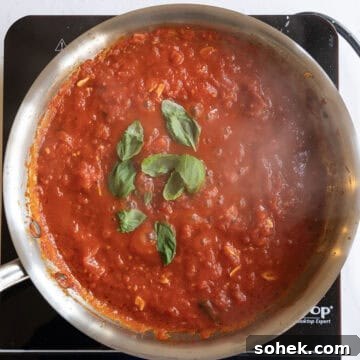
Step 6: Tear or add whole basil leaves during the final five minutes of simmering. Remove the sauce from the heat and serve immediately with pasta, polenta, eggplant, meatballs, or chicken dishes.
Mastering a basic marinara gives you a foundation for many Italian-inspired recipes: use it as the building block for creamier sauces, meat sauces, or baked dishes. With practice, you will learn how to balance acidity, salt, and herb notes to suit your taste.
Pro-Tips
- Slice garlic evenly. Even slices cook uniformly, reducing the risk of bitter, burnt pieces.
- Use only a small amount of crushed red pepper for subtle presence rather than overt heat.
- Break the tomatoes gently with the back of the wooden spoon. The simmering heat will finish the job; you don’t need to pulverize them at first.
- Add basil at the end. Basil loses its vibrancy when exposed to long cooking; add it in the final minutes or just before serving.
- Salt as you go. Taste and adjust during cooking. About ½ teaspoon is a good starting point, but seasoning will vary with your tomatoes and personal preference.
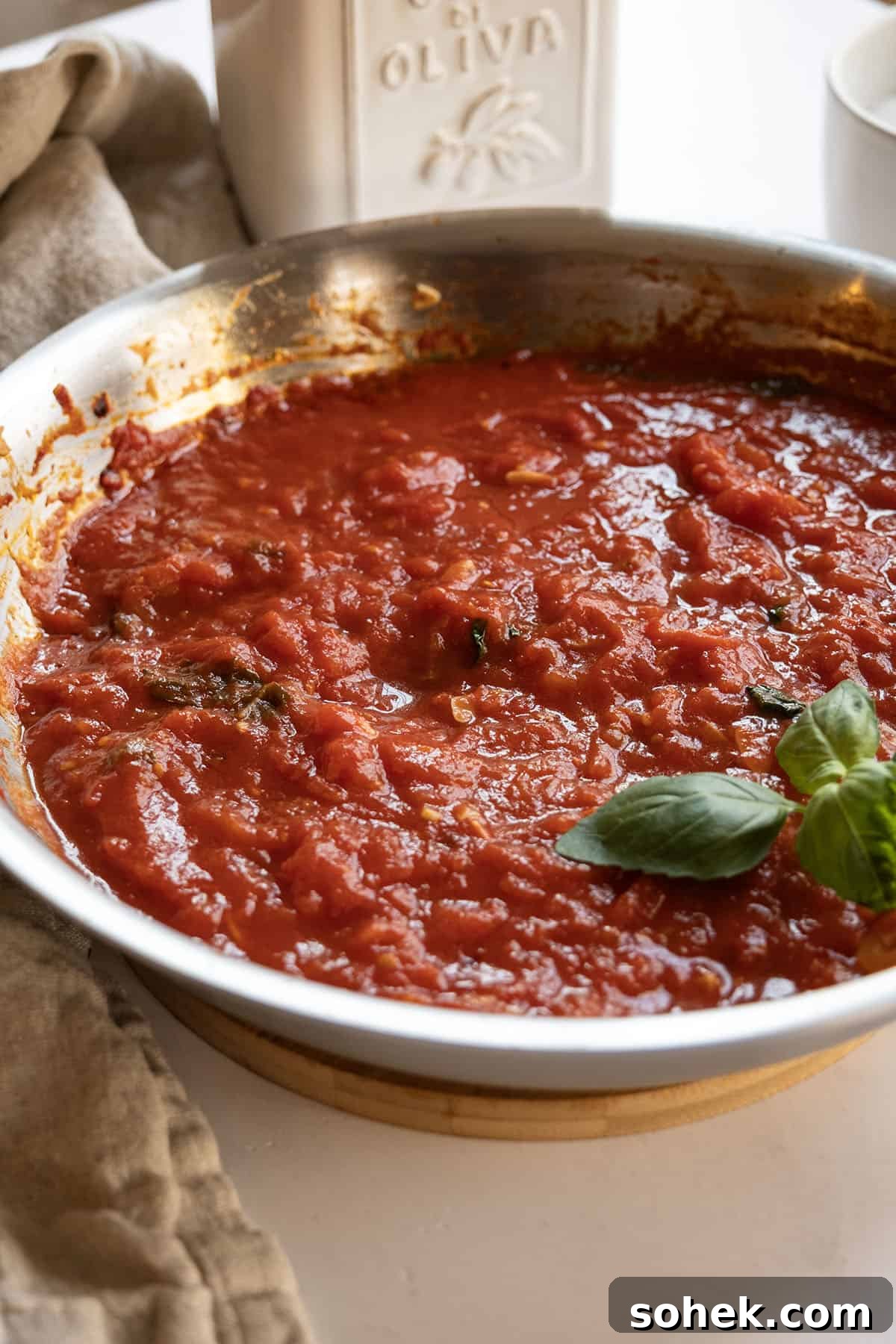
What to Serve with Marinara Sauce
Marinara pairs well with a wide variety of foods. Here are popular ways to enjoy it:
- Chicken. Spoon marinara over breaded or roasted chicken cutlets, or use it in stuffed chicken dishes.
- Pork. Use it with sausages and peppers, or as a topping for pork cutlets and sandwiches with fresh mozzarella.
- Beef. Marinara is an ideal partner for meatballs—baked or fried—and can be used in meat-filled pasta dishes.
- Pasta. Toss the sauce with any pasta shape and finish with grated cheese for a quick, satisfying meal.
- Vegetables and appetizers. Serve marinara as a dip for fried or roasted vegetable bites, or alongside vegetable fritters for a flavorful contrast.
Recipe FAQs
Traditional quick marinara does not include onion. The sauce relies on the delicate balance of garlic, basil, olive oil, and tomato. If you prefer a faster, sweeter base you can add finely chopped onion, but it will change the classic flavor profile.
“Spaghetti sauce” is a generic term used by some to describe jarred or simple tomato sauces for pasta. Marinara is a specific, quickly cooked tomato sauce with bright flavors. It is a fresh-style sauce made in about 30 minutes.
Sunday sauce (or ragù) typically simmers for hours and often includes braised meats, producing a deeper, more complex flavor. Marinara is lighter and more immediate, with fresher tomato and herb notes.
More Italian Sauces
-
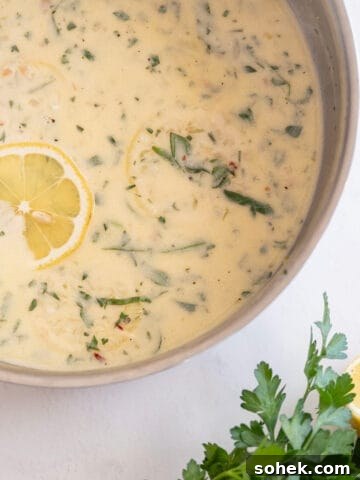
Creamy Lemon Sauce
-
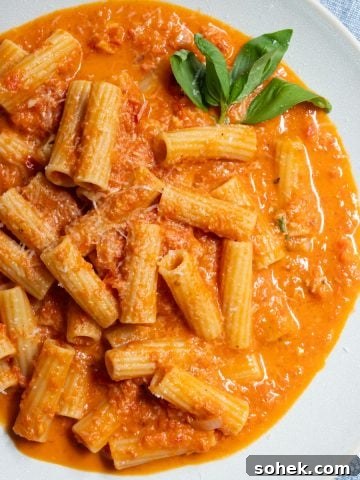
Creamy Red Pepper Sauce
-
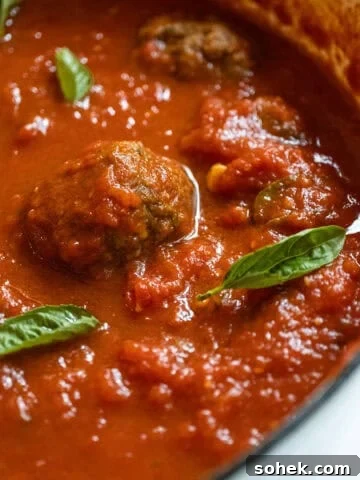
Authentic Italian Sunday Sauce
-
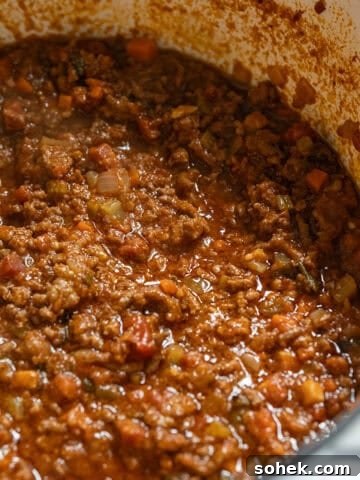
Authentic Bolognese
Please leave feedback and a rating in the recipe card below if you try the sauce. I appreciate hearing how the recipe worked for you.
The Best Marinara Sauce
Vincent DelGiudice
Equipment
- 1 large saucepan
Ingredients
- 1 (28 oz) can whole plum tomatoes
- 3 cloves garlic, sliced thin
- 2 tablespoons extra-virgin olive oil
- 5 basil leaves
- ½ teaspoon salt, or to taste
- ½ teaspoon crushed red pepper
Instructions
- Heat the olive oil in a large saucepan over medium heat. When the oil is hot, add the sliced garlic and cook, stirring, for about 1 minute. Add the crushed red pepper and stir for another minute to release the spice into the oil.
- Add the whole plum tomatoes to the pan. Use the back of a wooden spoon to break the tomatoes up lightly. Season with salt and bring the mixture to a gentle simmer.
- Simmer the sauce for about 30 minutes, stirring occasionally. As the tomatoes soften, continue to break them up with the spoon until the sauce reaches the desired texture.
- Tear or add the basil leaves in the last five minutes of cooking. Remove from heat and serve with your favorite pasta, polenta, meatballs, or roasted vegetables.
Notes
- Slice garlic evenly so it cooks uniformly and does not burn.
- Gently break the tomatoes with a wooden spoon; the simmering heat will continue to break them down for a pleasant texture.
- Add basil at the end to preserve its fresh aroma and flavor.
- Taste and salt the sauce during cooking. Start with about ½ teaspoon and adjust according to the tomatoes and your preference.
Nutrition
Carbohydrates: 15 g
Protein: 3 g
Fat: 8 g