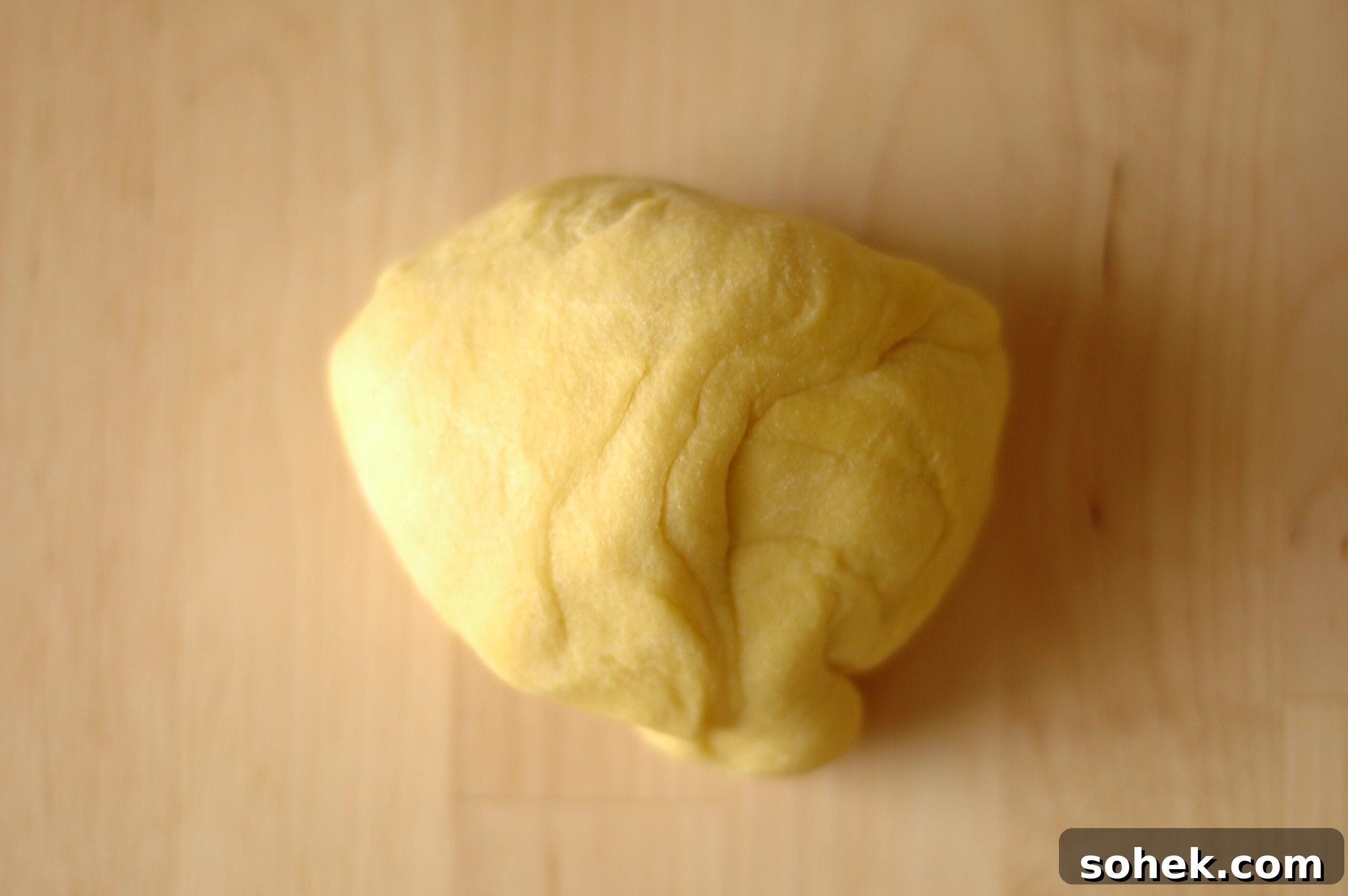
A simple, versatile homemade fresh pasta dough recipe that works beautifully for spaghetti, fettuccine, lasagna, ravioli, and more. This dough is rich, balanced, and easy to handle whether you roll it by hand or use a pasta machine.
I have a confession: I’m a pasta lover. My enthusiasm for pasta began with my late grandfather, William, whose homemade dishes left a lasting impression. His simple approach—making pasta from scratch and rolling it by hand—sparked my lifelong interest in fresh pasta. Once you taste fresh pasta made with real yolks, olive oil, and a touch of white wine, it’s hard not to be hooked.
Grandpa William believed in cooking with love and making things from scratch when possible. For many years I followed his method and rolled pasta by hand. It yields beautiful results but can be labor-intensive: forming the dough, kneading until silky, and achieving the ideal thinness by rolling takes time and effort.
In recent years I started using a pasta machine, which speeds up the process and makes it easier to achieve uniform thickness. A machine is especially helpful if you plan to make pasta regularly or in larger quantities. That said, technique still matters: the dough’s texture and hydration determine how easily it feeds through rollers and cutters.

About pasta machines
A pasta machine can transform the preparation process. It reduces the physical effort needed to roll dough very thin and provides consistent results for noodles and sheets. When shopping, look for a sturdy construction and simple, reliable controls. Keep in mind that dough dusted with flour or made from coarser flours can still stick to rollers, so handle sticky dough carefully and dust rollers lightly as needed.
Whether you use a machine or a rolling pin, practice and small adjustments—flour ratios, resting time, and gluten development—make a big difference. Use the pull test and tactile cues to judge when the dough has the right elasticity.
Rolling fresh pasta dough by hand
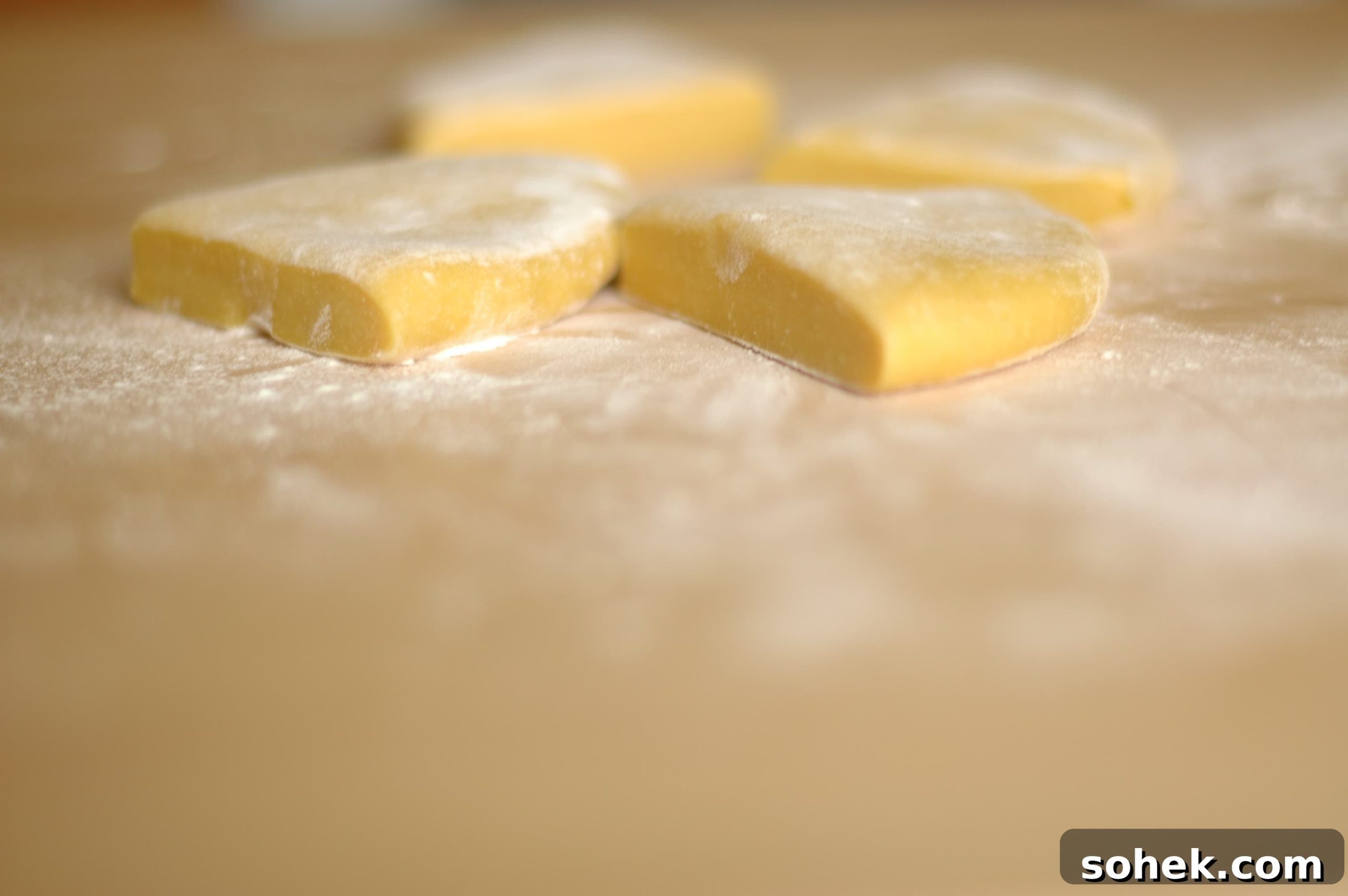
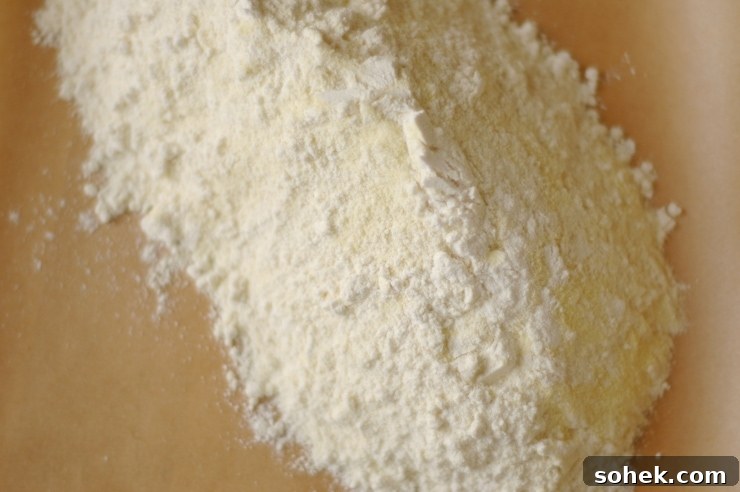
If you choose to roll pasta by hand, pay attention to the flour you use. Pure semolina creates a robust, high-gluten dough that can be difficult to roll with a pin and may be sticky. Blending semolina with all-purpose flour yields a dough that is strong yet manageable. Semolina adds texture and a pleasant bite; all-purpose flour brings tenderness and makes kneading easier.
Work on a lightly floured surface, keep your hands and utensils floured as needed, and let the dough rest before rolling. Resting relaxes the gluten and makes the dough easier to roll thin without springing back.
Ingredients for homemade fresh pasta
- Flour: a mix of all-purpose and semolina flour creates the best balance of strength and tenderness.
- Eggs: a rich dough uses multiple yolks plus one whole egg to add flavor, color, and pliability.
- Olive oil: a small amount of good-quality olive oil contributes flavor and a silkier texture.
- Milk or dry white wine: one tablespoon adds moisture and subtle flavor; white wine (such as a neutral Pinot Grigio) gives a pleasant lift if you prefer it to milk.
- Extra all-purpose flour for dusting and kneading as needed.
How to make fresh pasta dough
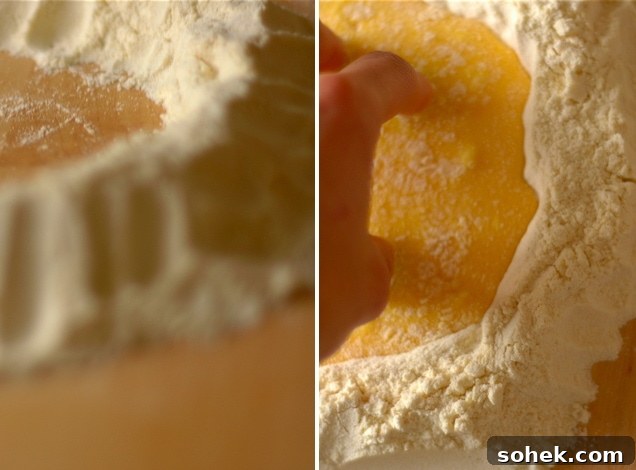
This recipe adapts a classic technique to combine semolina and all-purpose flour for a flavorful dough with reliable elasticity. The method begins by forming a well of flour on a work surface, adding the yolks, egg, oil, and milk or wine, and gradually incorporating the flour into the center. Work slowly so the mixture emulsifies and avoids lumps.
Once the dough begins to come together, use a pastry scraper to fold remaining flour into the shaggy mass. Knead the dough using the heel of your hand in a forward motion until it becomes silky and elastic. The dough should pass a gentle pull test, where it stretches and snaps back when you pull a small piece. Kneading typically takes 10–15 minutes; an extra few minutes ensures proper gluten development.
Wrap the dough tightly and let it rest for at least 30 minutes and up to one hour before rolling. Resting prevents drying and makes the dough easier to work with. The dough can be made a day ahead, refrigerated, and brought back to room temperature before rolling and shaping.
Other Recipes You Will Love
- Roasted Tomato Sauce
- Chocolate Peanut Butter Swiss Roll
- Twice Baked Cheese & Chive Potatoes
- How to Freeze Cookie Dough
Pasta Dough Recipe
Making pasta dough is straightforward: with good ingredients, patience, and a little practice you’ll get consistent, delicious results.
Ingredients
- 2/3 cup + 1 tablespoon (110 g) all-purpose flour
- 1/2 cup + 2 tablespoons (110 g) semolina flour
- 6 large egg yolks
- 1 large egg
- 1 1/2 teaspoons olive oil
- 1 tablespoon milk or dry white wine (Pinot Grigio suggested)
- Extra all-purpose flour for kneading
Instructions
- Mound the flours on a board and make a well in the center about 1 inch high around the edges, wide enough to hold the eggs.
- Pour the egg yolks, whole egg, oil, and milk or wine into the well. Break the eggs with your fingers and start stirring in a circular motion, gradually pulling in flour so the mixture emulsifies without becoming lumpy.
- Use a pastry scraper to fold additional flour into the thickening mixture until a shaggy dough forms.
- Bring the dough together, then knead by pressing forward with the heels of your hands. The dough should be moist but not sticky.
- Knead until the dough becomes smooth and elastic, about 10–15 minutes. The dough should pass a stretch-and-snap test.
- Double-wrap the dough and let it rest for 30 minutes to 1 hour before rolling. You can refrigerate it overnight; bring to room temperature before rolling.
Nutrition Information
Calories: 356
Total Fat: 12g
Protein: 18g