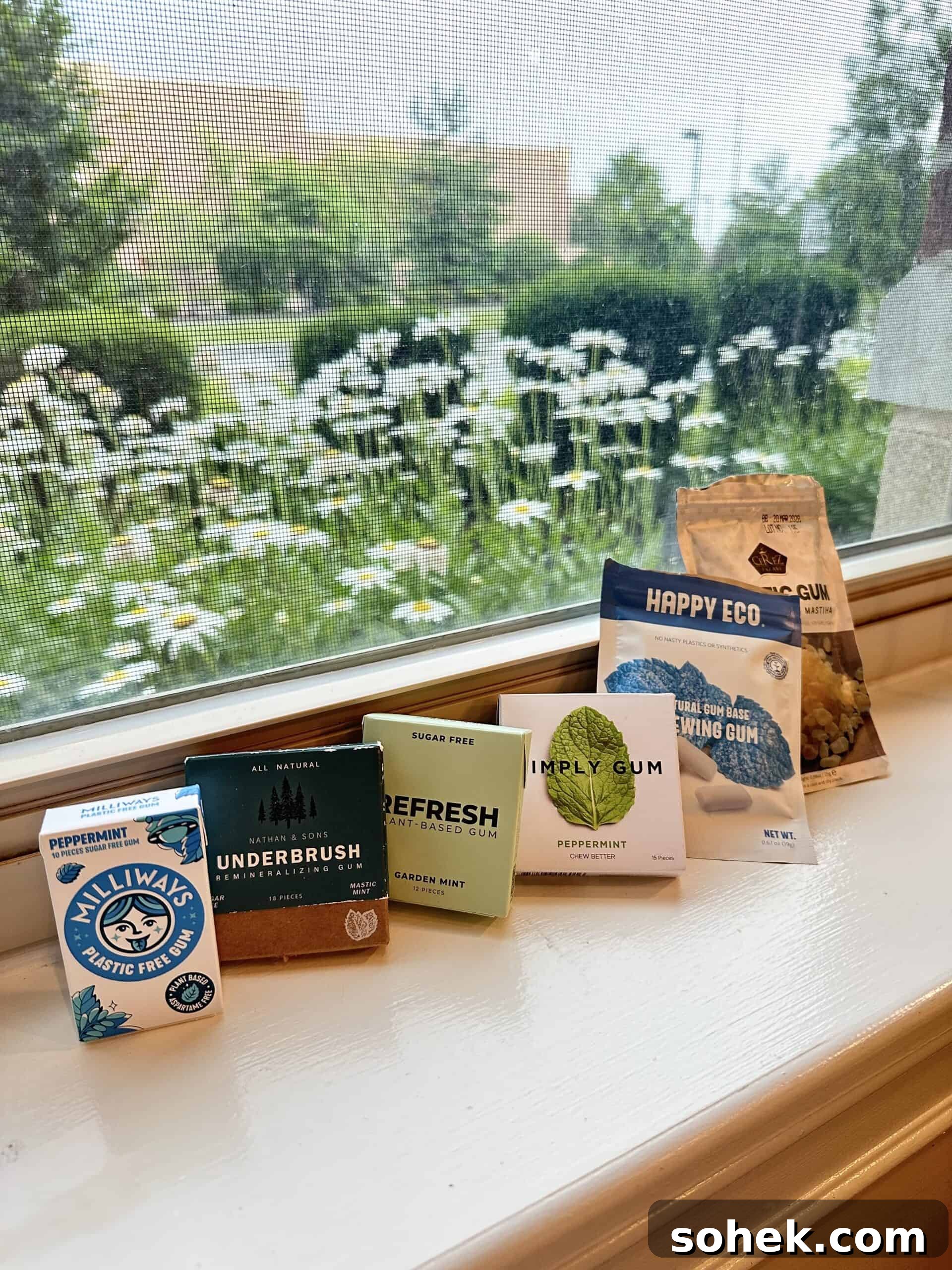
Yes — most commercial chewing gum contains plastic.
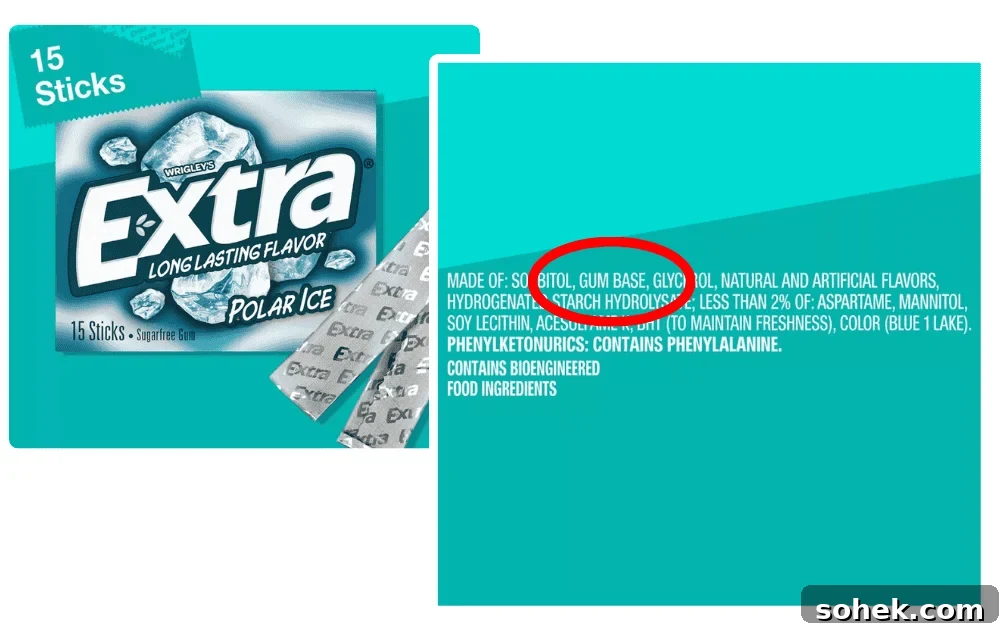
You usually won’t see it clearly on the ingredient list because manufacturers hide it in a vague ingredient called “gum base.”
Nobody wants to be chewing on plastic all day. To help, I bought and evaluated several brands that advertise as plastic-free or natural so you can choose cleaner gum without spending hours researching. Read the disclaimer and the notes below on natural chewing gum before you buy.
What this guide includes:
- Most Gum Contains Plastic
- A Single Piece of Gum Releases Hundreds of Microplastics
- What About Nanoplastics?
- A Big, Fat Disclaimer About Natural Chewing Gum
- Soooo… Should You Stop Chewing Gum Completely?
- How to Reduce Microplastic Exposure from Chewing Gum
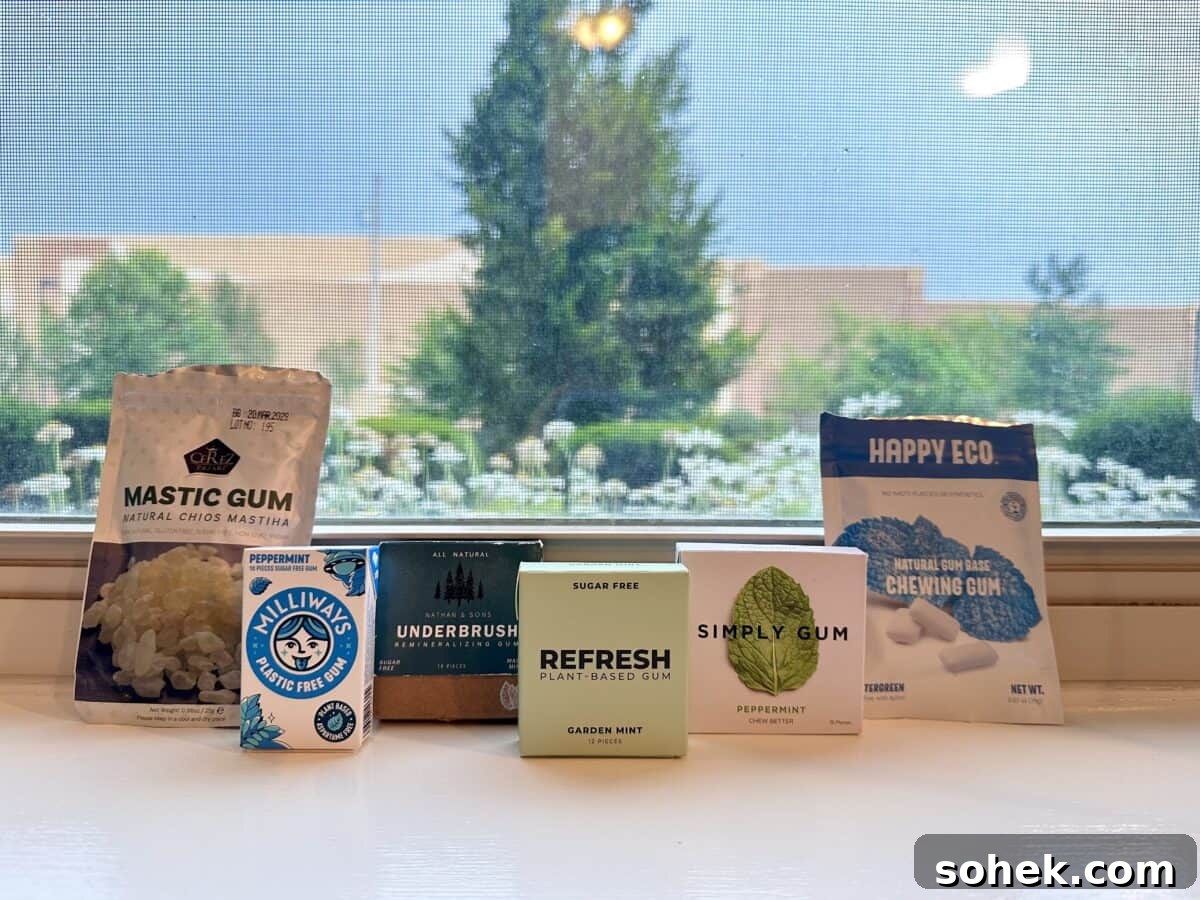
- My Reviews Of 8 “Plastic-Free” Gum Brands
- How I Did My Reviews
- Underbrush by Nathan & Sons
- Milliways
- Refresh
- Enamio
- Chewsy
- Simply Gum
- Happy Eco
- Cerez Pazari Mastic Gum
- Mystic Gum
- More Non-Toxic Gum Brands to Consider
- Join Thousands of Subscribers Reducing Toxic Chemicals
This guide includes product recommendations; I may receive compensation for some purchases. I only recommend products I would use myself.
Most Gum Contains Plastic
“Gum base” is an umbrella term on ingredient lists that can include many ingredients. In the United States, regulatory lists allow a range of substances to be used in gum base, and brands rarely disclose the exact components. That makes it difficult to know whether a given product contains chicle or petroleum-derived polymers such as polyvinyl acetate (PVA) or polyisobutylene.
Some brands combine natural resins like chicle with petroleum-derived polymers, waxes, softeners, plasticizers, stabilizers and antioxidants to achieve chewability and shelf stability. Because of that mix, many mainstream gums are, at least partly, plastic-based.
A Single Piece of Gum Releases Hundreds of Microplastics
A recent pilot study reported that chewing gum can shed hundreds of microplastic particles per gram into saliva. Given that a typical piece of gum weighs between 1.5 and 2.5 grams, a single piece could release roughly 900 to 1,500 microplastic particles while being chewed.
Microplastics have been detected in many parts of the human body and are associated with concerns for cardiovascular, respiratory, digestive and reproductive health, among other potential effects. The chemicals used to make plastics, such as phthalates or bisphenols, also carry their own health concerns.
What About Nano plastics?
That same research primarily detected particles of a size the instruments could measure — notably microplastics around 20 micrometers or larger. The researchers noted it is possible that even smaller nanoplastic particles are shed during chewing, but additional research and more sensitive methods are needed to quantify those smaller particles.
A Big, Fat Disclaimer About Natural Chewing Gum
Here’s the surprising part: in the study the researchers compared several “synthetic” gums and several marketed as “natural.” They expected natural gums to shed far fewer microplastics, but both groups released similar amounts and similar types of polymers into saliva based on their analysis.
That result raises important questions. The study did not identify which specific brands were tested or explain how natural products could release polymers typically associated with synthetic materials. There are several plausible explanations:
- Some products marketed as “natural” may still include a non-disclosed gum base that contains synthetic polymers.
- Contamination could occur during manufacturing from plastic equipment, packaging, or handling.
- Plant-derived ingredients themselves may already contain microplastics absorbed from polluted soil, water, or air during growth and processing.
Because the study did not publish full methodology or brand-level details at the time of reporting, more research and transparency are needed. Some natural gum makers have suggested that current testing methods can sometimes confuse natural polymers (for example, tree sap or natural rubber) with synthetic plastics because both are polymers at the molecular level. This distinction could affect interpretation of test results and underscores the need for standardized testing protocols.
I contacted many manufacturers about the study to get their perspective. A few responded and noted possible environmental contamination in supply chains and potential test limitations. One maker emphasized that truly natural gum will biodegrade and will not further fragment into microplastics the way synthetic gum will over time.
Soooo… Should You Stop Chewing Gum Completely?
That decision is personal. I don’t chew much gum, so for me it’s an easy habit to stop based on current evidence. If you rely on gum regularly and don’t want to quit, there are sensible ways to reduce your exposure to microplastics while still getting the benefits you want.
How to Reduce Microplastic Exposure from Chewing Gum
Practical steps to lower microplastic exposure from gum include:
- Chew fewer pieces, for longer. The study found most particle release happens early in chewing. Chewing one piece longer is likely to produce fewer total microplastic particles than chewing multiple fresh pieces in succession.
- Avoid products that only list “gum base” or “natural gum base” without disclosing components. Prefer brands that list specific ingredients such as chicle, mastic, gum arabic, or known natural waxes.
- Limit gum use for children. Children are more vulnerable to toxic exposures and may be less able to avoid accidental swallowing or overuse.
My Reviews Of 8 “Plastic-Free” Gum Brands
How I Did My Reviews
I researched many brands, ordered the options with the cleanest ingredient lists that ship to the U.S., and focused on products that rely on natural gum materials like chicle, mastic, gum arabic, and carnauba or candelilla wax. I generally tested mint flavors for consistency and chewed most pieces for at least an hour to evaluate flavor longevity, texture and overall experience.
Below are concise, user-focused reviews summarizing what I liked, what I did not, flavor impressions, texture, portability and notable ingredient details for each brand.
Underbrush by Nathan & Sons
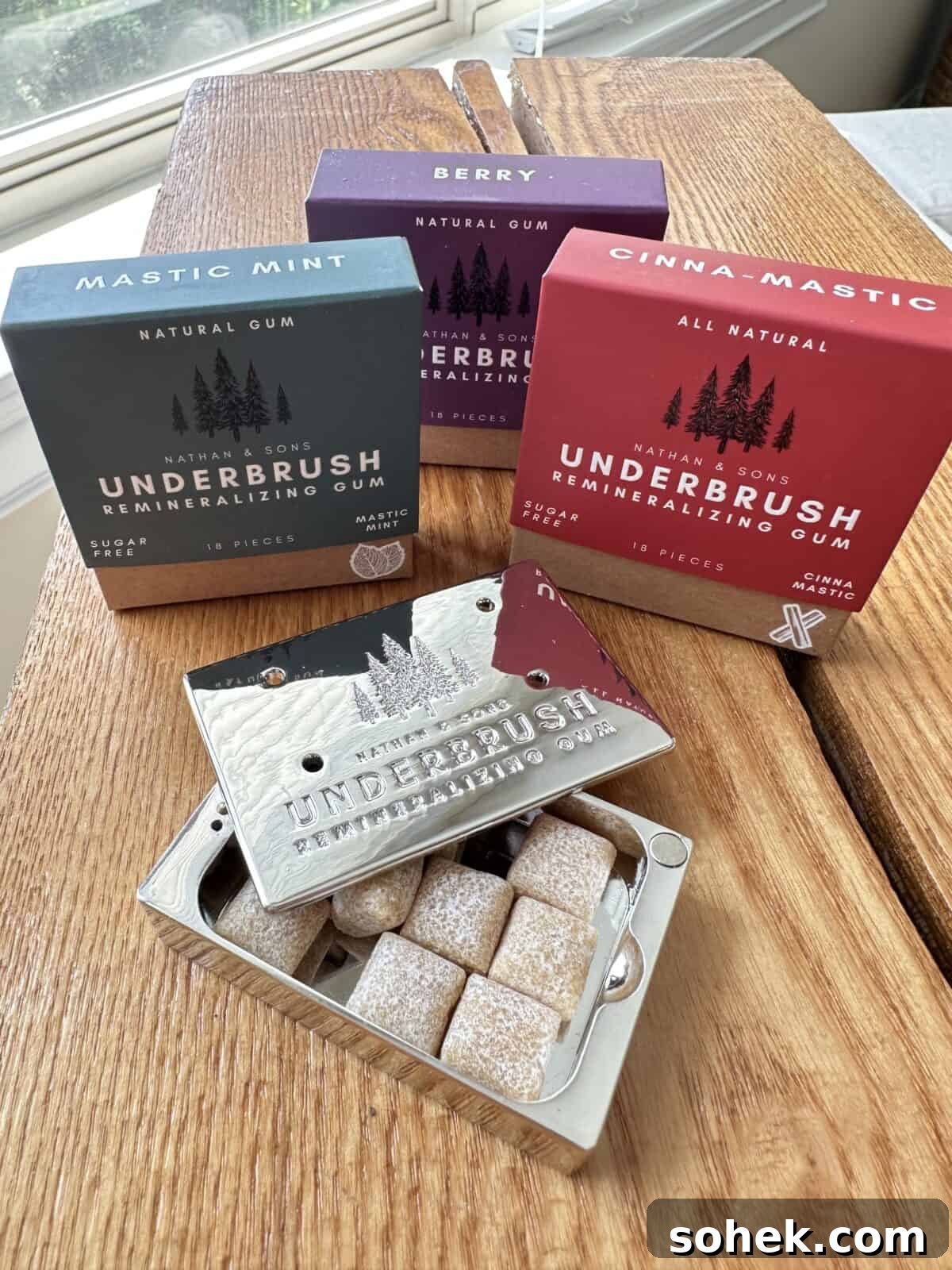
Underbrush is one of the most transparent brands I tested. They list many ingredients, use some organic inputs, and include nano-hydroxyapatite for remineralization rather than fluoride. Texture is firmer at first but softens with chewing, flavor lasts over an hour in my tests, and the product holds together well. Note: it is not vegan because it contains eggshell powder.
Milliways
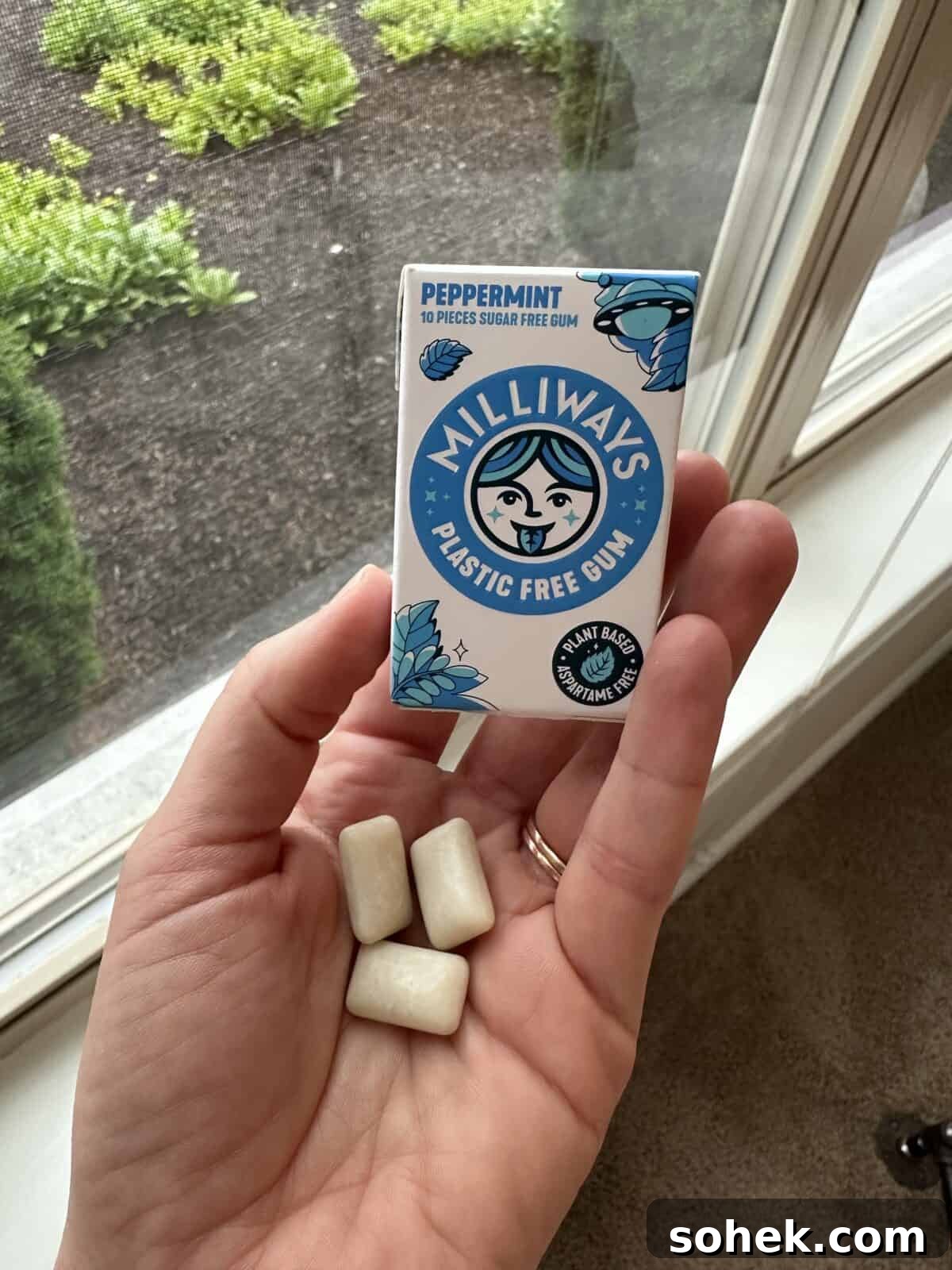
Milliways is vegan, sugar-free, and ships in plastic-free packaging. The package lists natural gum ingredients on its website, including gum arabic and chicle. The peppermint I tried was refreshing, and longevity was over an hour with a firm initial texture that softens quickly.
Refresh
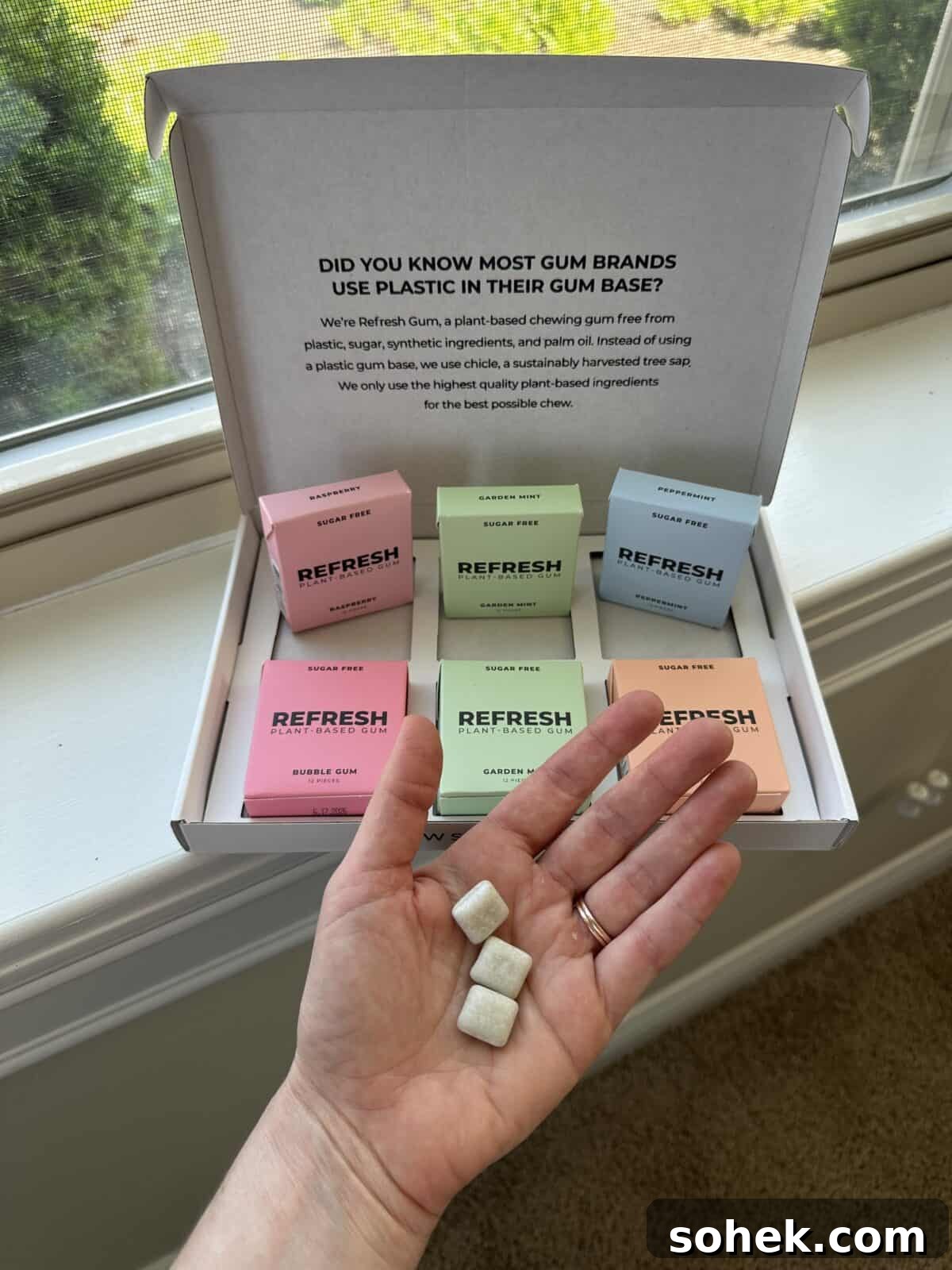
Refresh delivers the strongest mint punch of the brands I tried. It is sugar-free, vegan, and non-GMO verified, though it lists “natural flavors,” which is a nonspecific term. Texture is firm initially and softens within seconds; flavor lasts well over an hour.
Enamio
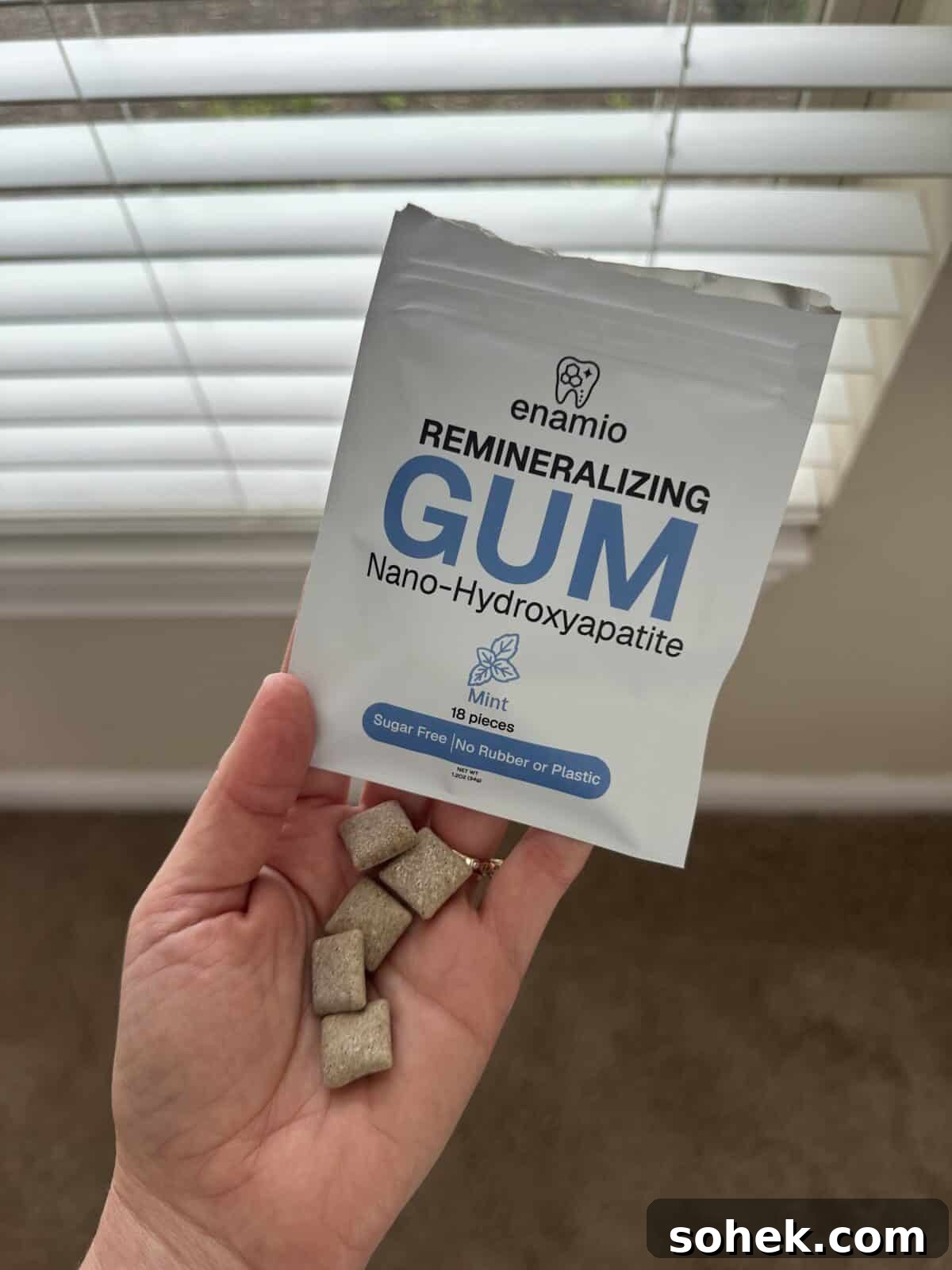
Enamio is another remineralizing gum that uses nano-hydroxyapatite and offers a strong mint. Packaging is plastic; texture is good and cohesive, likely aided by waxes such as candelilla, and flavor lasted longer than many competitors in my tests.
Chewsy
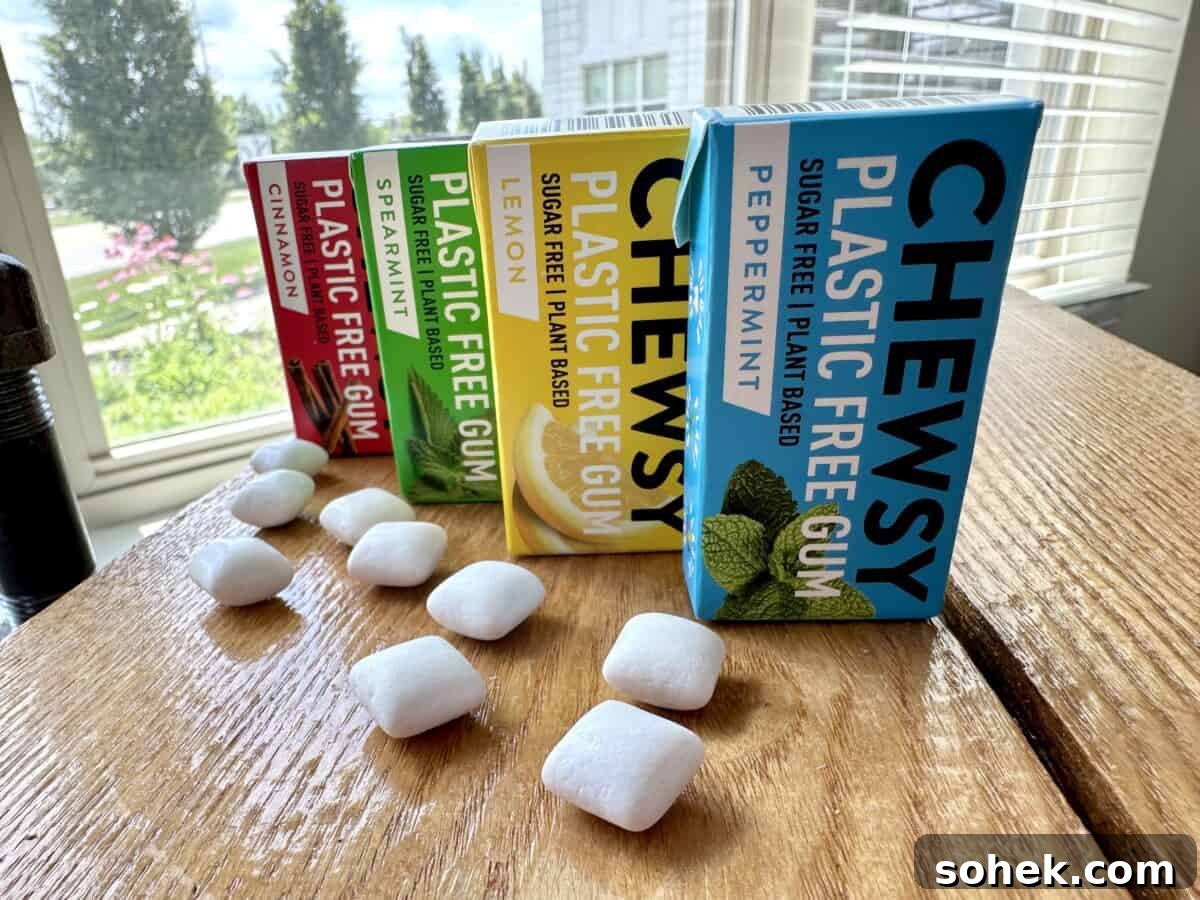
Chewsy is vegan and sugar-free, with a pleasant texture that softens quickly. Flavors I tried — peppermint, spearmint, cinnamon and lemon — were enjoyable, and peppermint held flavor for a longer time than expected. The brand does list “natural flavor,” which is nonspecific.
Simply Gum
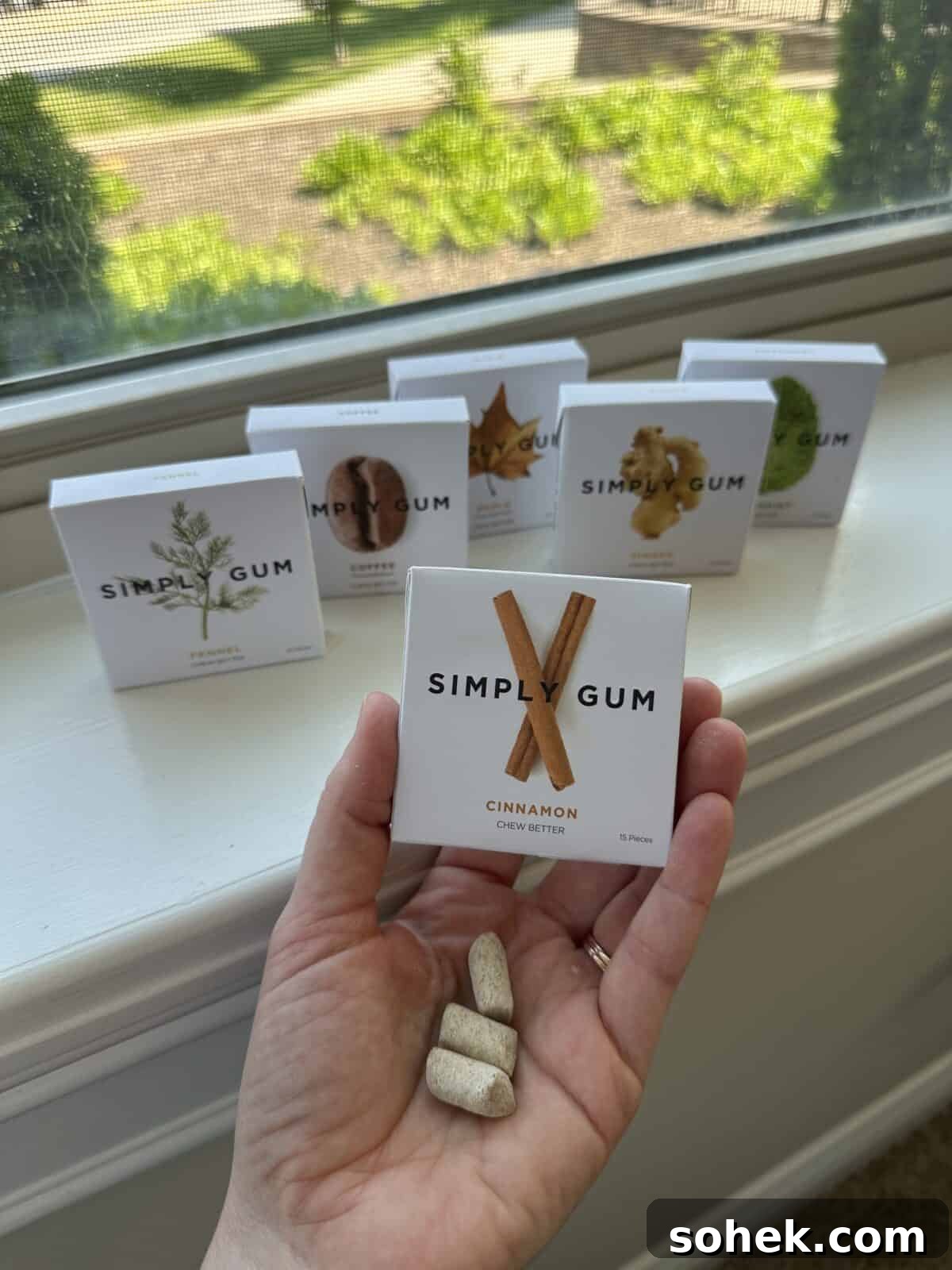
Simply Gum is an early leader in natural gum. They disclose ingredient details for many flavors and include post-chew wraps in the box. Taste and texture are more subtle and can be stickier and stringier than other brands, but the product is transparent about components such as chicle, candelilla wax and citric acid.
Happy Eco
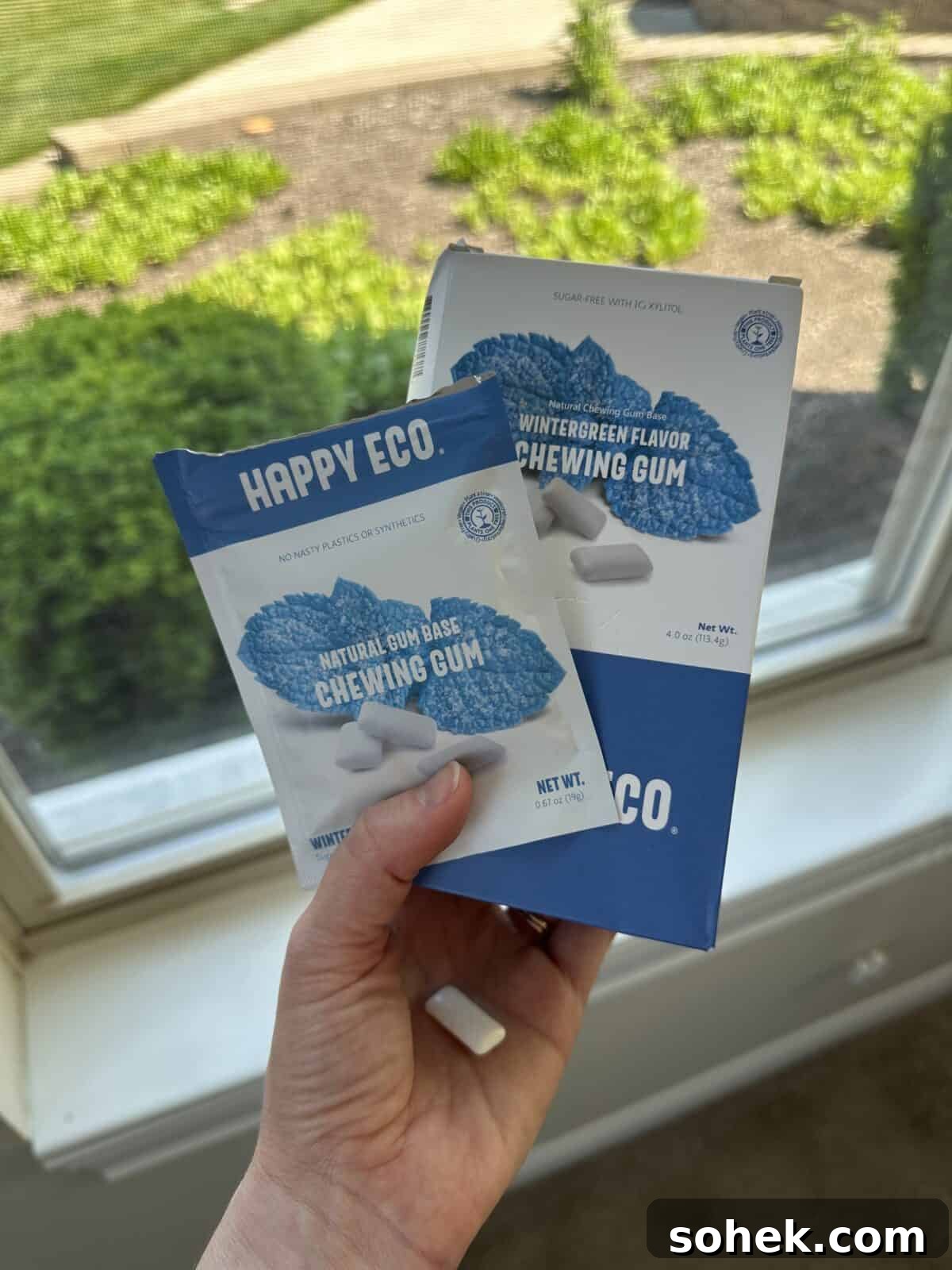
Happy Eco markets a budget-friendly, sugar-free gum that is free of many common allergens. The company lists a “natural gum base” without disclosing exact components, which raises transparency concerns for me despite its favorable price and packaging.
Cerez Pazari Mastic Gum
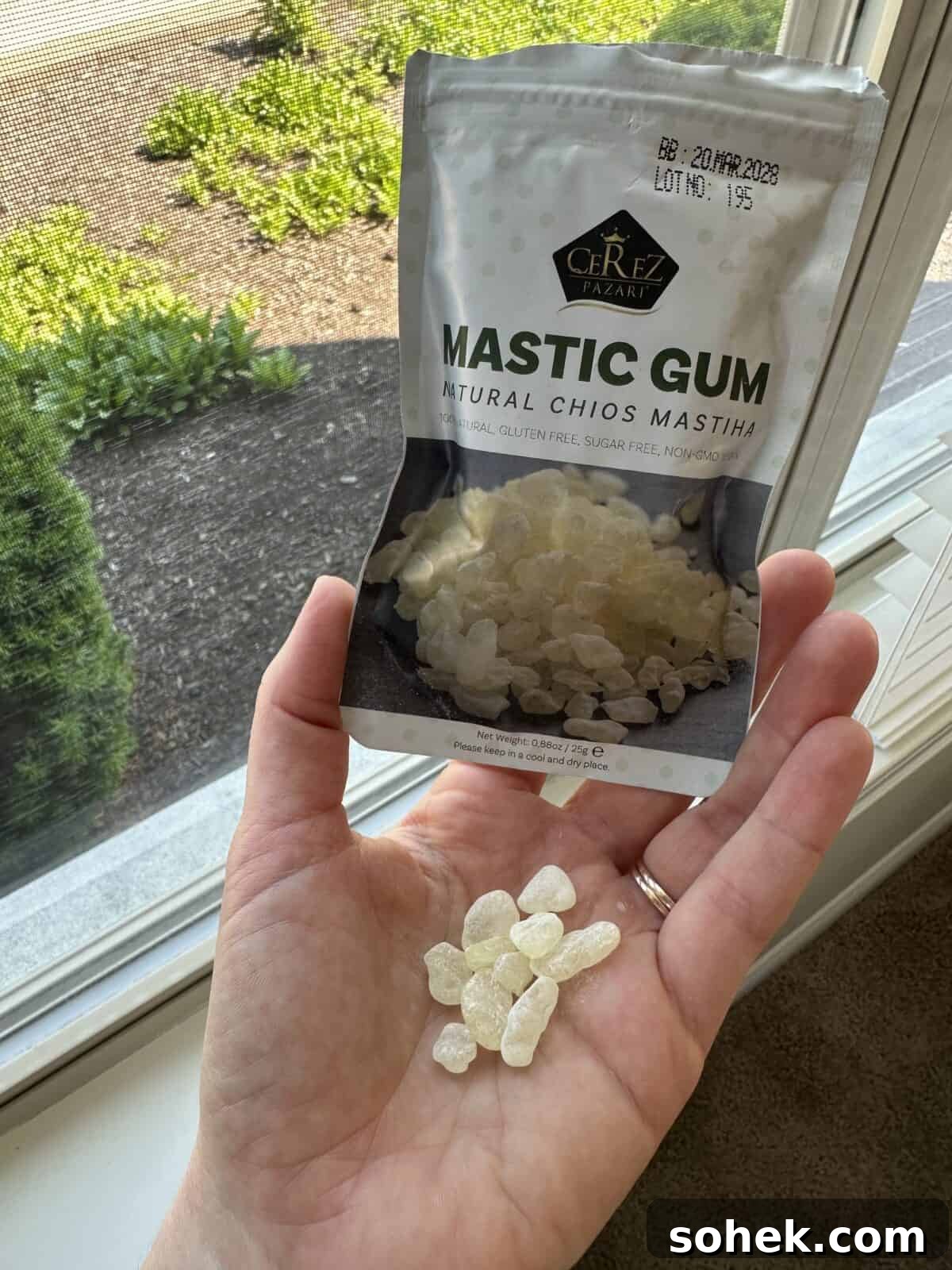
This product is pure mastic resin from Chios, Greece. It is unflavored, firm and much tougher than conventional gum; I did not enjoy the texture or taste. It can function as a jaw exerciser, but it is not similar to mainstream chewing gum in flavor or softness.
Mystic Gum
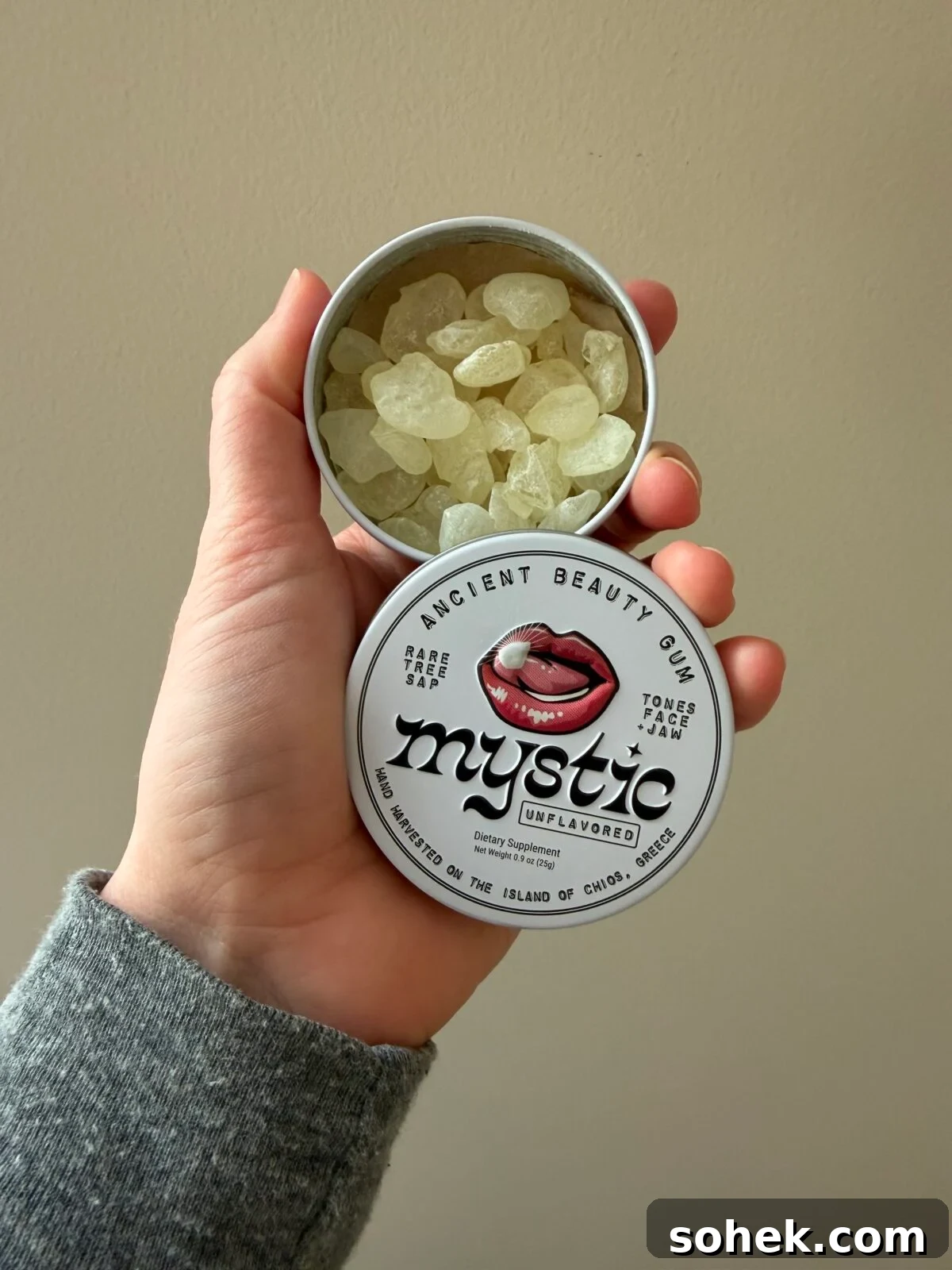
Mystic Gum is another straight mastic product. It comes in a durable tin and is plastic-free, but its hard, unflavored nature makes it a poor fit for anyone who wants an experience similar to traditional mint gum. It may appeal to those seeking minimal processing or a jaw-exercise product.
More Non-Toxic Gum Brands to Consider
- Chicza: A natural option produced in Central America, though availability varies by country.
- Georganics: Offers chewing gum in the UK with natural ingredients.
- Nuud: Another UK option; check ingredient lists for nonspecific terms like “natural flavor.”
Will the study change your gum habits? Have you tried any of these brands? Share your experience in comments or keep an eye out for further research and brand transparency updates.