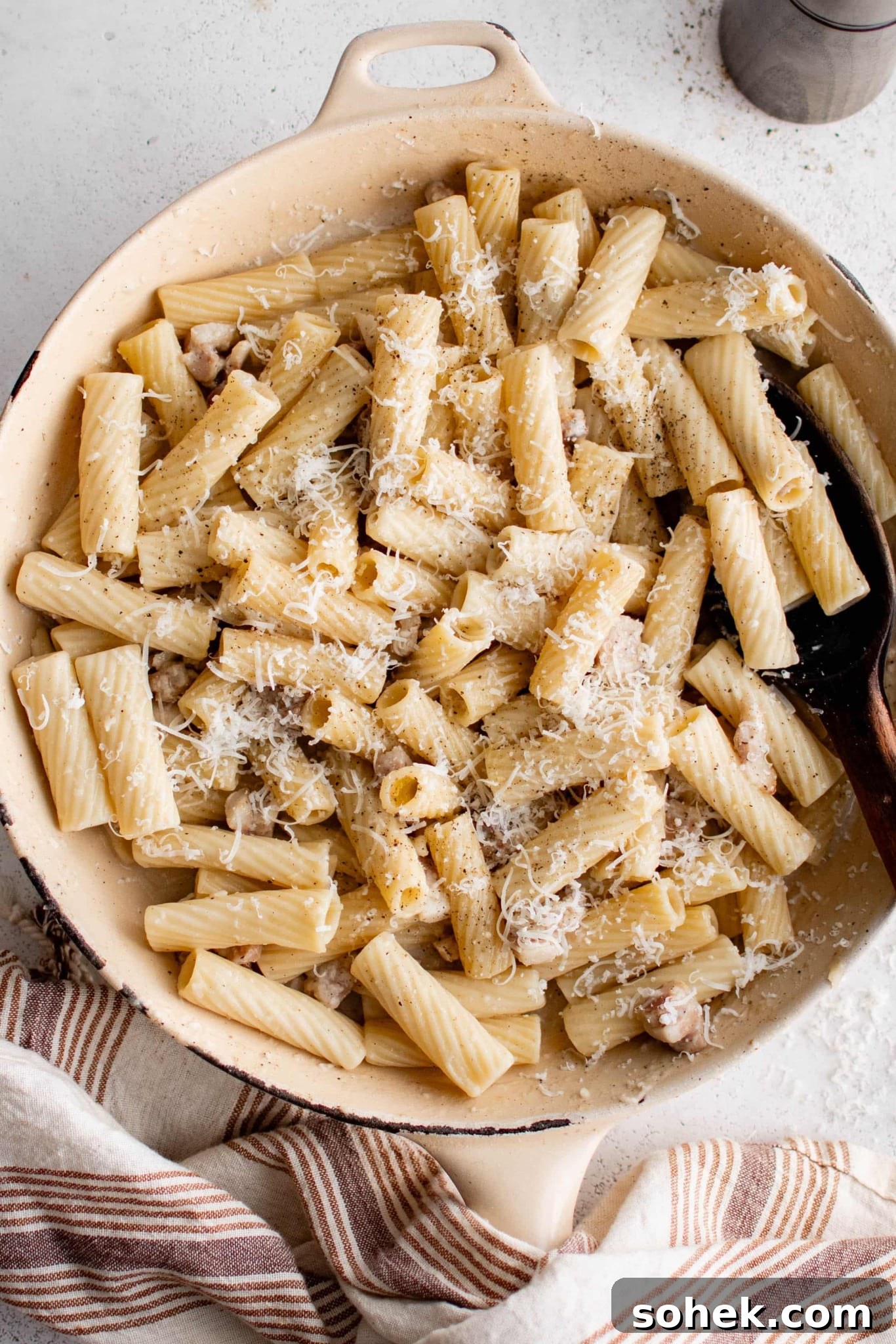
Pasta Alla Gricia is a classic Roman pasta made with just four simple, flavorful ingredients: pasta, guanciale (or pancetta), Pecorino Romano, and black pepper. Ready in about 20 minutes, it’s an easy, satisfying weeknight dinner that highlights high-quality components.
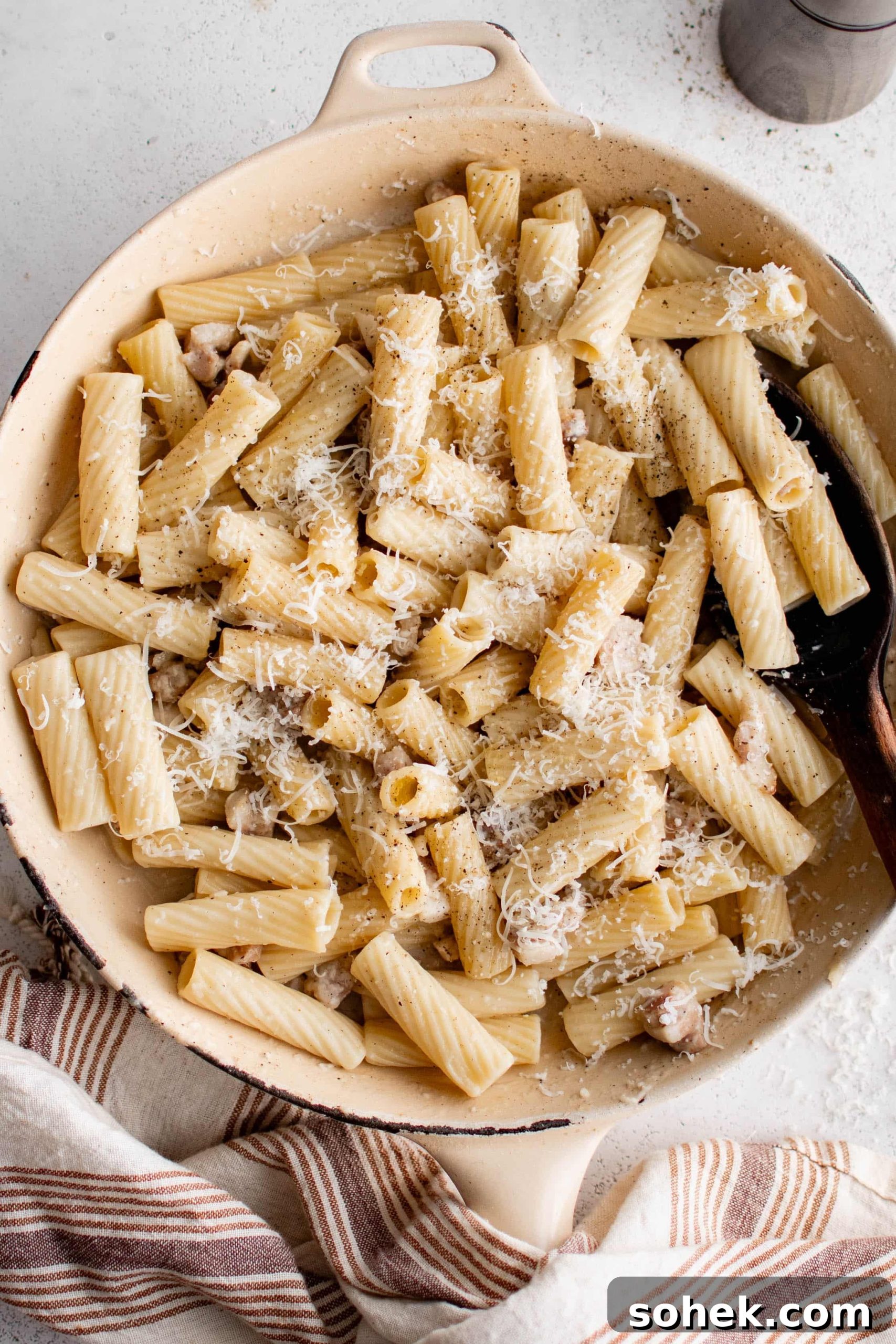
If you enjoy cacio e pepe, you’ll love Pasta alla Gricia. The technique and flavor profile are very similar; the main difference is the addition of guanciale, a cured pork cheek that brings savory fat and deep flavor.
Simple, delicious, and easy to make.
Table of Contents
- What is Pasta Alla Gricia
- Pasta Alla Gricia Ingredients
- How to Make Pasta alla Gricia
- Recipe Tips
- Storage and Reheating
- More Pasta Recipes
- Pasta Alla Gricia Recipe
What is Pasta Alla Gricia
The charm of Pasta alla Gricia lies in its restraint: just pasta, guanciale, Pecorino Romano, and black pepper. Sometimes called “Amatriciana Bianca,” it’s considered a predecessor to Amatriciana (without tomatoes) and to carbonara (without eggs). The dish comes from the Rome/Lazio region and showcases how a few excellent ingredients can create a deeply satisfying pasta.
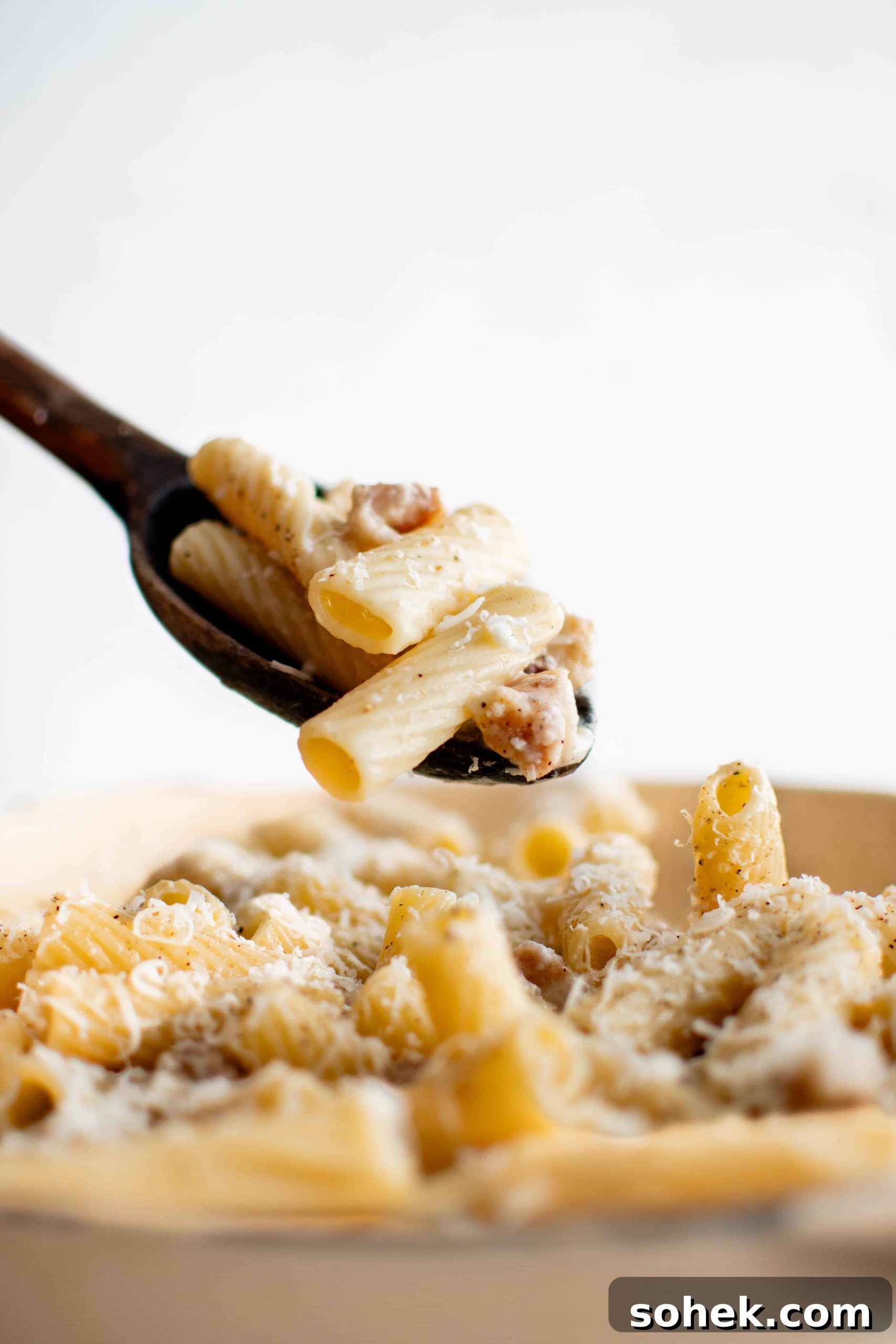
When prepared properly, the rendered guanciale and grated Pecorino form a silky coating for the pasta, balanced by freshly cracked black pepper and the guanciale’s savory saltiness.
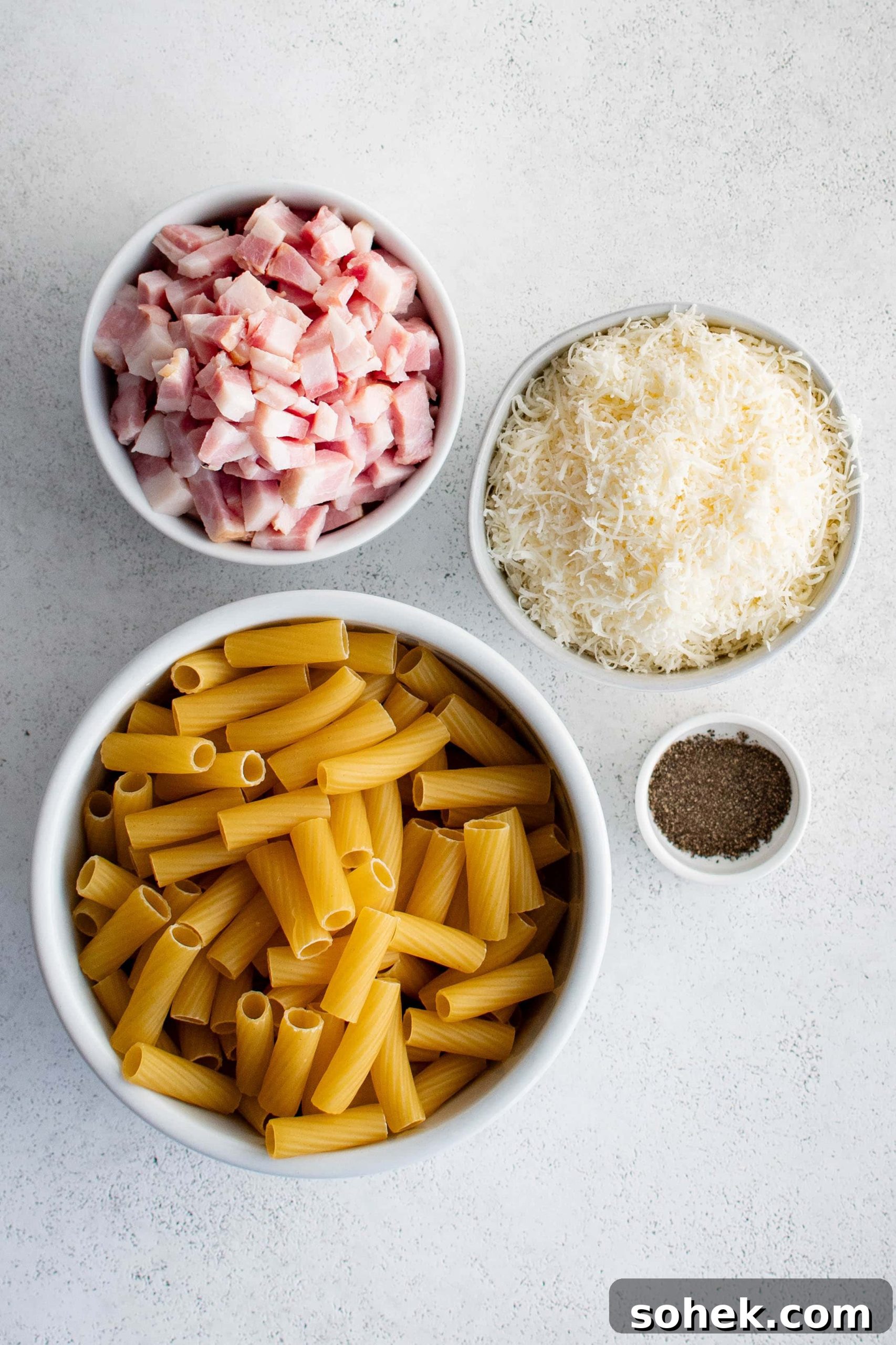
Pasta Alla Gricia Ingredients
- Guanciale: Traditional cured pork jowl with rich flavor and silky fat. If you can’t find guanciale, use pancetta as a substitute.
- Pasta: Rigatoni, spaghetti, or bucatini work well; rigatoni is ideal for catching bits of guanciale and sauce.
- Pecorino Romano: A sharp, salty sheep’s milk cheese. Finely grate by hand for the best melting and flavor. Parmigiano-Reggiano can substitute if needed.
- Black pepper: Freshly cracked for warmth and aroma.
- Salt: For seasoning the pasta water—be cautious, since guanciale and Pecorino are already salty.
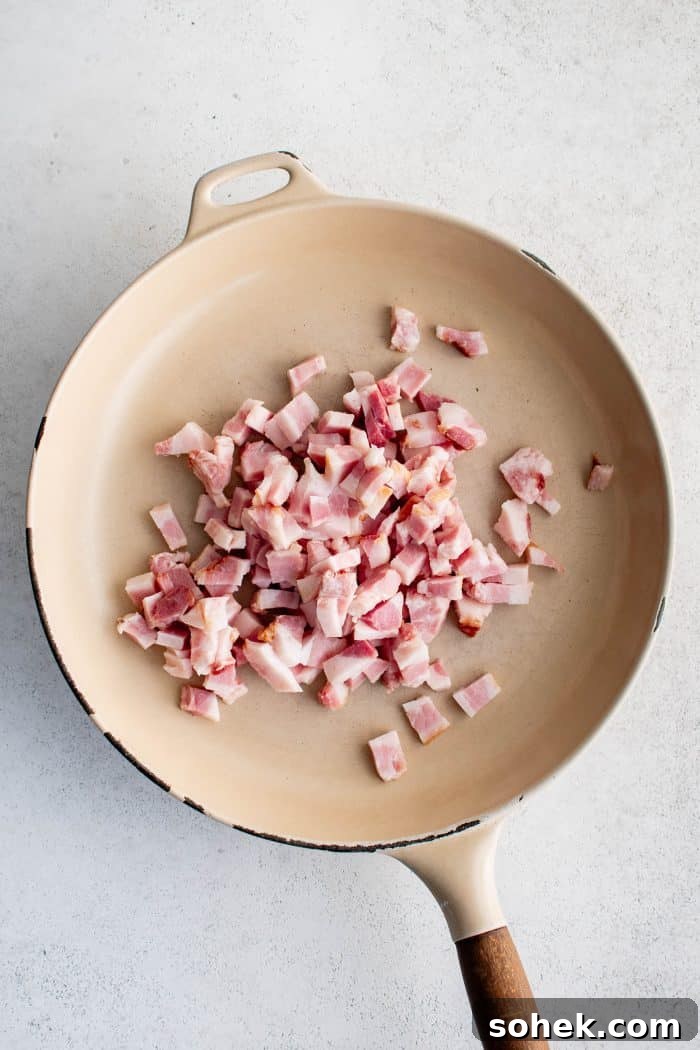
How to Make Pasta alla Gricia
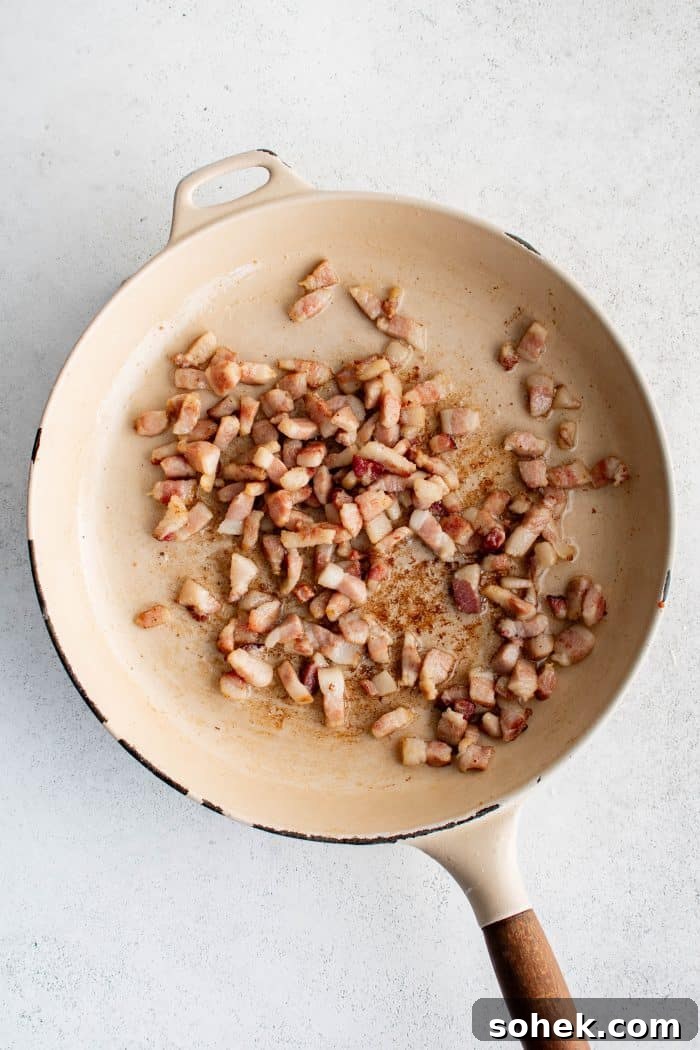
1. Cook the guanciale: Place diced guanciale in a cold skillet and warm over medium heat. Cook until crisp and golden and the fat has rendered, about 5–7 minutes.
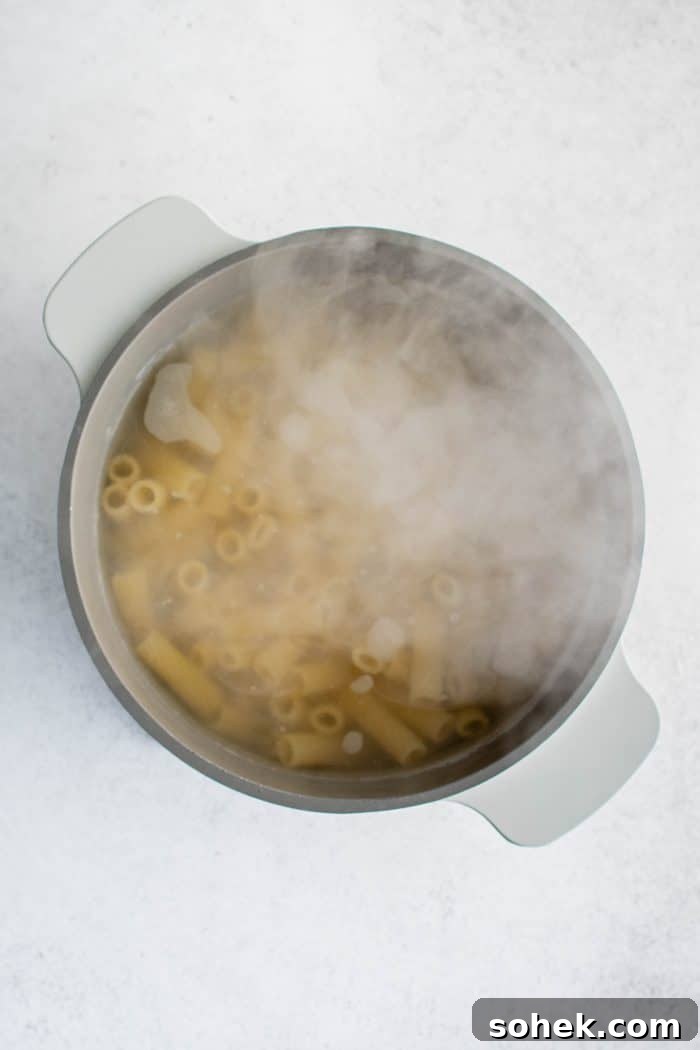
2. Boil the pasta: Bring a large pot of salted water to a boil. Cook the pasta until 2 minutes shy of the package time. Reserve at least 2–3 cups of pasta water, then drain.
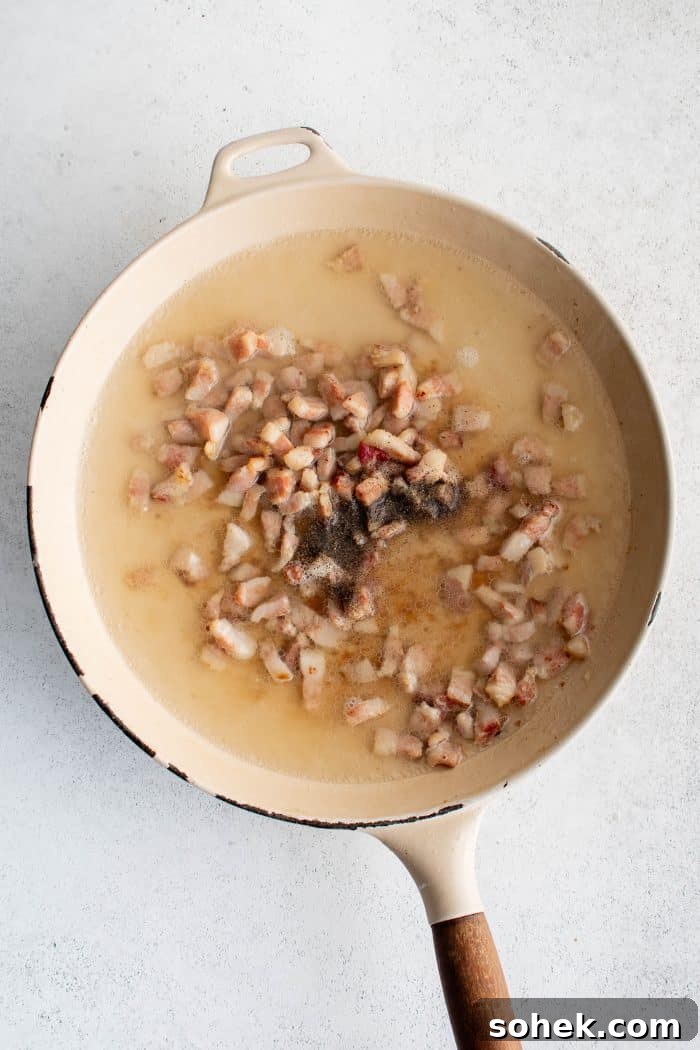
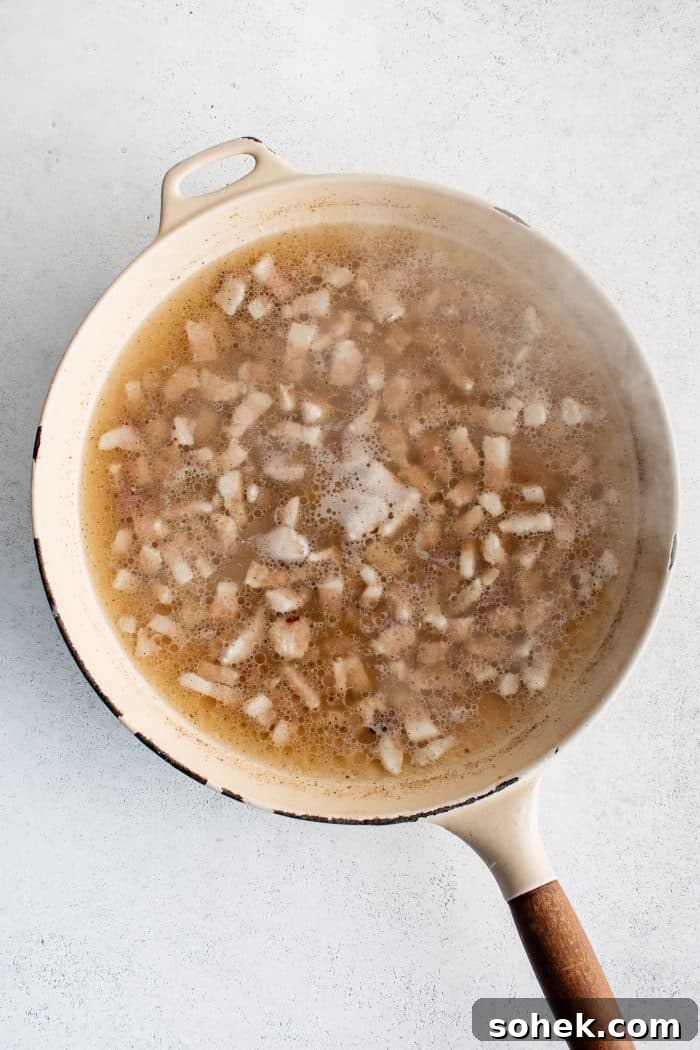
3. Build the sauce: Add about 1 cup of reserved pasta water to the skillet with the rendered fat and guanciale. Add freshly cracked black pepper and bring to a gentle simmer.
4. Toss the pasta: Add the pasta and toss gently in the sauce, cooking 1–2 minutes until the sauce thickens and the pasta finishes cooking. Add more pasta water as needed to reach a silky consistency.
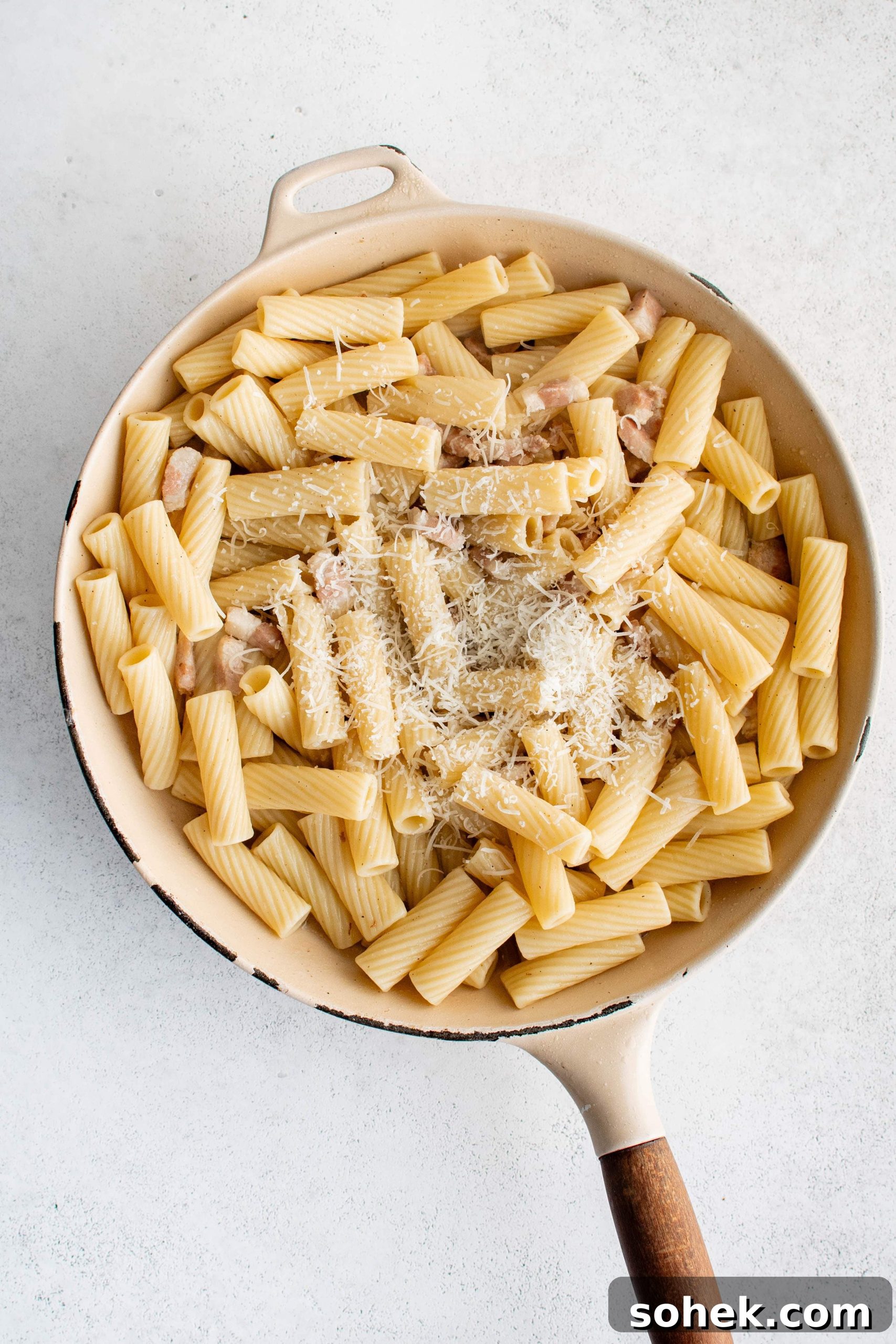
5. Add Pecorino: Remove the pan from heat and let it cool for a minute. Gradually stir in the grated Pecorino until smooth and emulsified. Adjust seasoning with pepper and, if necessary, a small pinch of salt.
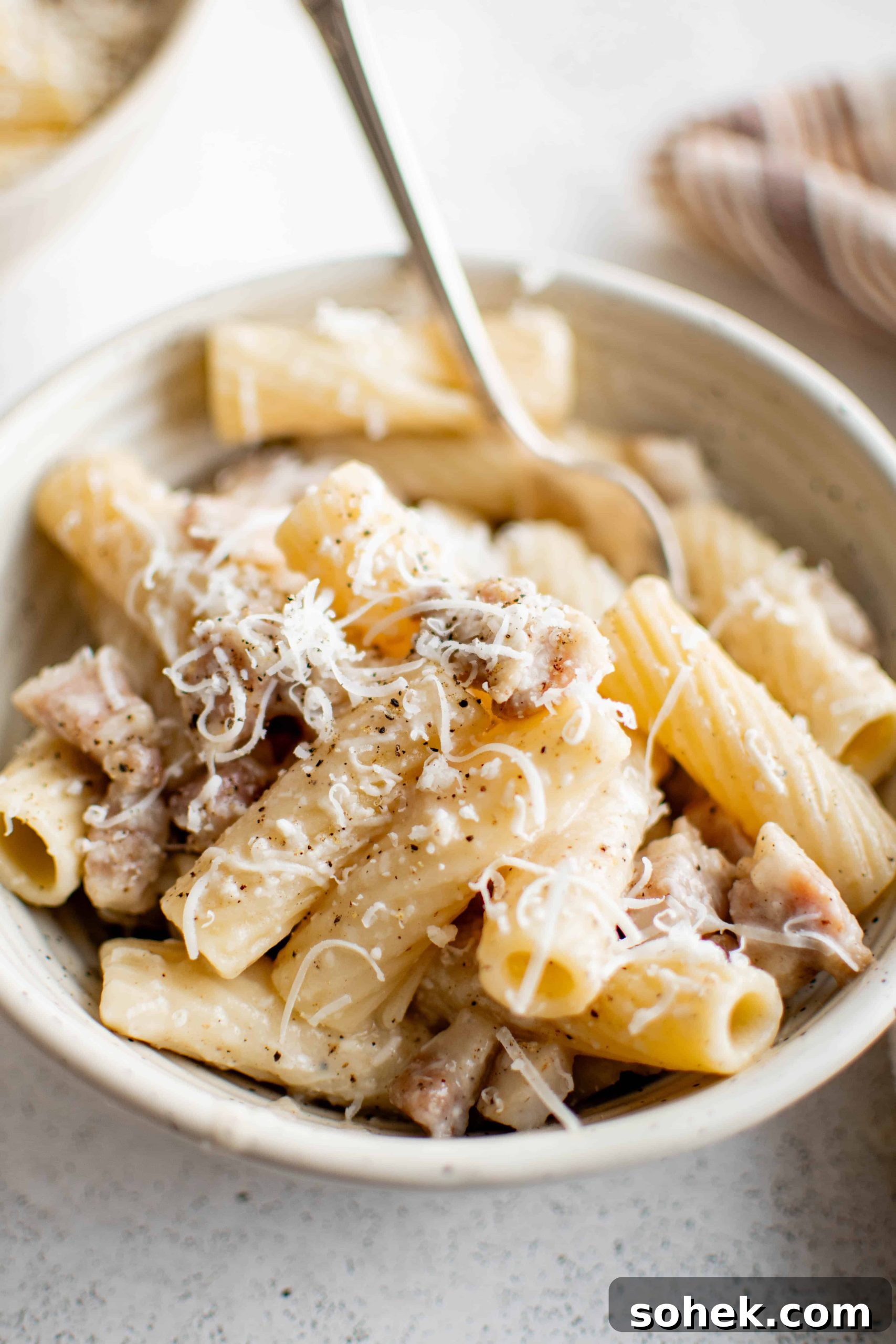
6. Serve: Plate the pasta and finish with extra Pecorino and freshly ground black pepper.
Recipe Tips
- Grate the cheese by hand: Freshly grated Pecorino melts faster and yields better flavor and texture than pre-grated cheese.
- Reserve extra pasta water: Keep more water than you think you’ll need. The starchy water is essential for creating a smooth, glossy sauce.
- Hold off on salt: Taste before adding salt; the guanciale and Pecorino contribute significant saltiness.
Storage and Reheating
Cool leftovers to room temperature, store in an airtight container, and refrigerate for 2–3 days. Reheat in a skillet over medium-low heat with a splash of water or olive oil, stirring until warmed through. Microwaving in 30-second intervals also works. Freezing is not recommended, as the texture will degrade.
More Pasta Recipes
- Creamy Cajun Shrimp Pasta
- Pasta with Bacon and Peas
- Creamy Lemon Chicken Pasta
- 30 Minute Creamy Ham and Pea Pasta
- Ground Turkey Pasta
- Easy Bacon Broccoli Pasta
- Sun Dried Tomato Pasta
If you make this Rigatoni alla Gricia, please leave a comment and share how it turned out—I love to hear your feedback.
Pasta Alla Gricia Recipe
Ingredients
- 6 ounces guanciale (or pancetta), diced
- 12 ounces rigatoni (or spaghetti)
- 1/4 teaspoon freshly ground black pepper
- 4 ounces Pecorino Romano, freshly grated
Instructions
- Add the guanciale to a cold skillet and cook over medium heat until crisp and golden, about 5–7 minutes.
- Bring a large pot of salted water to a boil and cook the pasta until 2 minutes shy of the package time. Reserve at least 2 cups of pasta water, then drain.
- Add 1 cup of reserved pasta water to the skillet with the guanciale, bring to a simmer, and stir in the cracked black pepper. Add the pasta and toss, adding more pasta water as needed.
- Cook 1–2 minutes until the sauce thickens and the pasta finishes cooking.
- Remove from heat and let cool for a minute. Gradually stir in the Pecorino until smooth and well combined. Taste and adjust with more pepper or a small pinch of salt if necessary.
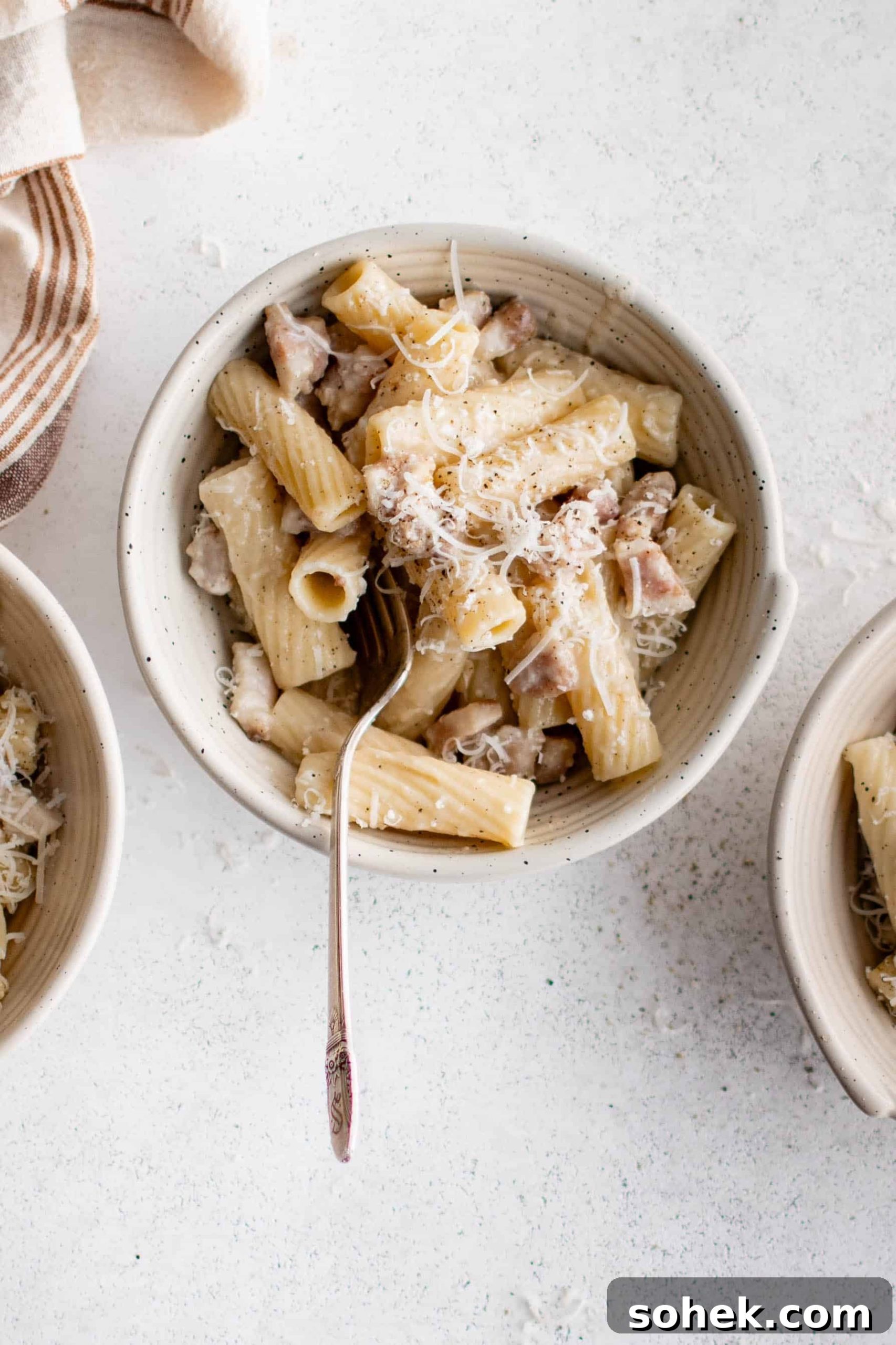
- Garnish with extra Pecorino and freshly ground black pepper and serve.
Notes
Store leftovers in an airtight container in the refrigerator for up to 2–3 days. Reheat gently in a skillet with a splash of water or olive oil.
Nutrition (approx.)
Calories: 729 kcal | Carbs: 65 g | Protein: 25 g | Fat: 41 g | Saturated fat: 17 g | Sodium: 710 mg
Nutrition information is an approximation.