Sometimes an ancestor changed his name. Genealogy tips for dealing with name changes in your family tree and finding that ancestor.
When researching family history, it’s common to run into a brick wall because an ancestor used a different name at some point. Whether the change was cultural, personal, or informal, it can make tracing lineage difficult. Fortunately, there are clear strategies you can use to work around a name change and identify the person you’re searching for.
Why Would an Ancestor Change Their Name?
People changed names for many reasons. Understanding the likely motivations can help you decide where to look next.
Common reasons include:
- Immigration: Immigrants often adapted their names to fit a new language or culture.
- Avoiding financial or legal trouble: Some adopted new names to escape debts or legal issues.
- Personal choice: A desire for a fresh start, to break with family, or simply dislike of a given name could prompt a change.
- Cultural adaptation: Names were sometimes altered to align with local customs or pronunciation.
In many cases during the 19th and early 20th centuries, formal legal procedures were unnecessary. A person could begin using a different name and official records might never document the change. That can make surname-based searches complicated, but alternative approaches can reveal the truth.
How can I tell if my ancestor changed their name?
Detecting a name change requires close comparison of records and attention to patterns. Look for these indicators:
- Inconsistent census entries: Variations in name, birth year, birthplace, or household composition across censuses can suggest a change.
- Differences in vital records: Conflicting names on birth, marriage, or death certificates may indicate the same person used different names at different times.
- Conflicting legal documents: Wills, land deeds, or court records that use different names for a person deserve closer review.
- Missing records for known events: If you expect to find a record for a life event but it’s absent under the expected name, search for alternate spellings or different given names.
- Family stories and oral histories: Relatives often preserve hints about name changes, nicknames, or family connections that don’t appear in official records.
- Gaps in the timeline: Periods where someone disappears from records may align with a name change.
By comparing multiple records and following seemingly small clues, you can begin to assemble a picture that reveals whether a name change occurred.
3 Genealogy Research Strategies To Try If You Suspect Your Ancestor Changed His Name
I’ll illustrate practical strategies with the case of my ancestor from Charlotte County, Virginia, who used two different given names in different documents. This example demonstrates how oral history, traditional records, and local publications can combine to solve a name-change mystery.
Were William Henry Haley and George W. Haley the same man?
William Haley seemed to “disappear” from records before 1883, and despite extensive searching, no clear records linked him to earlier decades. Starting points included family oral history and the earliest documents that mentioned him. Over time, layering evidence revealed a consistent identity despite different names appearing in records.
1. Oral history can hold clues to an ancestor name change
Family memories supplied key details for the later life of William Haley. Grandchildren who knew him recalled his life, the communities where he lived, and variant spellings of the family surname. They mentioned a connection to the Tribble family and reported that William went by the nickname “Will.” Another family member recalled the father’s name as “Cas,” a short form likely tied to a longer given name.
These oral fragments—nicknames, neighbors, employment, and family ties—provided important leads to test in written records.

Oral history indicated William worked locally as a laborer, married Clara Holt, and later became an overseer at Clarkton Plantation after his father-in-law’s death. Family accounts also noted surname spellings varied between Haley and Hailey. Even small details like these helped direct record searches.
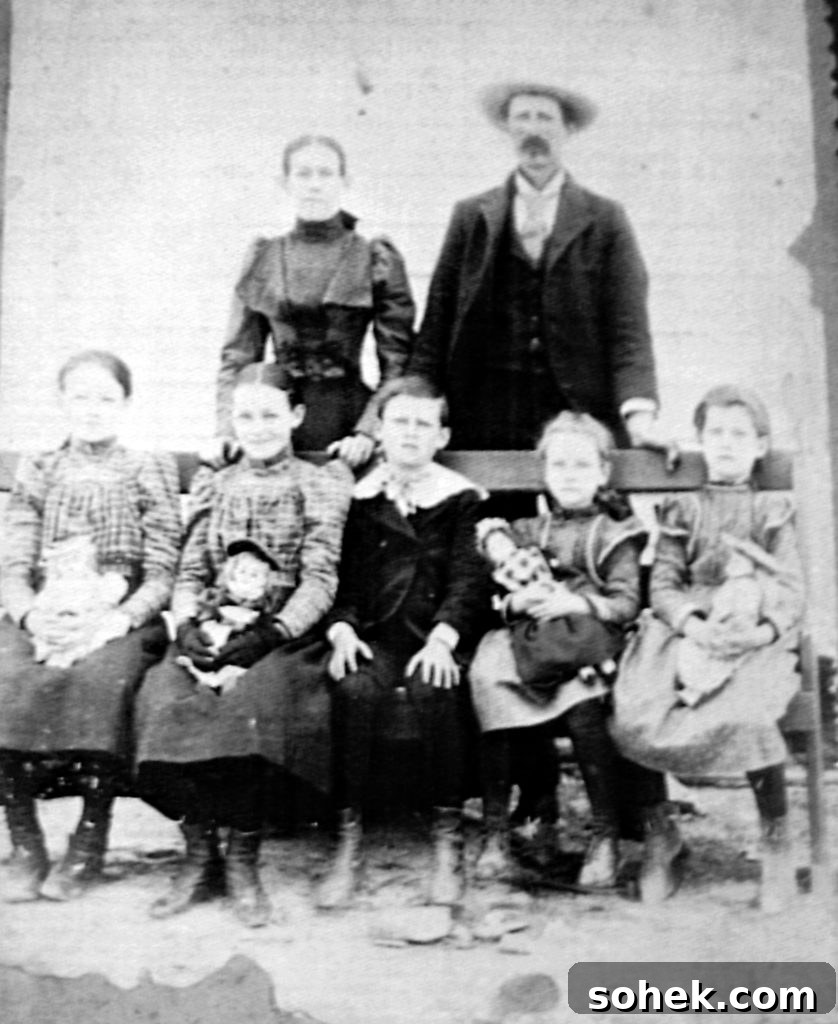
2. Take the genealogy research back to the traditional genealogy records
Exhaust traditional primary and secondary sources methodically. View original documents when possible and treat each record as a clue to be corroborated rather than definitive proof on its own.
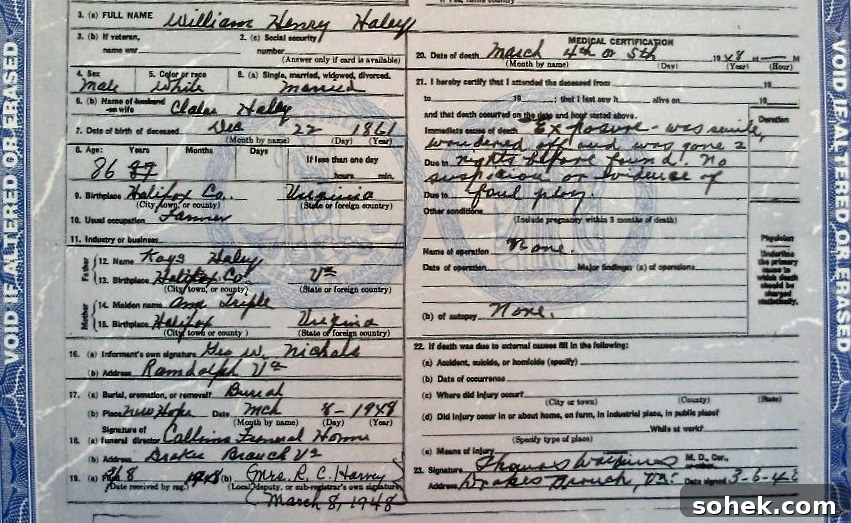
Death certificate
The death certificate for William Haley provided his full name, birth date, and the names of his parents as recorded by the informant. While the death certificate listed his father as “Kays Haley” and his mother as “Ann Triple,” it remains a secondary source dependent on the informant’s knowledge. Even so, these names offered leads to pursue in earlier records.
Marriage record
The 1883 marriage registration for William H. Haley and Clara Holt is a strong source because the information was provided by the couple. That record named William’s parents as S. C. and M. A. Haley, both from Halifax County, which initially conflicted with the death certificate. Reconciling discrepancies like this requires additional records, not instant conclusions.
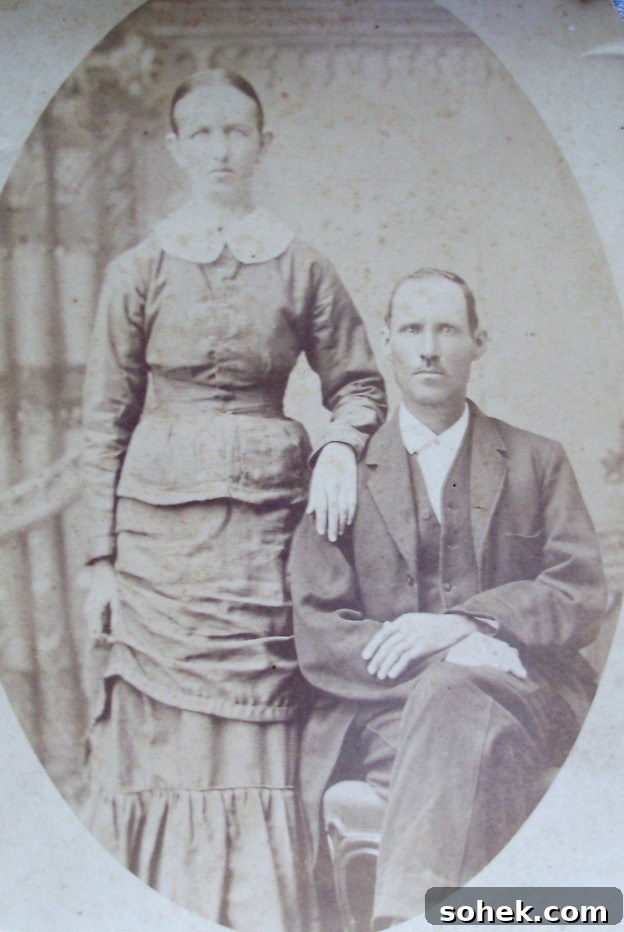
Census records
Comparing federal censuses across decades proved crucial. The 1870 census showed a George Haley age 9 living with Stephen and Mary Hailey in Staunton Township, near the Tribble family noted in oral history. The 1880 census listed a George W. Haley, age 18, working as a farm laborer in the same area where Stephen C. Haley’s household appeared. By 1900, a William Haley of the right age and occupation lived in the same district with his wife Clara and children. These overlapping details—age, location, neighbors, occupations—created a strong chain of evidence linking George and William as the same person using different given names at different times.
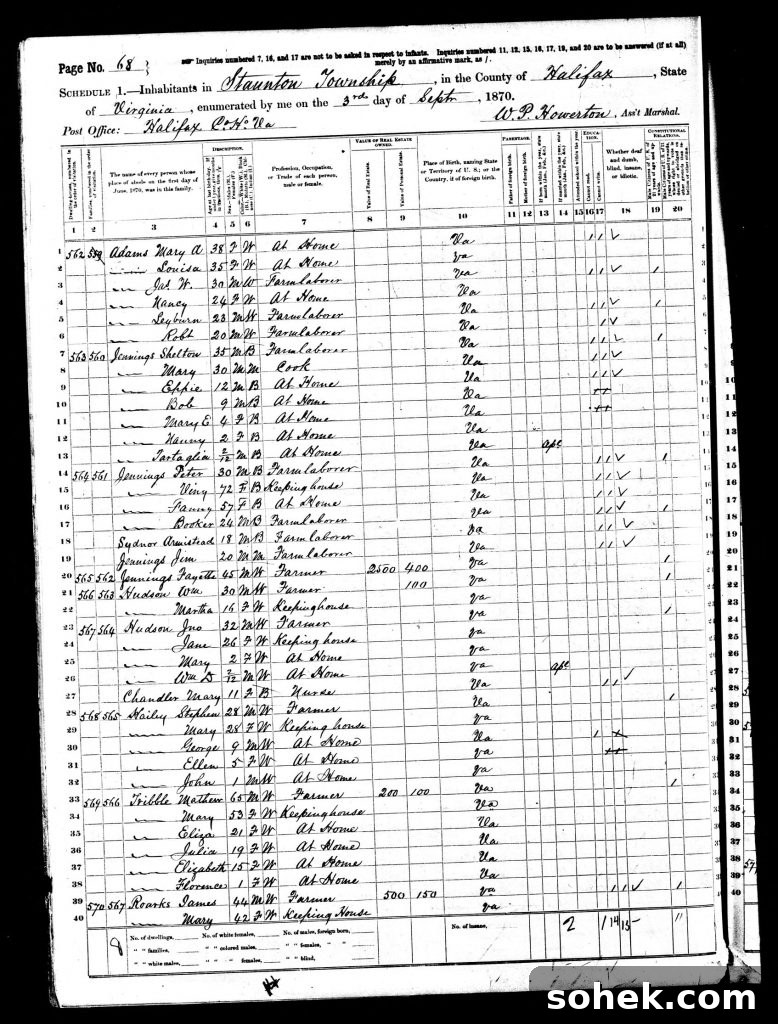
Tracing neighbors, consistent family members, and neighboring households across censuses tied the records together and helped identify S. C. Haley as Stephen C. Haley, the father of the individual who used both George and William as given names.
3. Use county heritage books for local family knowledge
Local county histories and heritage books often capture names and nicknames preserved by descendants. A heritage volume for Halifax County listed Stephen C. Haley’s full name as Stephen Caswell Haley and noted he was known as Kas or Cas. This detail matched the family recollection that William’s father went by “Cas.” Although such volumes sometimes lack formal citations, they can corroborate oral traditions and point toward courthouse records or family papers to confirm facts.

Were William H. Haley and George W. Haley the same person?
Weighing oral history, vital records, census entries, and local history together makes a persuasive case that they were the same individual. A legal name-change process was not required for someone to adopt a different given name in that era, so the exact moment or reason may remain unknown. What matters for genealogy is demonstrating identity through consistent evidence: matching ages, places, relationships, occupations, and neighbor networks.
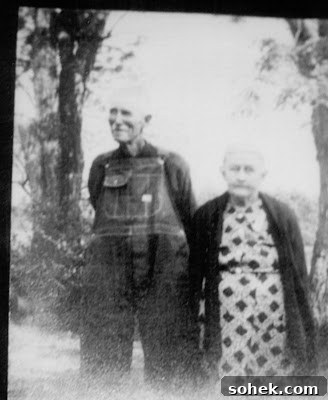
Your takeaways for researching ancestors who changed a name
Keep these principles in mind when you suspect a name change:
- Researching brick-wall ancestors takes time. Rarely will a single record provide the complete answer.
- Think beyond standard records. Consider oral histories, local histories, family papers, cemetery inscriptions, and county resources that document local naming practices and nicknames.
- Corroborate multiple sources. Never rely on a single record; compare timelines, neighbors, occupations, and family relationships to build a convincing case.
Do you suspect an ancestor changed his name? Share your situation and clues you’ve found in the comments.
Other posts of interest
- Use ArchiveGrid to find old documents and family records
- How to make sense of census records – 1850–1940
- How to perform your genealogy searches more successfully