
Your diet has a major influence on your overall health. Making a habit of adding more nutrient-dense, functional ingredients to your meals can help with weight management and lower the risk of chronic conditions such as diabetes and heart disease. Functional foods can also support energy, focus, sleep, and general wellbeing. Below are ten naturally occurring functional foods that offer a wide range of health benefits when included as part of a balanced diet and healthy lifestyle.
What are Functional Foods?
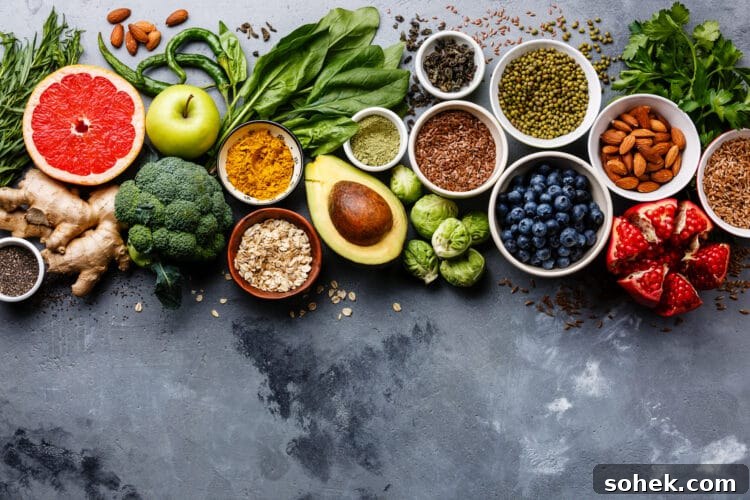
Functional foods provide more than basic nutrition; they deliver health-promoting or disease-preventing properties in addition to macronutrients like protein, fat, and carbohydrates. These benefits can come from bioactive compounds such as omega-3 fatty acids, antioxidants, fiber, and other phytochemicals. The concept originated in Japan in the 1980s to describe foods that offer a “tertiary function” beyond nutrition and taste. While functional foods cannot single-handedly cure illnesses, they contribute meaningful benefits when combined with regular exercise, adequate sleep, stress management, and other positive lifestyle choices.
Different Types of Functional Foods

Functional foods can appear in several forms: enriched foods that restore nutrients lost during processing, fortified foods with added nutrients not originally present, modified foods with altered fat or nutrient profiles, and naturally functional foods that contain beneficial compounds without alteration. This article focuses on naturally occurring functional foods—everyday whole foods that bring diverse nutritional and health advantages.
Fungi
Fungi include mushrooms, yeasts, and some edible molds. Many varieties contain antioxidants and compounds with antimicrobial or antitumor potential. Mushroom proteins are notable because they can provide all nine essential amino acids, making them a complete protein source. Nutritional yeast or aged cheeses with beneficial molds are other ways to enjoy fungal foods. Add sautéed mushrooms, roasted shiitake, or a sprinkle of nutritional yeast to your dishes for savory flavor and nutrition.
Seafood
Fish and shellfish provide high-quality lean protein, omega-3 fatty acids, and trace minerals like zinc and selenium. These nutrients support heart health, cognitive function, and eye health. Regularly including fatty fish such as salmon, sardines, or trout can help reduce cardiovascular risk and provide anti-inflammatory benefits. If you’re new to cooking seafood, start with simple recipes like baked fish or shrimp stir-fries to make seafood a routine part of your diet.
Tropical Fruits
Tropical fruits like mango, pineapple, avocado, coconut, and papaya are rich in vitamins, antioxidants, and unique enzymes. Pineapple contains bromelain, an enzyme with anti-inflammatory properties, while bananas and other fruits provide tryptophan, which can support mood. Avocado and coconut offer healthy fats that contribute to skin, hair, and cardiovascular health. Enjoy tropical fruits fresh, in smoothies, or as toppings for grain bowls and salads.
Tea
Teas—whether green, black, or herbal—are rich in polyphenols and flavonoids, antioxidants that can reduce inflammation and support long-term health. Different varieties offer specific benefits: peppermint or ginger can aid digestion, chamomile promotes relaxation and sleep, and green tea supplies catechins linked to cardiovascular and metabolic health. Sipping tea daily is an easy, hydrating way to access these bioactive compounds.
Herbs

Fresh herbs like parsley, basil, rosemary, thyme, sage, and cilantro are concentrated sources of vitamins, antioxidants, and aromatic phytochemicals. Parsley and basil can support digestion and add vitamin K, while rosemary and thyme contain compounds that may help reduce inflammation and support immune function. Cilantro has been associated with beneficial effects on metabolic health in some studies. A small garnish of fresh herbs can boost flavor and nutrition with minimal calories.
Spices
Spices bring potent health-promoting compounds in small amounts. Cinnamon supports healthy blood sugar regulation, cayenne and other chili peppers can help modulate pain and circulation, cloves are high in antioxidants, and black pepper supports digestion and nutrient absorption. Experiment with different spice blends to increase flavor and tap into the distinct functional properties each spice offers.
Cruciferous Vegetables
Cruciferous vegetables—including broccoli, cauliflower, cabbage, kale, bok choy, and Brussels sprouts—are rich in fiber, vitamins, minerals, and sulfur-containing compounds such as glucosinolates. These nutrients support detoxification pathways, reduce inflammation, and have been associated with a lower risk of certain cancers. Add raw or lightly cooked cruciferous veggies to salads, stir-fries, or roasted vegetable mixes to preserve their beneficial compounds.
Berries
Berries such as strawberries, blueberries, blackberries, and cranberries are loaded with vitamin C, fiber, and powerful antioxidants like anthocyanins. These compounds support heart health, help protect against cellular damage, and may improve vision and cognitive function. Enjoy berries fresh, frozen in smoothies, or tossed into yogurt and grain bowls for a nutrient-rich boost.
Ancient Grains
Ancient grains—such as farro, spelt, barley, quinoa, amaranth, teff, buckwheat, and certain varieties of rice—are whole grains that have changed little over centuries. They provide fiber, B vitamins, folate, iron, and a range of minerals. Regular consumption of whole grains is linked with lower risk of cardiovascular disease, improved blood sugar control, and reduced inflammation. Try substituting ancient grains into salads, bowls, pilafs, or as side dishes.
Nuts
Nuts are compact sources of healthy fats, plant-based protein, fiber, vitamin E, and minerals. Almonds, walnuts, Brazil nuts, pecans, pistachios, and cashews each bring unique nutrients—Brazil nuts are especially rich in selenium, while walnuts are high in omega-3 ALA. Nuts can support heart and brain health and make convenient snacks or salad toppers. Keep portions moderate, as nuts are calorie-dense but highly nutritious.
Enjoyed this article about the best functional foods for all-around good health? Let us know in the comments!
Also, feel free to check us out on social media or sign up for our daily eNewsletter for more articles, meal plans, and healthy recipes featuring functional foods.