
Did the holidays leave you feeling sluggish or out of sorts? You’re not alone. Even the most committed Paleo eaters can get derailed during a season of parties, cookies, and family get-togethers. The good news is that a new year is an ideal chance to reset—step away from the leftovers, put down the chocolate yule log, and remind yourself how much better you can feel when you eat real, nourishing food.
January is a perfect month to regain focus and feel energized again.
One of the most effective ways to reboot your eating and discover how foods truly affect your body is to do a Whole30. I’ve completed multiple Whole30s in the past, and many readers have shared their success stories. The Whole30 is a 30-day elimination-style reset that removes potentially problematic foods so you can better assess how whole, nutrient-dense foods make you feel.
For those new to Paleo: the Whole30 is a structured, month-long program that helps you focus on real food and eliminate the common offenders—sugar, grains, dairy, legumes, and processed ingredients. It’s a short, intense period of clean eating designed to clarify which foods support your health and which might be causing issues.

During the 30 days, you commit to cutting out the foods that may be undermining your well-being and focus on whole, nutrient-rich meals. It can take a week or two to adapt, but by the end you’ll likely feel clearer, more energetic, and better able to judge how specific foods affect your sleep, digestion, weight, mood, and energy. After the Whole30, you reintroduce foods methodically to learn what works for you—building your own personalized nutrition plan in the process.
Best of all, it only lasts 30 days. That makes it a manageable, evidence-based experiment to discover what foods help you be your best self.
One common obstacle for January Whole30 participants is boredom with meals. I aim to prevent that by sharing plenty of flavorful, satisfying recipes and ideas so you can thrive rather than just survive. Ready to get started?
TIP #1: Start with the right reading.
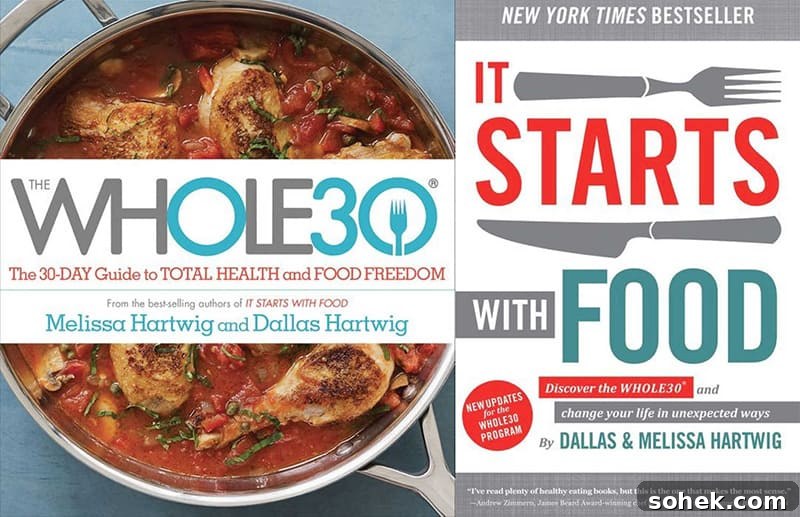
Begin with The Whole30: The 30-Day Guide to Total Health and Food Freedom. It’s the definitive guide to the program and includes practical tips and recipes. If you want to dig into the science and reasoning behind the Whole30, read It Starts With Food by Melissa and Dallas Hartwig, the program’s creators. Their book explains how different foods influence health and answers common questions about the protocol.
If you’re short on time, review the Whole30 site’s quick-start resources to get an overview and links to essential tools. You can also sign up for my newsletter for weekly recipe roundups; throughout January I’ll post new Whole30-friendly recipes and share practical guidance drawn from my recipe index.
TIP #2: Get inspired and plan meals.
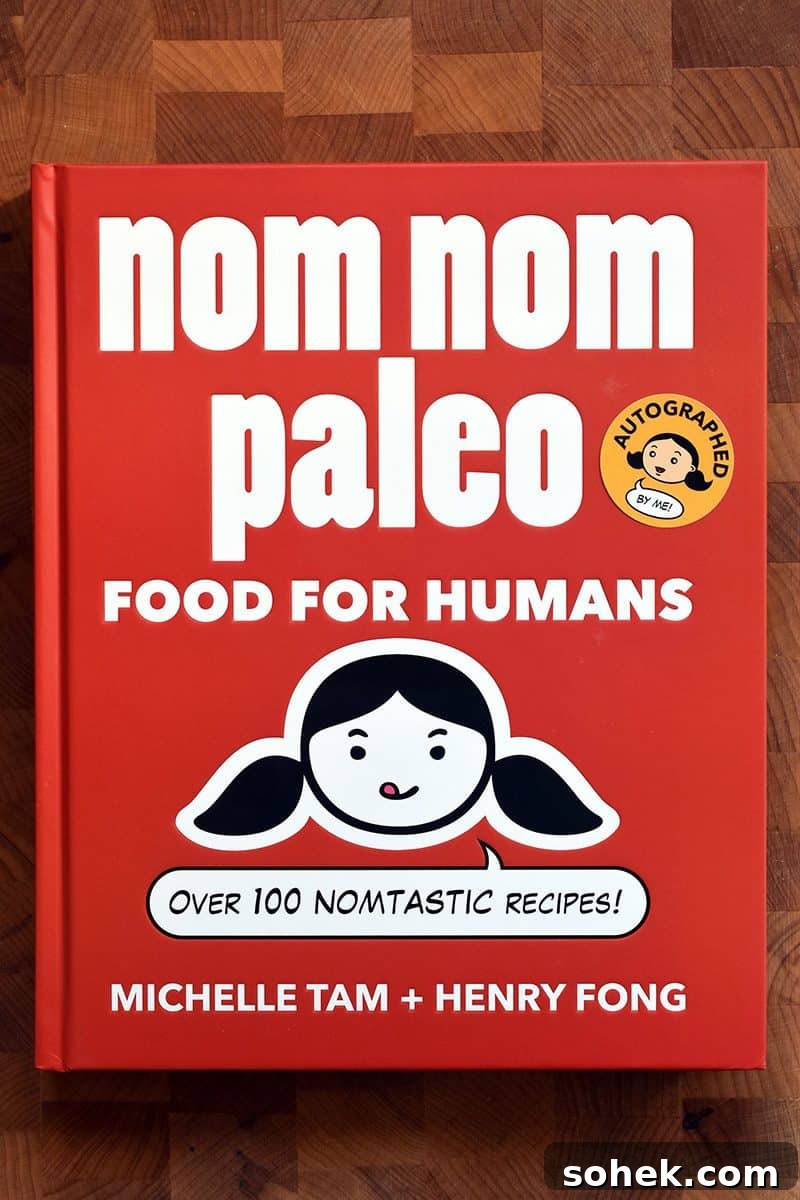
If you want a day-by-day roadmap, I’ve compiled two months’ worth of daily Whole30-friendly recipes to guide your breakfasts, lunches, and dinners. My cookbook Nom Nom Paleo: Food for Humans contains many Whole30-compliant dishes and is designed to keep meals exciting and satisfying. The recipes are flavorful, straightforward, and designed for real-world cooks.
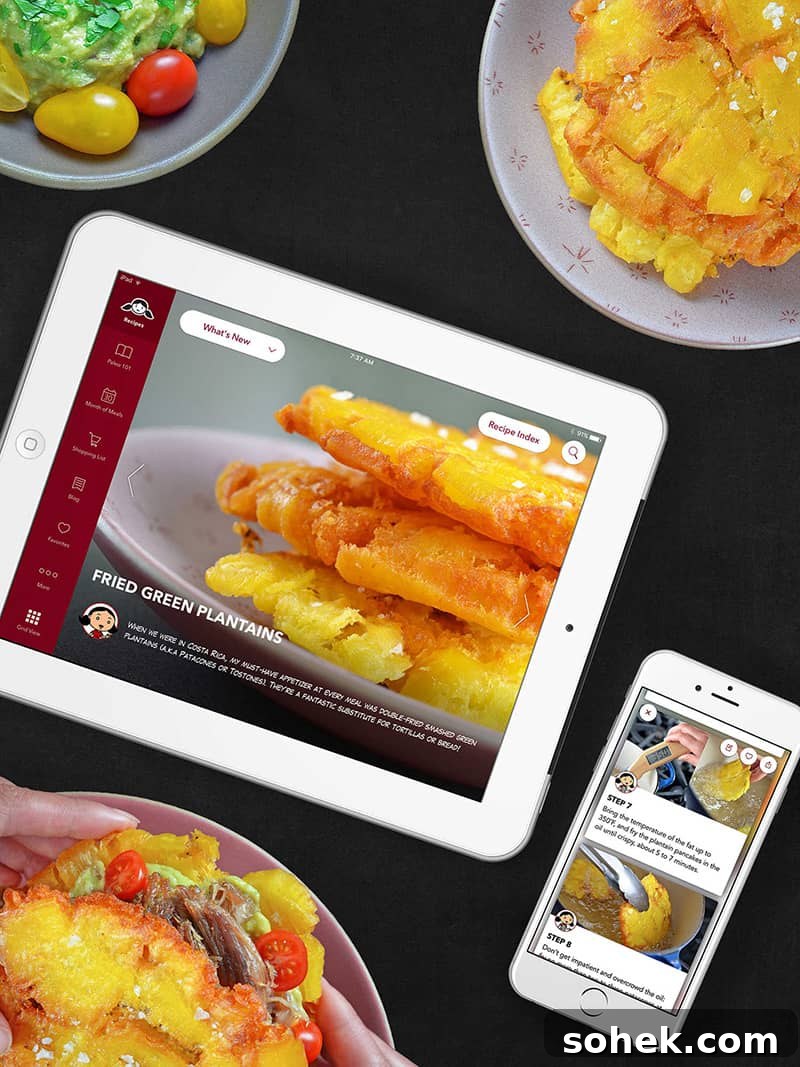
For hands-on convenience, consider using the Nom Nom Paleo app, which offers step-by-step recipes, a 30-day meal plan, and a dedicated Whole30 section. The app is a helpful way to access reliably tested recipes and simplify meal prep when you’re busy.
TIP #3: Build a support network.
Doing a Whole30 is easier when you have support. Invite family, friends, or coworkers to join you so you can share recipes, meal prep duties, and encouragement. If those close to you aren’t participating, the Whole30 Forum and online communities can provide motivation, troubleshooting, and accountability when you need it.
TIP #4: Clean out and stock your kitchen.
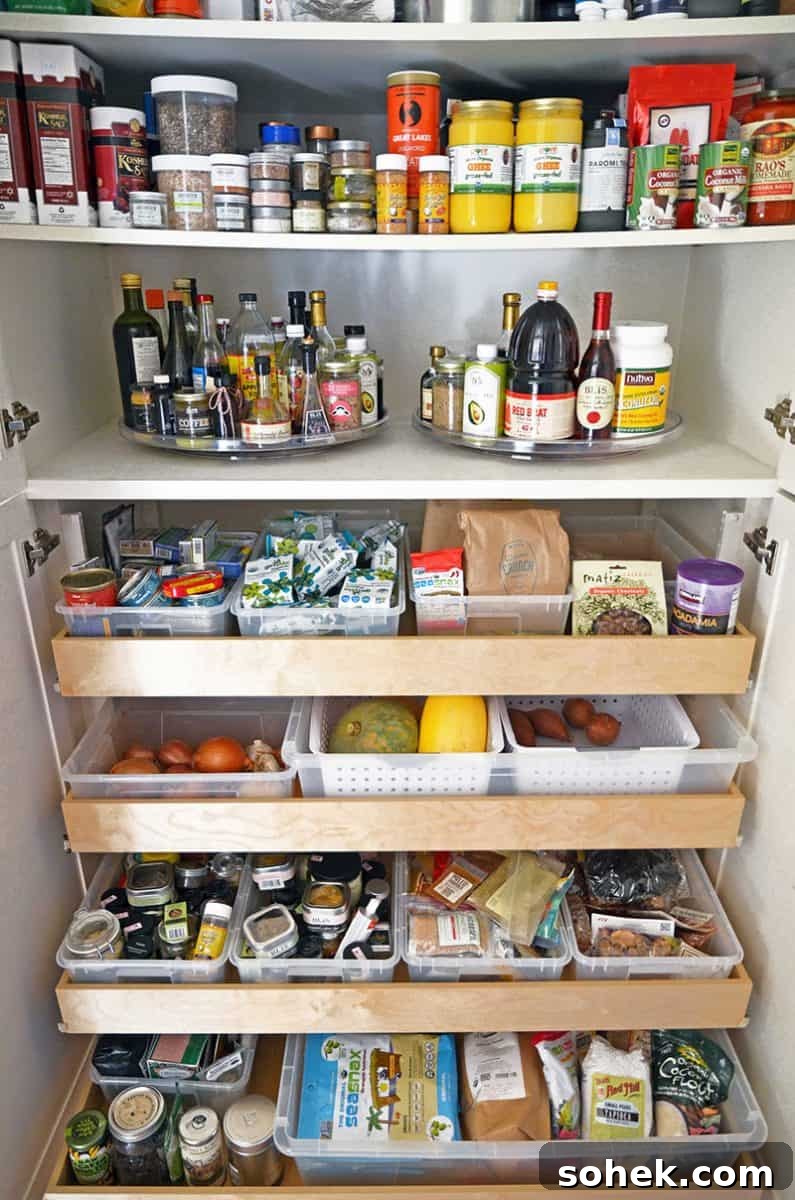
Remove processed foods and tempting treats from your pantry and refrigerator. Fill your kitchen with meats, seafood, eggs, vegetables, fruits (in moderation), healthy fats, and Whole30-compliant seasonings. Planning and shopping in advance reduces friction during the month and makes it easier to cook at home. Use printable shopping lists and pantry guides to simplify your grocery trips and keep your kitchen ready for success.
TIP #5: Learn to use ghee.
Ghee is a versatile, Whole30-compliant cooking fat I use frequently. It has a high smoke point, rich flavor, and works well for sautéing, roasting, and finishing dishes. If you prefer not to make it at home, good quality ghee is available commercially and is a convenient staple for compliant cooking throughout your Whole30.
Keep your meals interesting, experiment with flavors and textures, and treat the Whole30 as an opportunity to create lasting, healthy habits. Approach the month as a culinary adventure rather than a restriction, and you’ll be more likely to adopt sustainable changes afterward.
Here’s to a flavorful, healthy, and enlightening January!
Looking for more recipes? Browse my Recipe Index for Whole30-friendly options, explore exclusive content in the Nom Nom Paleo app, or check my cookbook Nom Nom Paleo: Food for Humans for tested, satisfying recipes that make the Whole30 enjoyable and sustainable.