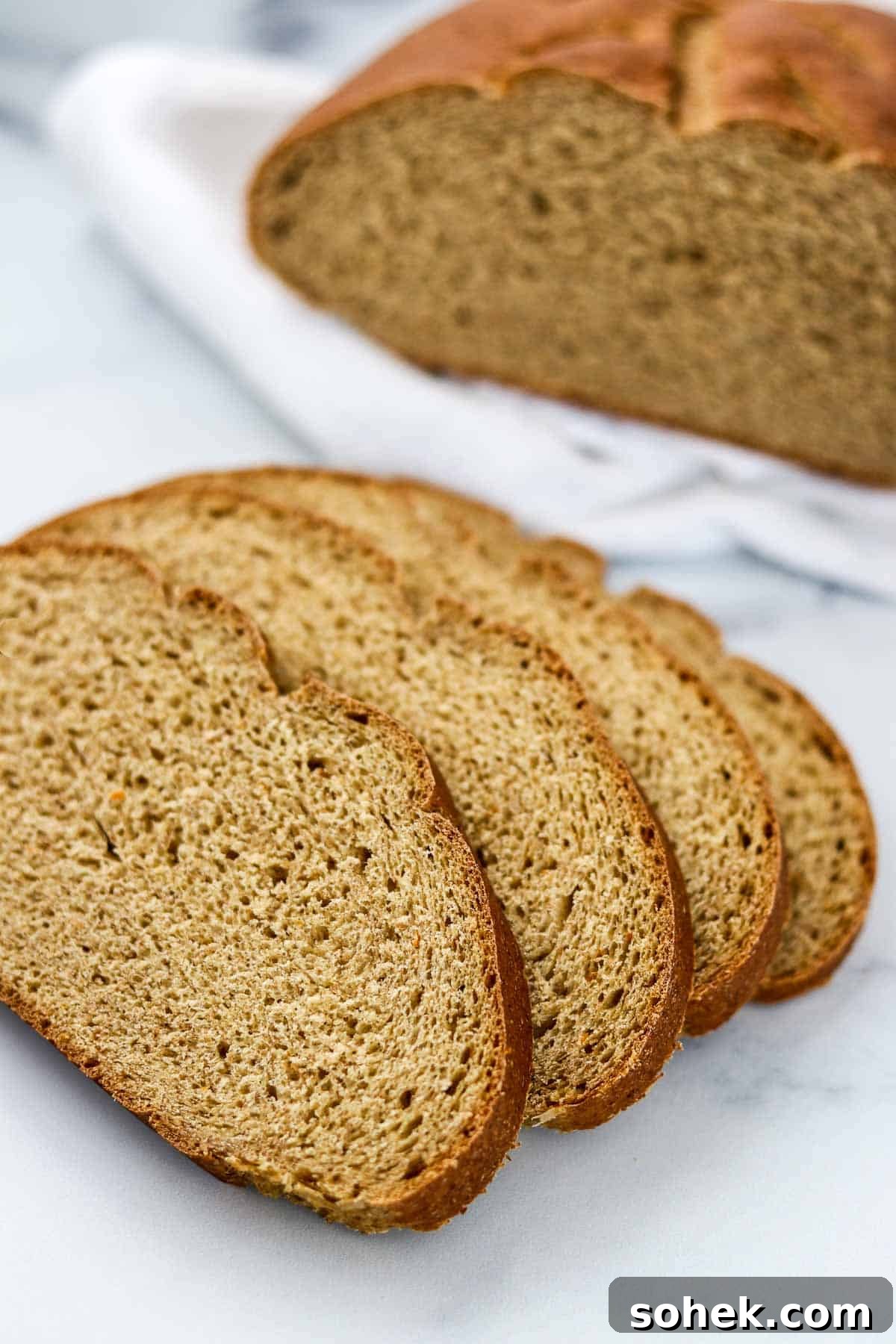
Limpa is a classic Swedish rye loaf with a tender crumb and a subtle hint of orange and anise seed. While many rye breads can be challenging, this recipe is straightforward and ideal if you’re new to baking rye at home.
This recipe is from my great-grandmother, who brought it to America in the early 1900s. I’ve added clearer instructions and small updates, but the loaf remains true to the original family version.
The balance of bright orange zest and warm anise with slightly tangy buttermilk and molasses gives this bread a distinctive, addictive flavor. I’m delighted to share this treasured family recipe with you.
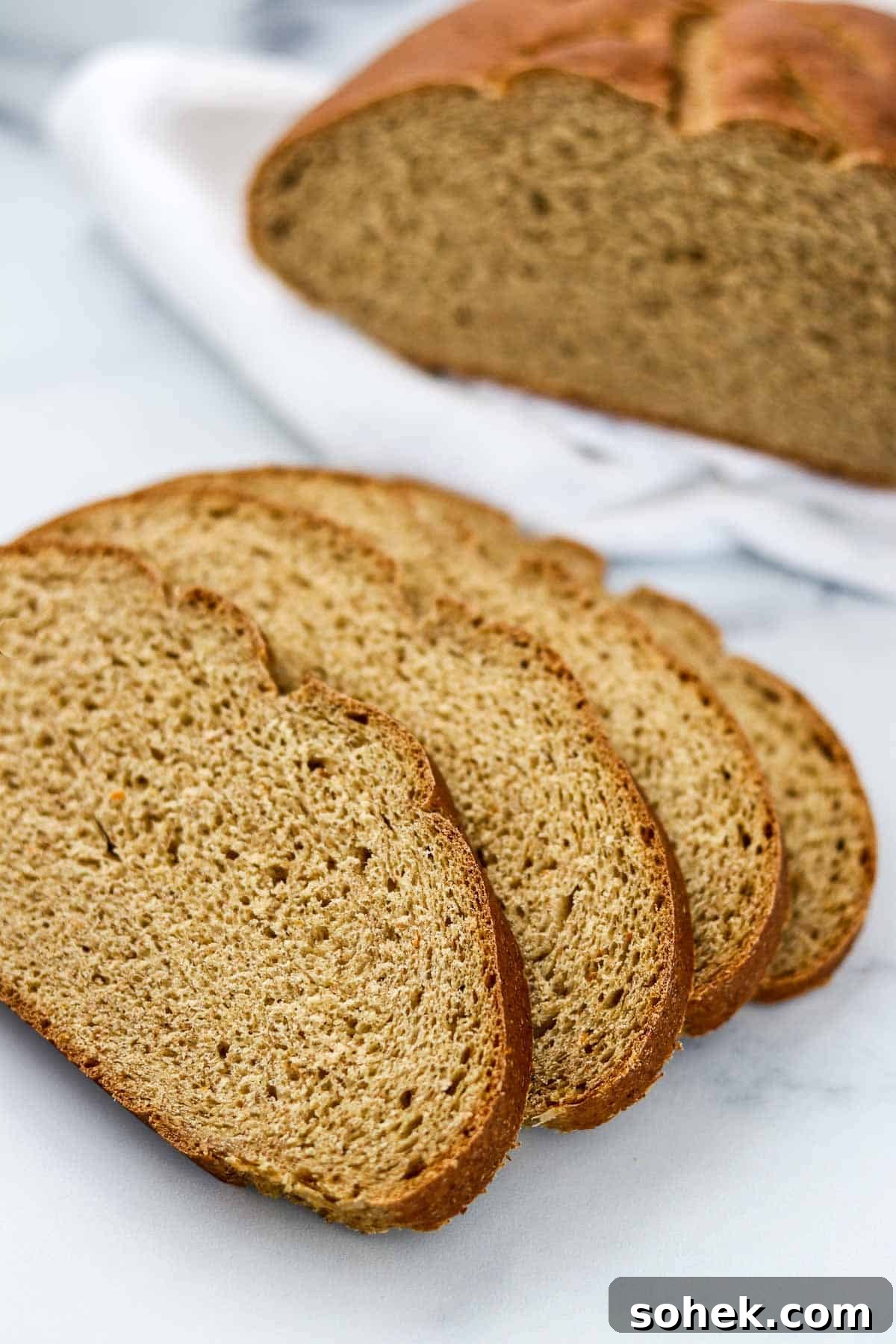
Why this recipe works
- Combining bread flour with rye flour gives the loaf structure without the difficulties that come with 100% rye dough.
- Buttermilk keeps the crumb tender and moist.
- Orange zest and ground anise add bright citrus and a gentle licorice-like warmth that complements the rye.
Ingredients
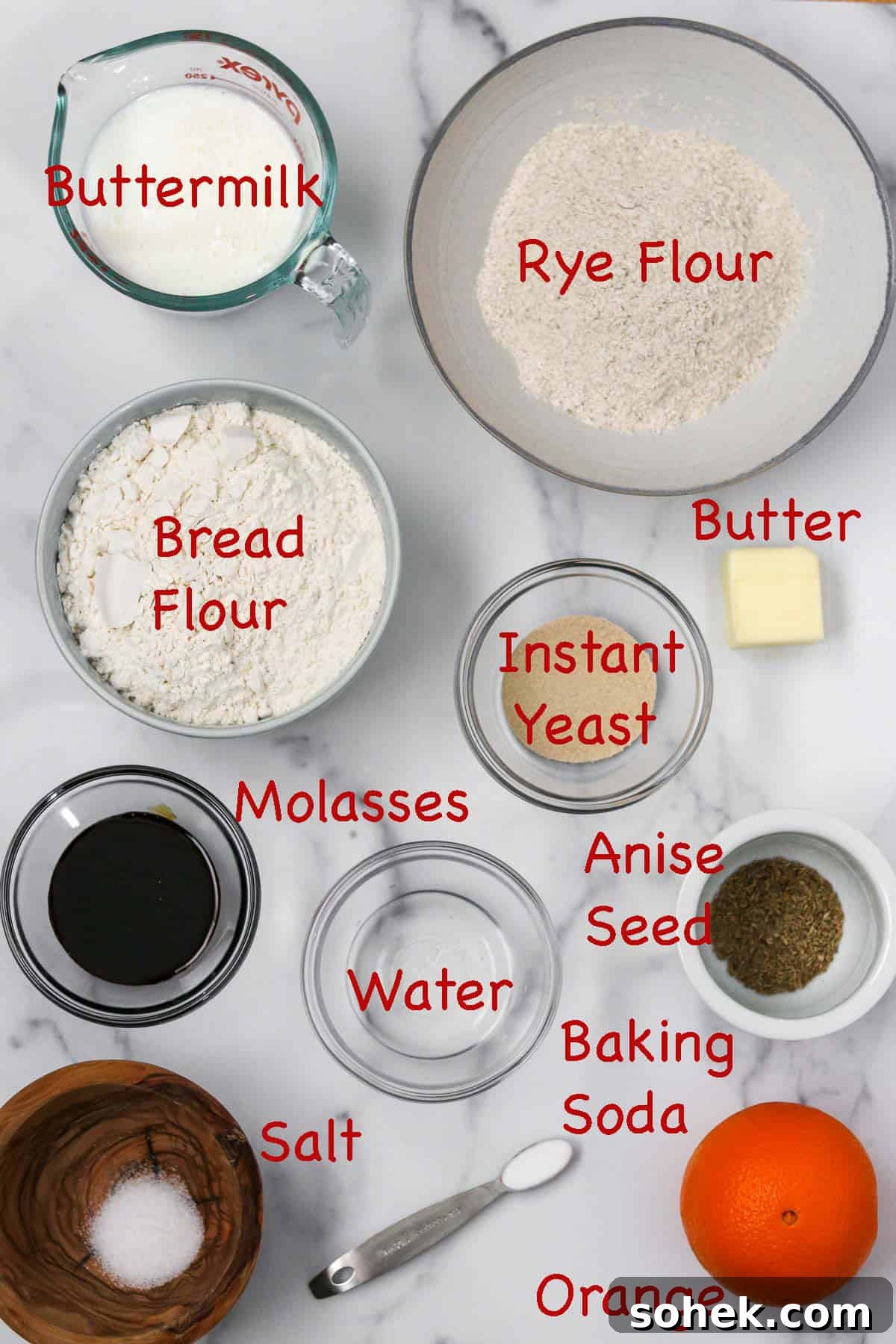
- Bread flour and rye flour: Bread flour supplies gluten and structure; rye adds the traditional earthy flavor.
- Instant yeast: This recipe uses instant yeast, which can be mixed directly into dry ingredients. If you prefer active dry yeast, proof it first in warm liquid (see FAQs).
- Baking soda: A small amount reduces the acidity of the buttermilk so the yeast can work more effectively.
- Orange zest: Zest from one orange brightens the loaf. A microplane grater works well for zesting.
- Molasses: Use a mild molasses for a rich, slightly robust sweetness that pairs well with rye.
- Anise seed: Toast briefly and grind, or use ground anise. It provides a subtle fennel/licorice note that is not overpowering.
How to make the bread
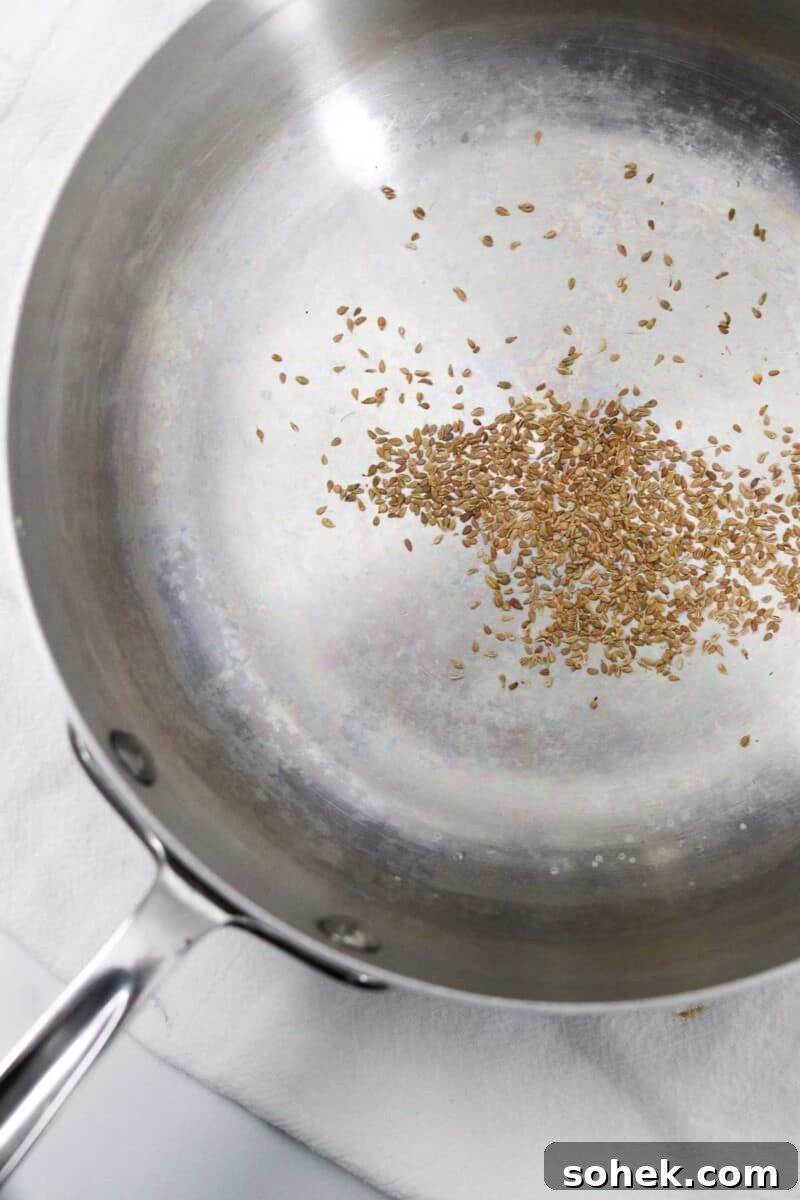
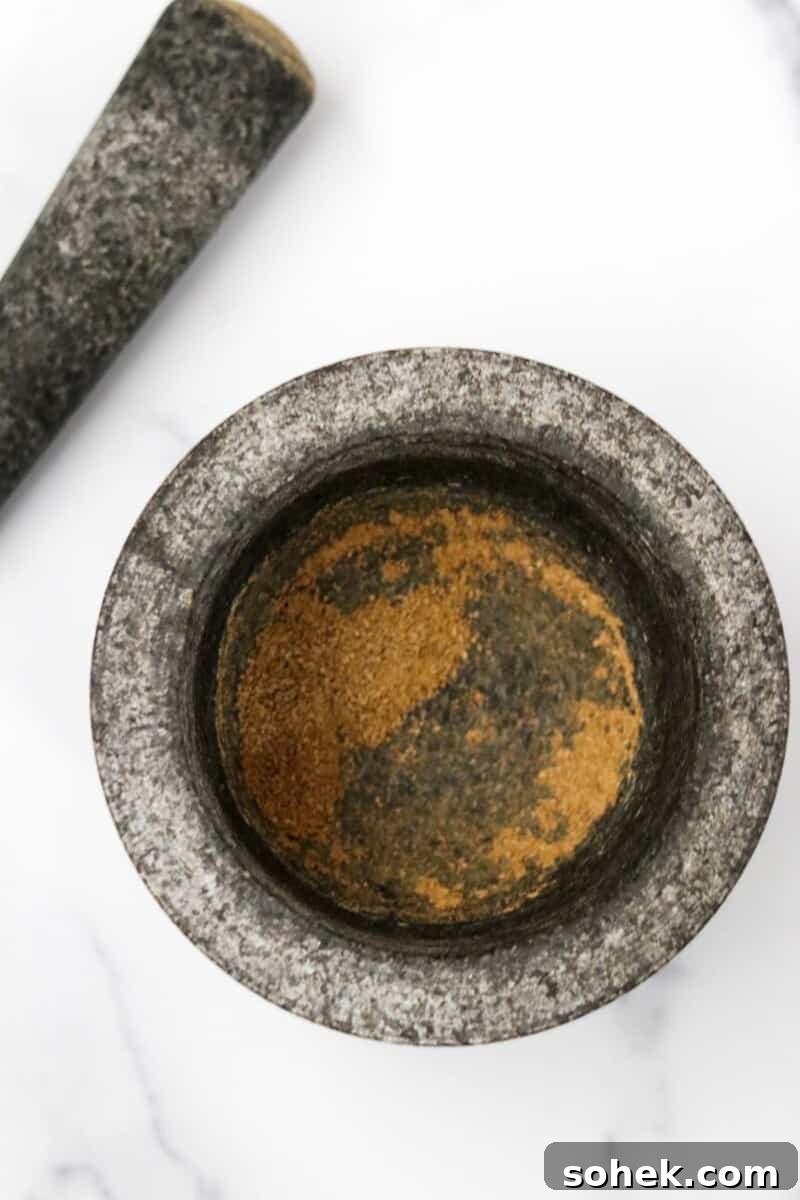
- Toast anise seed in a dry skillet over medium heat until fragrant (2–3 minutes). Grind in a spice grinder or mortar and pestle. Skip if using ground anise.
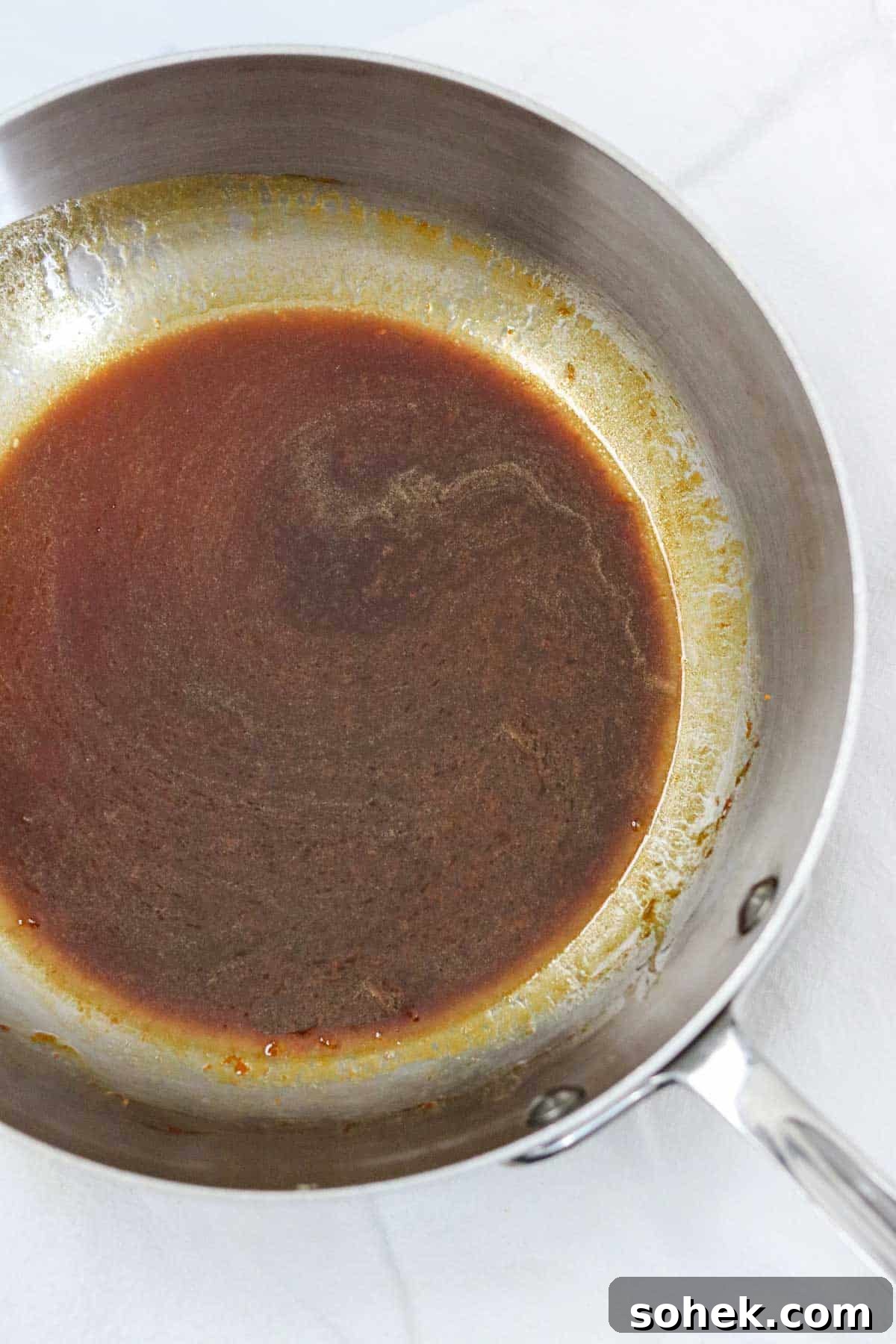
- Combine orange zest, water, butter and molasses in a small saucepan. Heat until butter melts and the mixture bubbles around the edges. Remove from heat and cool until just warm to the touch (about 90–95°F).
- Stir the baking soda into the buttermilk and set aside.
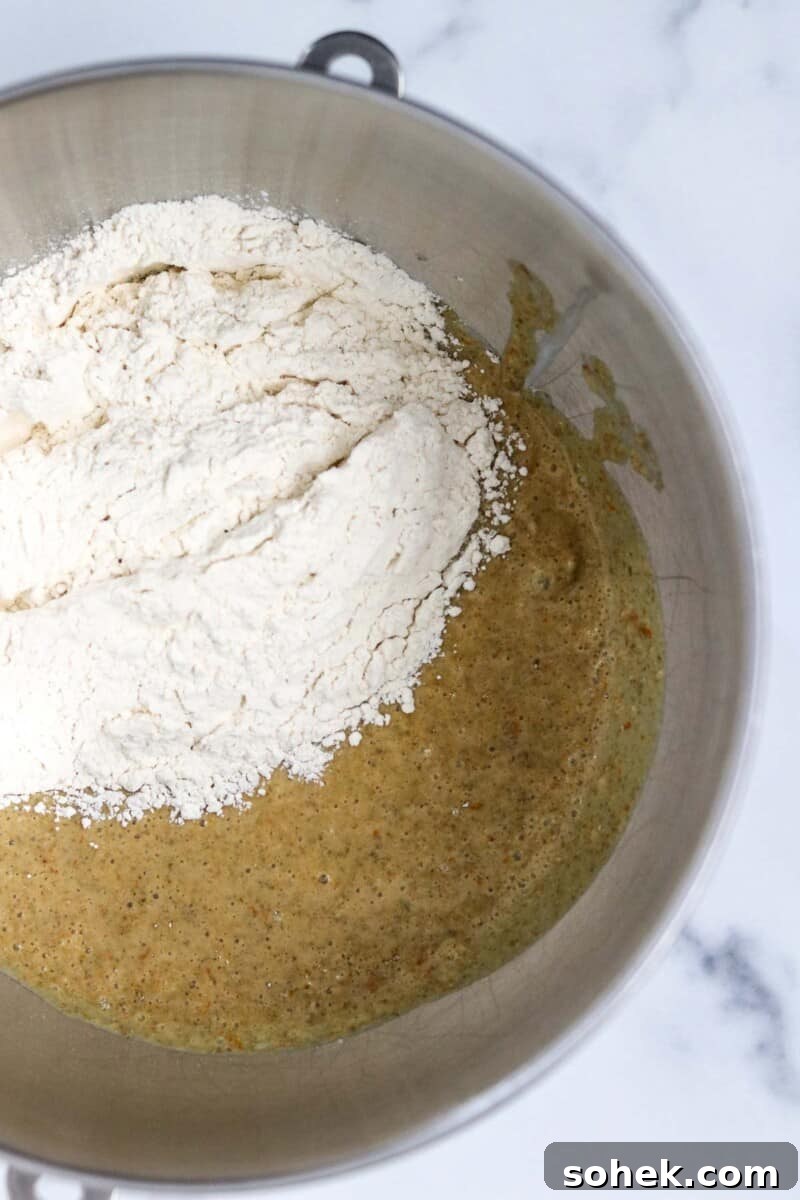
- In the stand mixer bowl combine the cooled molasses mixture and the buttermilk. Add rye flour, salt, yeast and ground anise. Using the dough hook, mix on low until combined, then add bread flour. Continue mixing on medium-low until the dough pulls together. Increase speed to medium and knead until smooth and the dough clears the bowl, about 4 minutes. Kneading by hand works too but takes longer.
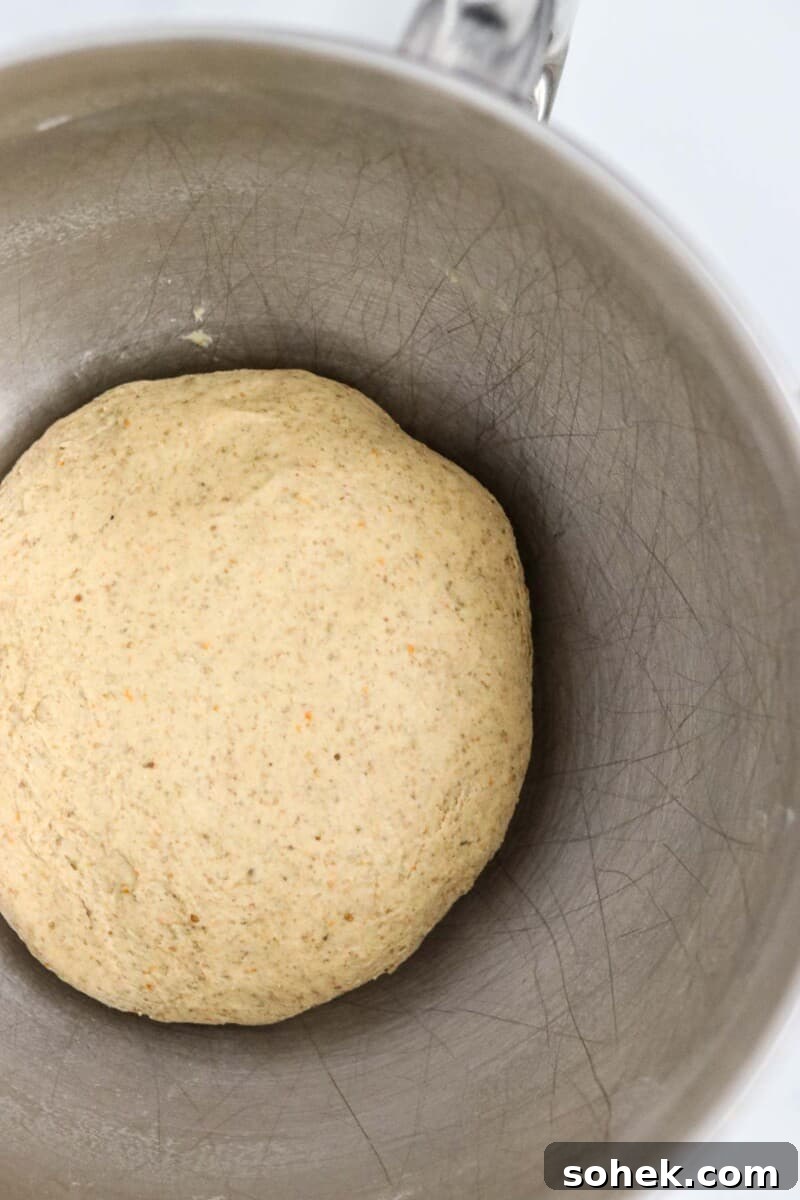
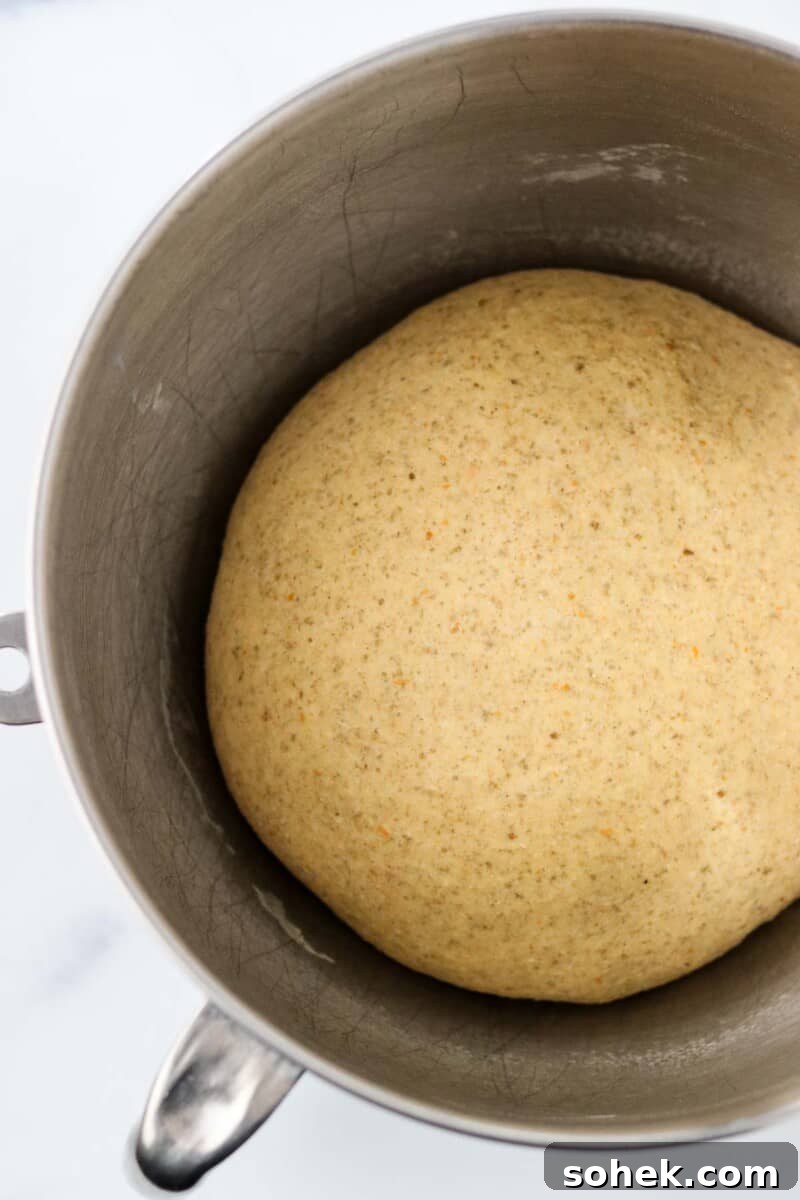
- Cover the bowl and let the dough rise at room temperature until doubled, about 1½–2 hours depending on kitchen temperature.
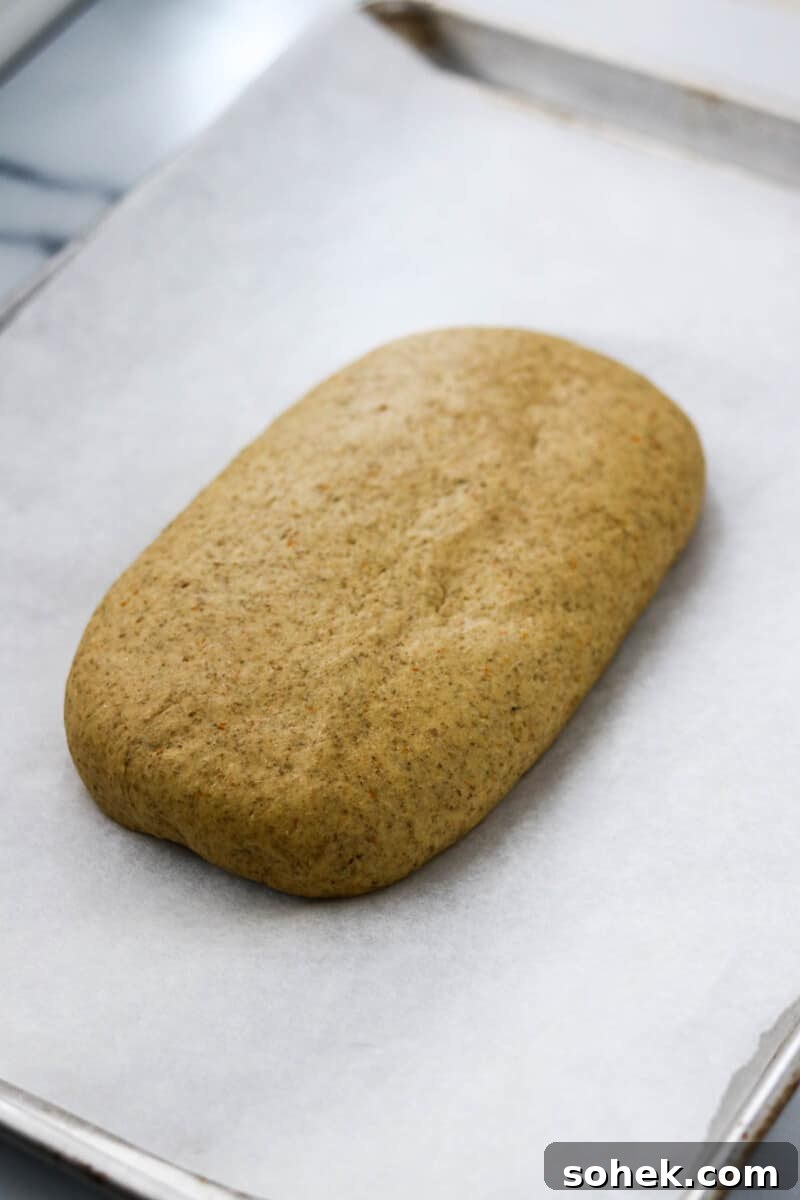
- Punch down, transfer to a parchment-lined baking sheet, fold the dough in on itself and shape into an oval about 1½ inches high. Cover lightly and let rise another 45–60 minutes. Preheat oven to 375°F (190°C).
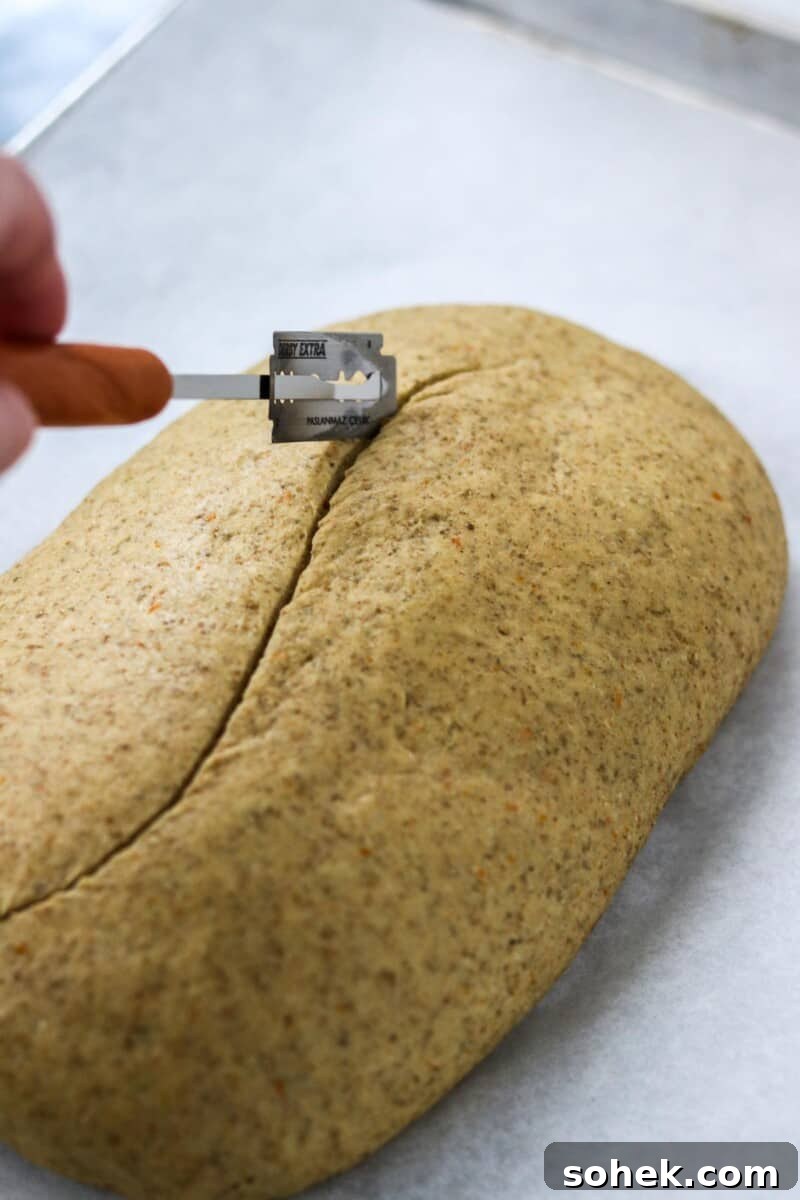
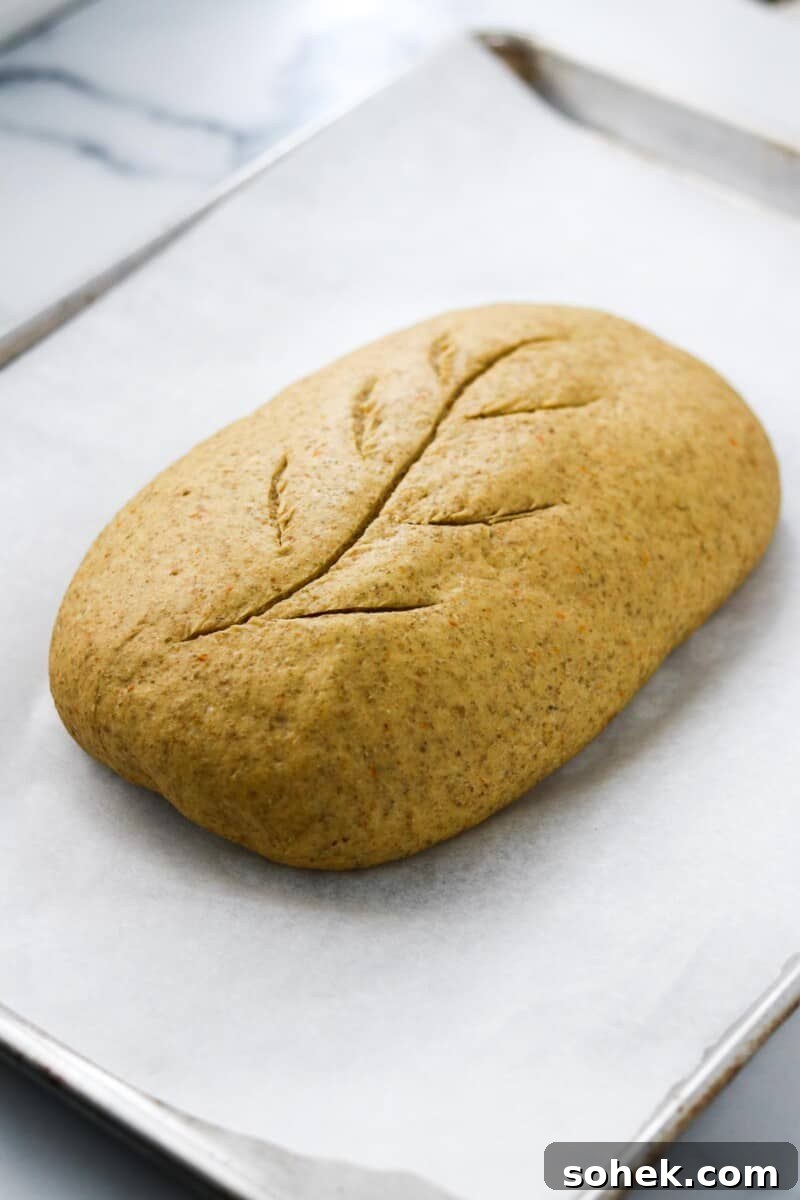
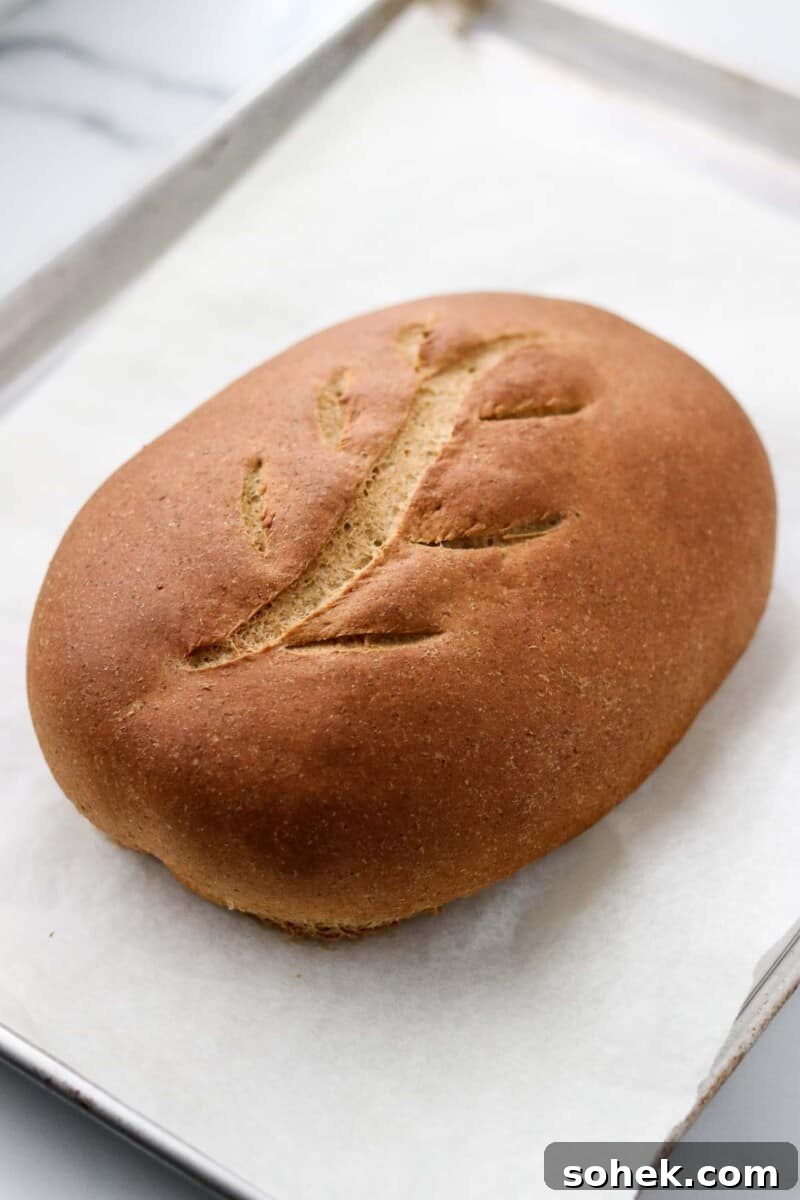
- Score the top of the loaf with a sharp knife or razor blade to allow controlled expansion during baking.
- Bake until golden brown, about 30–35 minutes. The internal temperature should reach at least 198°F (92°C). Transfer to a wire rack and cool completely before slicing.
Expert tips
These tips will help you get consistent results with Limpa:
- Ensure the molasses/butter/water mixture is not too hot when added to the dough—liquids above 120°F can damage yeast. Aim for 90–95°F, just warm to the touch.
- Use instant yeast for convenience and reliability. If substituting active dry yeast, proof it in warm liquid first (see FAQs).
- Scoring the loaf controls where the bread expands in the oven and improves appearance.
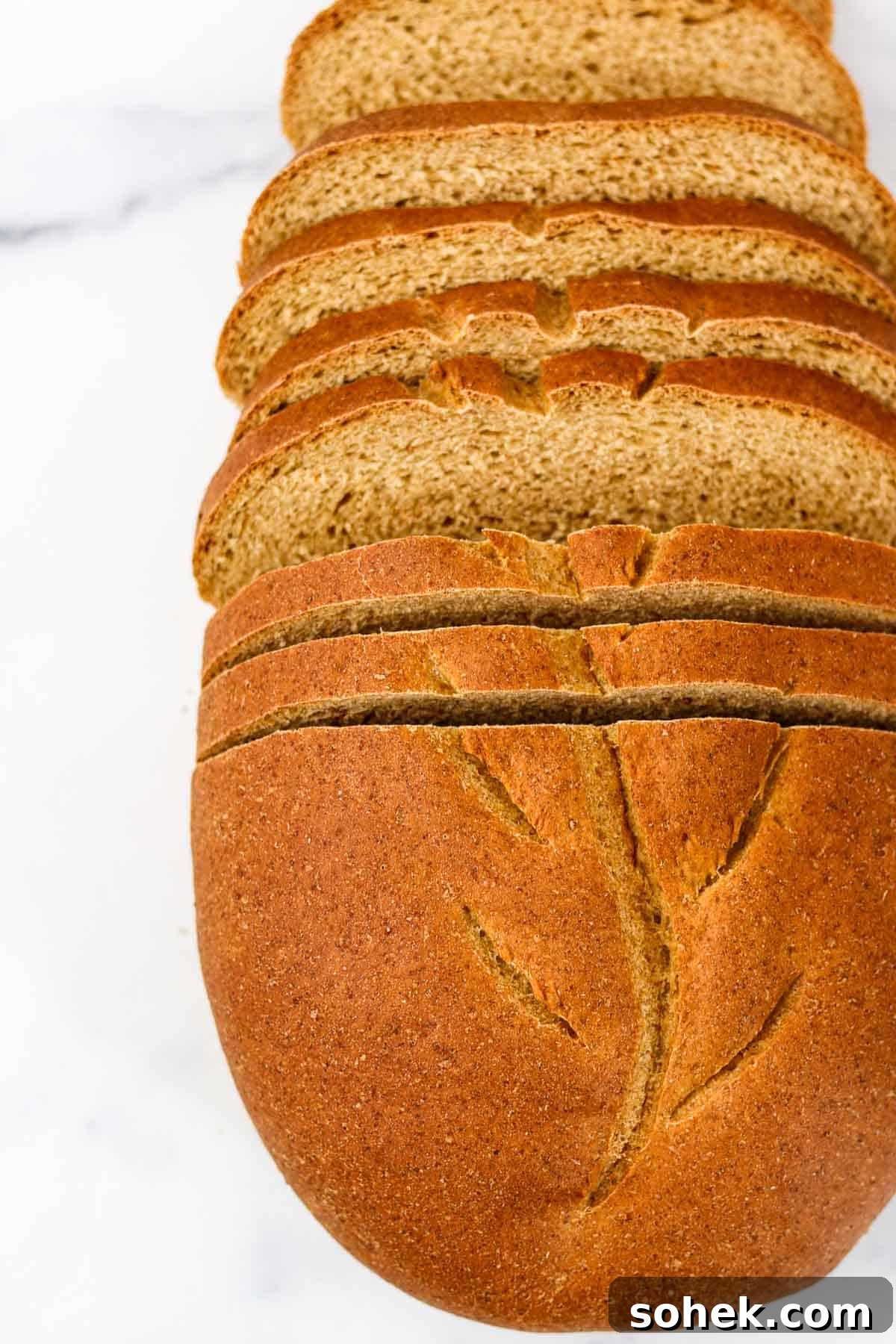
- Let the loaf cool fully before slicing to achieve clean slices—use a serrated bread knife for best results.
FAQs
Limpa simply means “loaf” in Swedish.
No. Many American versions include orange and spices like anise, fennel or caraway, while other family or regional recipes may differ.
Yes. For a plainer loaf, leave out the zest and anise. A simpler version is common in some Swedish households.
Make a substitute by adding 1 tablespoon lemon juice or white vinegar to a cup measure, then fill to 1 cup with milk. Let sit 10 minutes before using.
Yes. If using active dry yeast, stir it into the warm molasses/butter/water mixture (90–110°F) and let it proof for 10 minutes before adding to the dough.
Yes. Use a plant-based milk to make the buttermilk substitute and replace butter with vegan butter or neutral oil.
Wrap the completely cooled loaf tightly in plastic and keep at room temperature. It’s best the first 24 hours but will stay good for 3–4 days.
Yes. Wrap the cooled loaf in plastic, place in a freezer bag and freeze for 2–3 months.
Related recipes
If you enjoy Scandinavian breads, try other Nordic loaves and open-faced sandwich bases. Toasted Limpa also makes an excellent base for savory toppings like blue cheese and pear compote.
This fragrant, moist Swedish Limpa is a family favorite—I hope you try it and enjoy sharing it with friends and family.
Recipe
Swedish Limpa Bread
Ingredients
- 2 tablespoons butter
- 2 tablespoons water
- 2 tablespoons molasses
- Zest of 1 orange
- 1 cup buttermilk (230 grams)
- ¼ teaspoon baking soda
- 1 teaspoon anise seed, toasted and ground (or 1 teaspoon ground anise)
- 1 teaspoon fine salt
- 2 teaspoons instant yeast
- 1 cup dark rye flour (140 grams)
- 2 cups bread flour (280 grams)
Instructions
- Combine butter, water, molasses and orange zest in a small saucepan and heat to a simmer. Remove from heat and cool until just warm to the touch.
- Stir baking soda into the buttermilk and set aside.
- Add the buttermilk mixture and molasses mixture to the mixer bowl.
- Add ground anise, salt, yeast and rye flour.
- With the dough hook, mix on medium-low until combined. Add bread flour and mix until the dough clears the sides. Increase to medium and knead about 4 minutes (longer if kneading by hand).
- Cover and let rise at room temperature until doubled, about 1½–2 hours.
- Preheat oven to 375°F. Punch down dough, shape into an oval about 1½ inches thick, cover and let rise 45–60 minutes.
- Score the loaf, bake 30–35 minutes until golden and the internal temperature reaches at least 198°F. Cool completely on a wire rack before slicing.
Notes
- If using active dry yeast instead of instant, add the active dry yeast to the warm molasses mixture and let proof 10 minutes before adding to the dough.
- Score the loaf to control expansion. A sharp knife or razor blade works well; a lame makes scoring easier for frequent bakers.
- Allow the loaf to cool completely before slicing for the cleanest slices.
Nutrition
Carbohydrates: 31 g |
Protein: 6 g |
Fat: 4 g
Mention @TrueNorthKitchen or tag #truenorthkitchen on Instagram.
If you enjoyed this recipe, please leave a star review and share a photo of your Swedish Limpa on Instagram using the hashtag #truenorthkitchen.