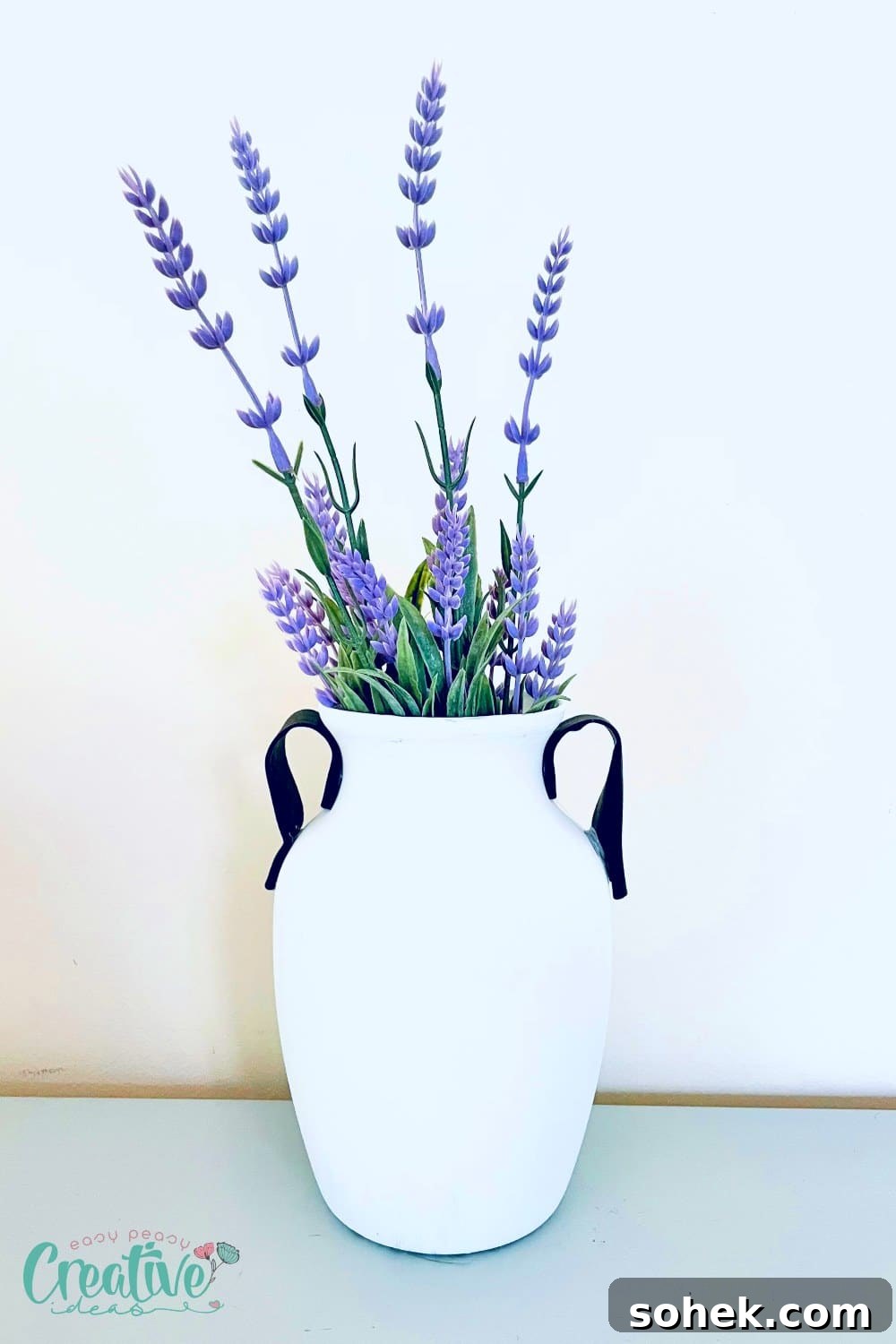
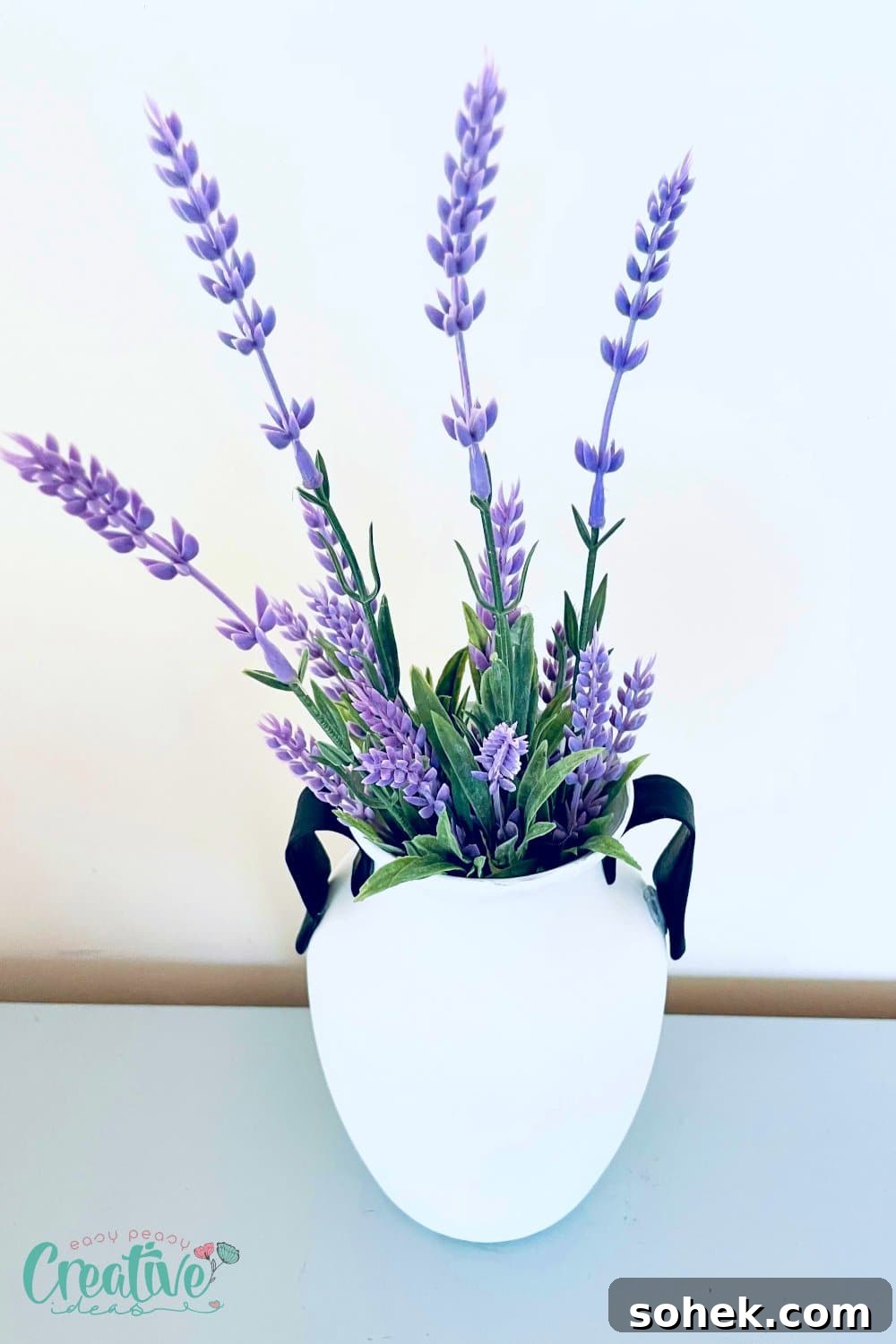
Making your own vase is an easy and affordable way to add a personal touch to your home décor. With a few simple supplies—many found at the dollar store—you can create a Pottery Barn–inspired vase in minutes. Gather your materials and try this quick DIY project to give your space a stylish, handmade accent.
DIY vase
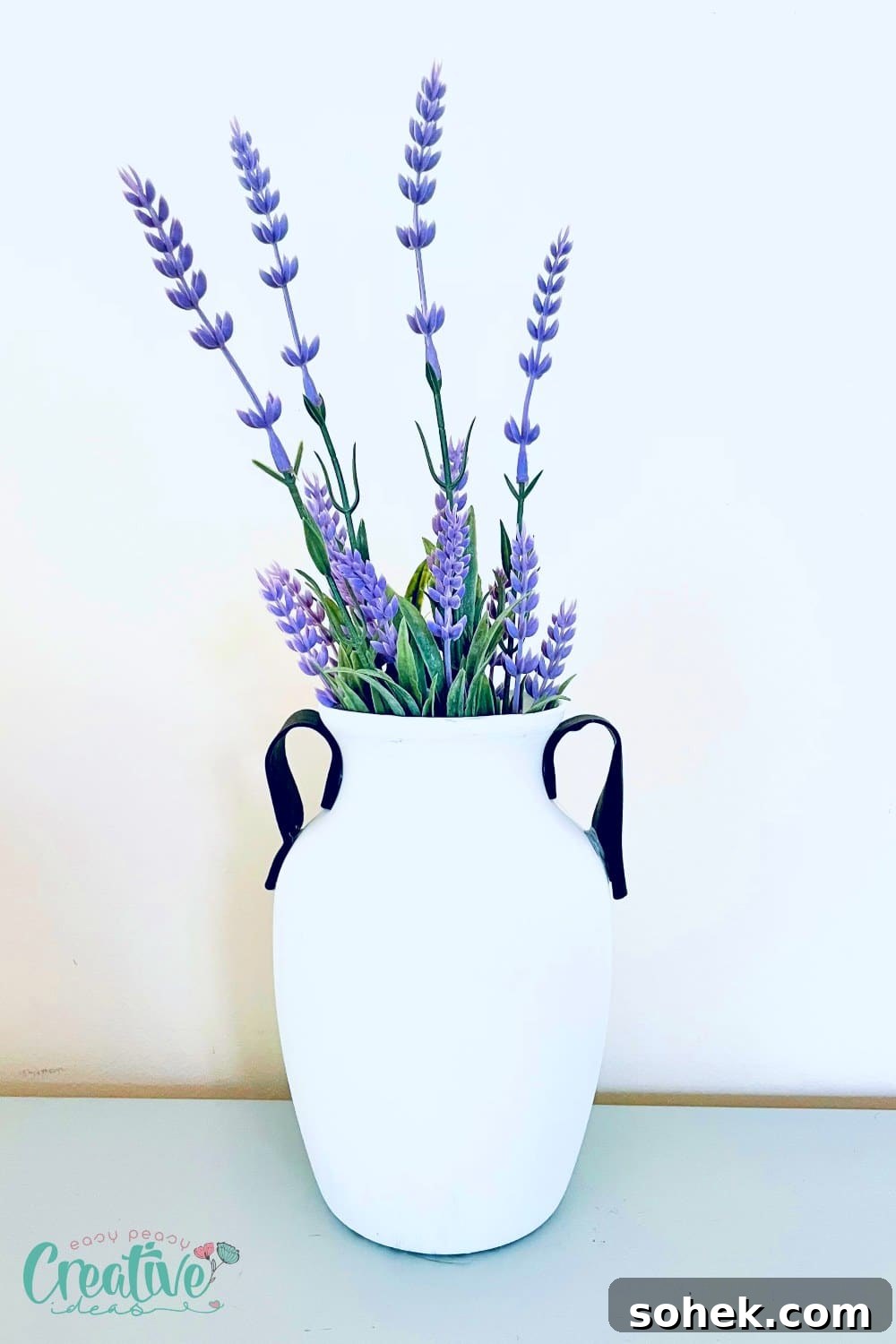
Pottery Barn pieces can add a classic, curated feel to your home, but buying every item from a designer brand gets expensive. Fortunately, you can recreate that look with thrifted or dollar-store finds and a few craft supplies. This simple project transforms an ordinary glass vase into a rustic, upscale-looking piece without a big price tag.
This craft works well for refreshing old vases or making something new from scratch. It’s quick and beginner-friendly—an ideal weekend project you can even do with older kids (younger children will need supervision). The result is a chic, farmhouse-inspired vase that elevates any arrangement.
Other vase tutorials you will love:
- Plastic bottle flower vase craft
- Adorable rain boot vase
- DIY pumpkin vase centerpiece
- Pastel spring vase DIY
Materials you need
You don’t need expensive supplies to make a Pottery Barn–inspired vase. With the right items, you can turn low-cost glassware into a lovely décor accent.
For this project you’ll need:
- Glass vase – A clear glass vase works best. Dollar stores and thrift shops are great places to find inexpensive options. You can also use glass jars, bottles, or mason jars for the same effect.
- Chalk paint – Chalk paint gives a matte, rustic finish that adheres well to glass. Its texture helps cover the slick surface without visible streaks.
- Faux leather – Use a small strip of faux leather for decorative handles. Black looks modern, but you can pick any color to match your décor.
Tools: sharp scissors or rotary cutter, ruler, paintbrush with soft bristles, and a hot glue gun. These basics make cutting, painting, and attaching handles simple and precise.
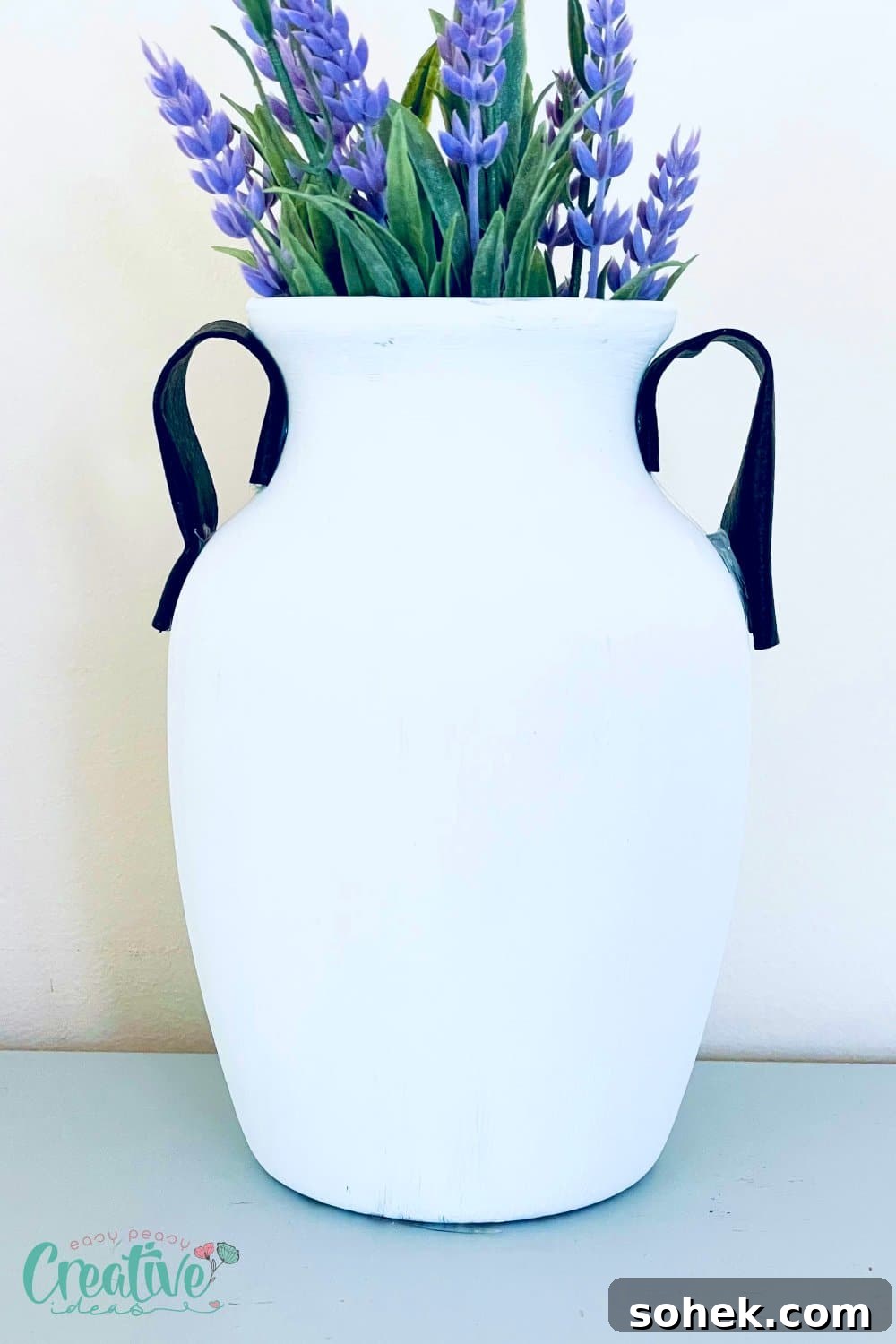
Tips for painting glass
Painting glass can be challenging if you don’t prepare the surface. Follow these tips for a smooth, long-lasting finish:
- Clean the glass – Remove any waxy coating, oils, or dust using rubbing alcohol on a paper towel or cotton ball. Let it dry before painting.
- Choose the right brush – Soft-bristle brushes help prevent streaks and leave a smooth surface.
- Use suitable paint – Chalk paint offers a matte, rustic finish and often contains primer. For a glossy finish, consider enamel or glass-specific spray paint.
How to make paint stick to glass
To ensure paint adheres well:
- Start with a thoroughly clean surface free of dirt and oils.
- Use a primer designed for glass if your paint doesn’t include one—this creates a better bond.
- If adhesion is poor, lightly scuff the surface with very fine-grit sandpaper, then wipe clean before painting.
Sealing and drying
Seal painted glass with a clear sealant to protect the finish from scratches and wear. Follow the product instructions for curing times. Drying time varies by paint: chalk paint typically dries within 30–60 minutes, while other paints or sprays may require 24 hours before handling.
Heat setting and finish options
Some enamel paints require heat curing, which involves baking per the manufacturer’s instructions—usually at a low temperature for a specific time. Always read paint labels before attempting heat curing.
Creating a rustic, vintage look
For a distressed, vintage appearance choose chalk paint. Once dry, lightly sand high spots to reveal subtle wear. A damp cloth can also soften or remove small areas for a softer distressed look.
Working with faux leather
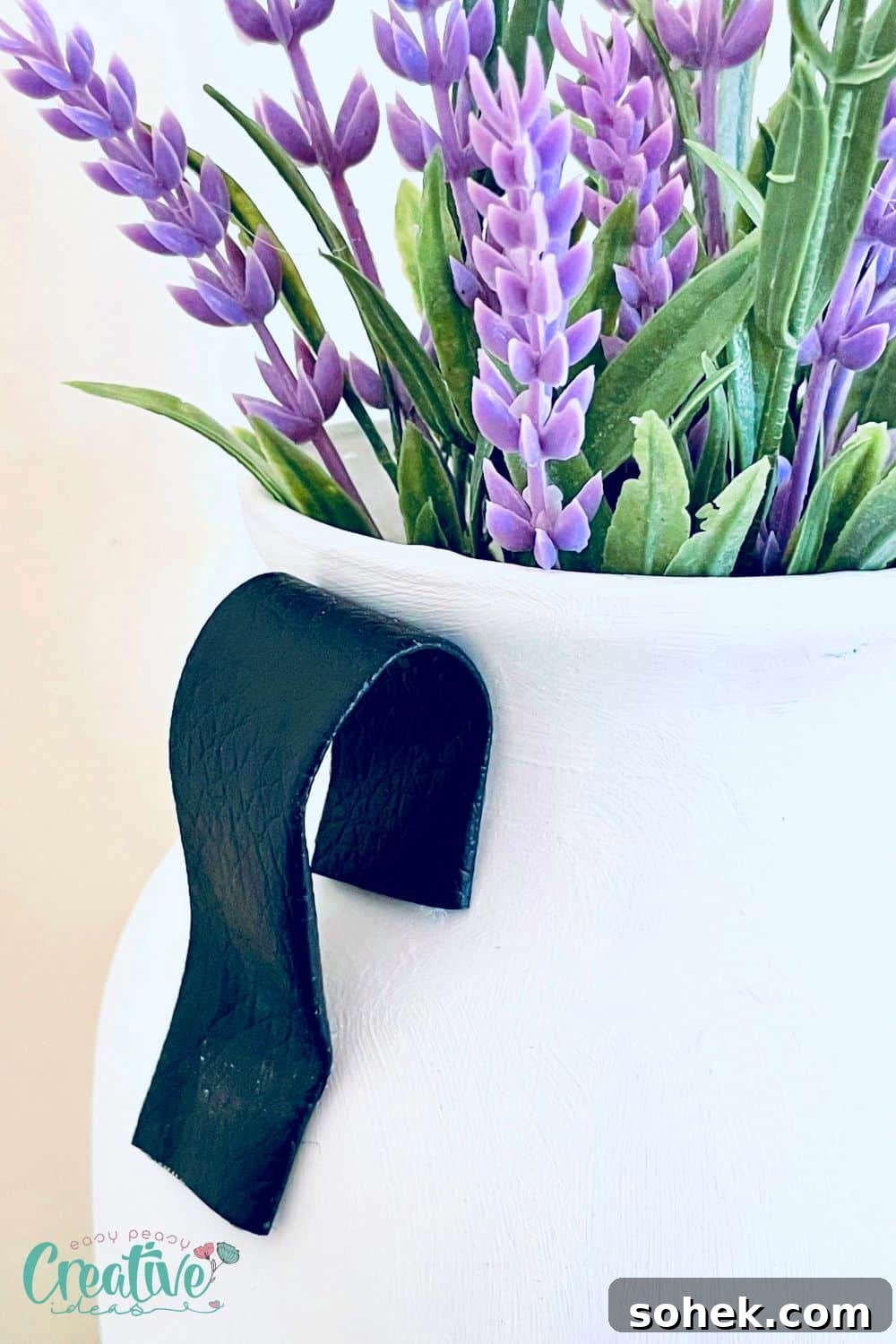
Faux leather is easy to cut and glue for decorative handles. Use a sharp blade or rotary cutter for clean edges. Measure with a ruler so both handles match. Attach with hot glue for a secure bond that won’t damage the glass.
- Rotary blade: gives the cleanest cut and is ideal when paired with a cutting mat.
- Cricut: use a deep-cut blade to cut consistent strips.
- Scissors: use only very sharp scissors if no other tool is available; cuts may be less precise.
Measuring and attaching handles
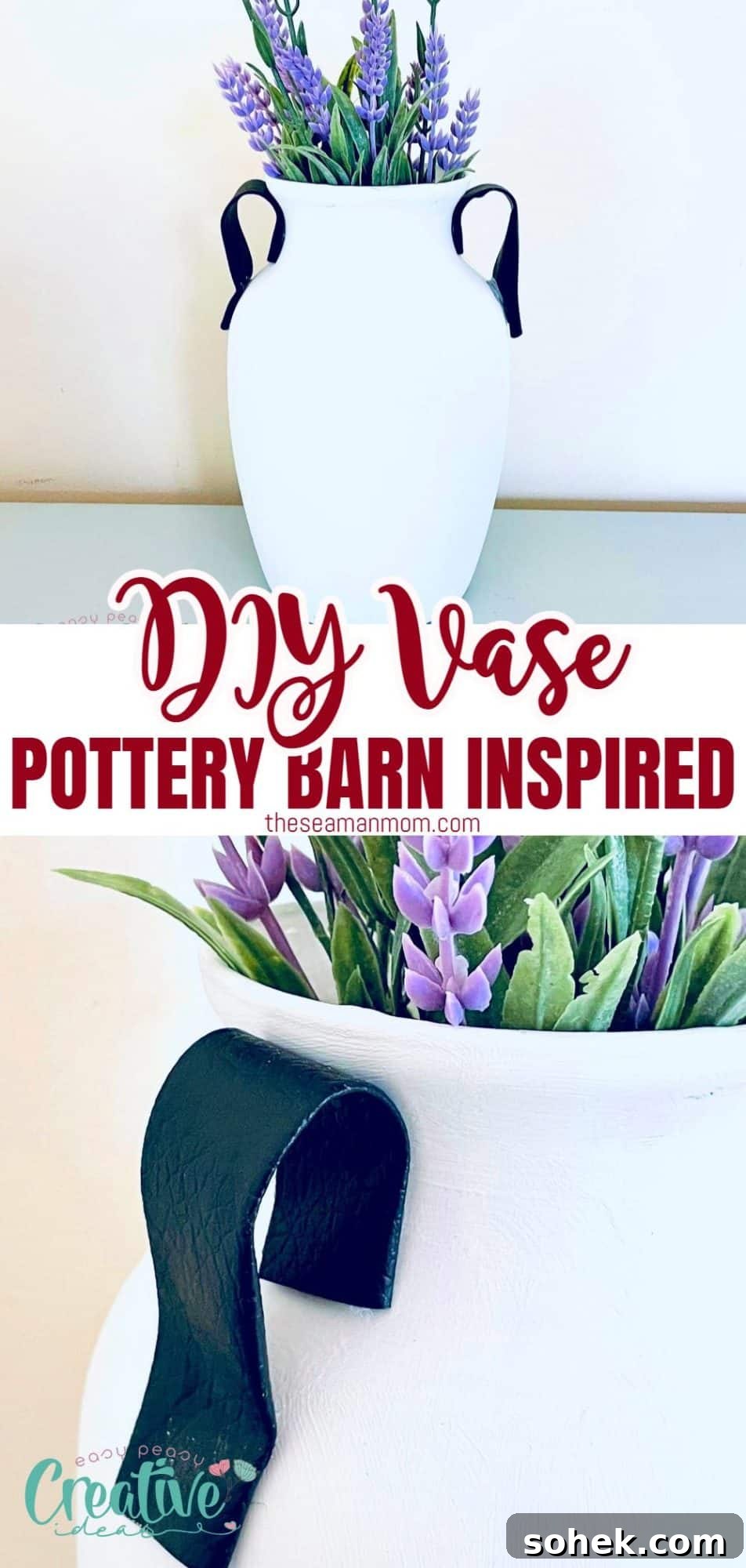
Measure and mark handle placement so both sides are even. Fold the faux leather over the vase rim as a decorative tab and secure with a dab of hot glue at the top and bottom curve to form a handle-like accent. These faux leather pieces are decorative only—avoid carrying the vase by them.
Real leather vs faux leather
Real leather can be used if you prefer; it will give a more luxurious feel but costs more. Cut and attach it the same way as faux leather.
Care and storage
Wipe painted glass gently with a damp cloth to clean. Store wrapped in a soft cloth in a safe place to prevent chips or scratches. If you repaint or refresh the finish, clean thoroughly beforehand.
Decoration ideas
Personalize your vase with additional embellishments:
- Wrap with twine, ribbon, or yarn for a rustic touch.
- Add a monogram sticker or label for a custom look.
- Paint with chalkboard paint to write messages or seasonal notes.
- Fill with fresh flowers, greenery, or use as a centerpiece for holidays or weddings.
- Embellish with beads, lace, gold leaf, or glitter for more glamour.
- Use as a candle holder for a soft, scented glow (ensure safety if mixing paint and heat).
With these techniques, you can make a beautiful glass vase that looks boutique-made without the expense. Try the project and adapt colors, textures, and embellishments to fit your style.
Step-by-step instructions
Follow these simple steps to make your own Dollar Tree–style Pottery Barn–inspired vase:
- Apply two to three coats of white chalk paint, allowing each coat to dry.
- While paint dries, cut two faux leather strips about 3 inches long and 3 inches wide.
- Fold one inch over the top edge and fold the remaining inch over that; secure the fold with hot glue.
- When the paint is fully dry, add a small dab of hot glue to the upper curved section of the vase and press the faux leather tab in place. Add glue to the lower section and fold the leather back to create a curved decorative handle. Repeat on the opposite side. Do not carry the vase by these handles—they are decorative only.
If you don’t have a hot glue gun, Mod Podge can work as an adhesive, but the handles will remain decorative and not weight-bearing. Even with hot glue, handle the vase carefully.
Creating your own Pottery Barn–inspired vase is an easy way to add a high-end look to your home without overspending. Use these tips and steps to make a vase that reflects your style, then experiment with colors, textures, and decorations to make more unique pieces.
Pin to save for later
DIY vase Pottery Barn inspired
10 mins
10 mins
30 mins
50 mins
Materials
- Dollar Tree or thrift store glass vase
- White chalk paint (or preferred color)
- Faux leather (black or color of your choice)
Tools
- Scissors or rotary blade
- Paintbrush (soft bristles)
- Hot glue gun
- Ruler
Instructions
- Apply two to three coats of white chalk paint, letting each coat dry completely.
- While paint dries, cut two strips of faux leather 3 inches by 3 inches.
- Fold one inch over to form a neat edge and glue the layers together with hot glue.
- When the vase is dry, add a dab of hot glue at the upper curved section, press the faux leather tab in place, then add glue at the lower section and fold to create a decorative handle. Repeat on the other side. Do not use these handles to carry the vase.