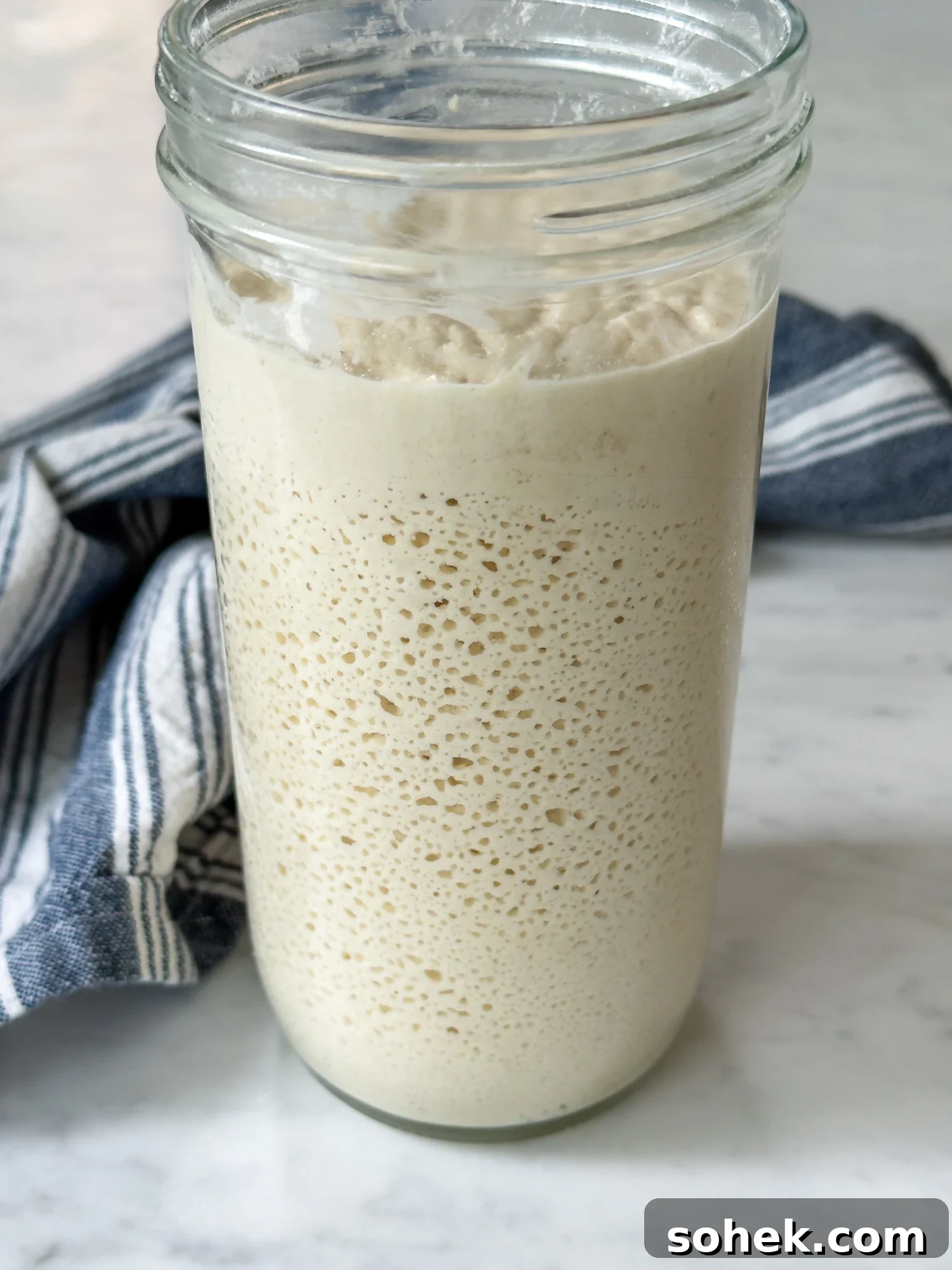
Dreaming of a classic artisanal sourdough with wild, yeasty aromas and deep flavor? It all begins with a reliable gluten-free sourdough starter. This beginner-friendly guide explains how to make an easy, active GF starter that becomes bubbly and strong. I’ve been where you are — uncertain and intimidated — and I’ll walk you through a straightforward method so your homemade loaf is closer than you think.
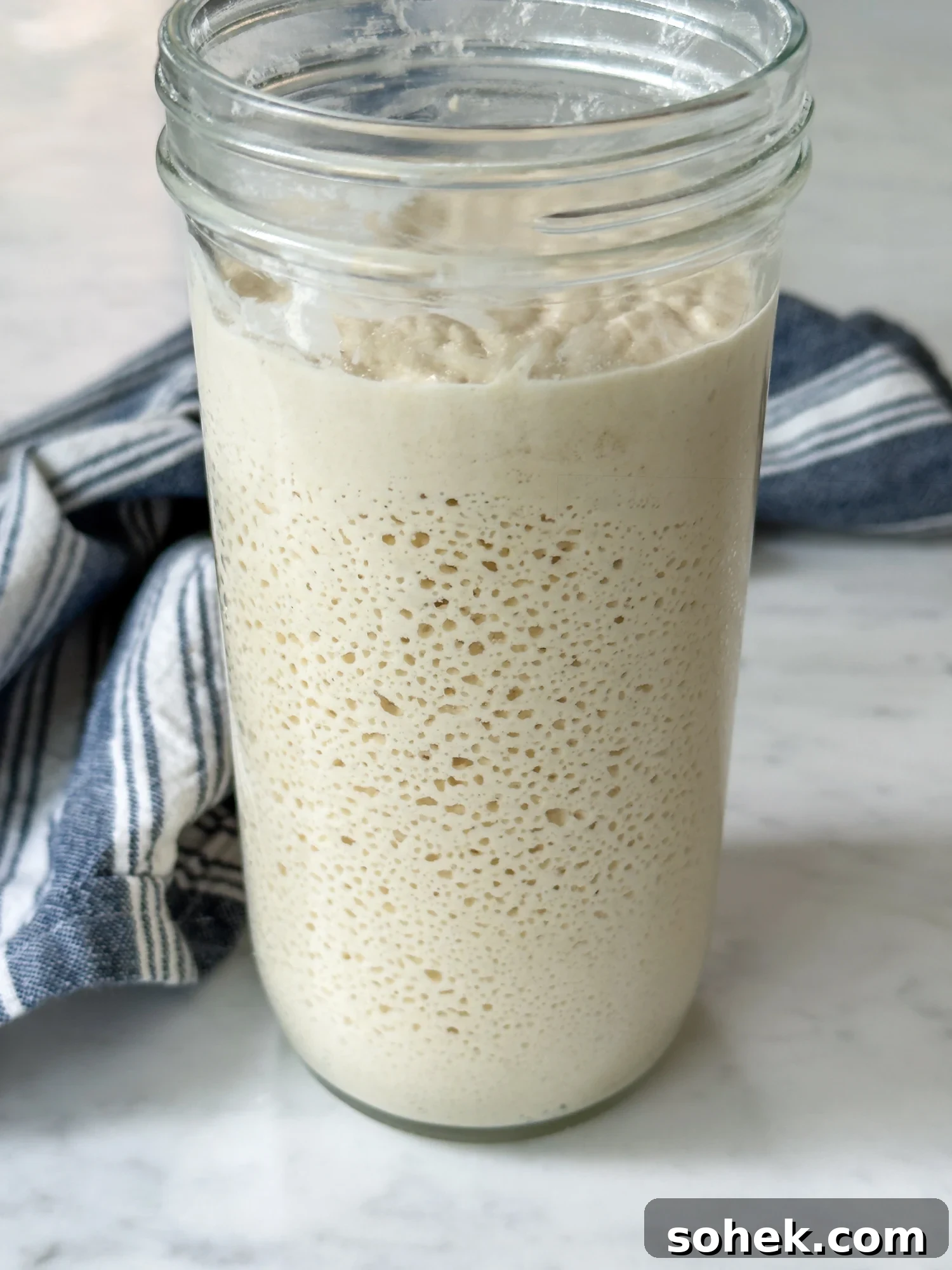
How To Make A Gluten-Free Sourdough Starter (Even As a Total Beginner)
If the terminology—feeding, discard, hooch, fermentation—feels confusing, you’re not alone. The foundation for any sourdough loaf is a healthy starter: a mix of gluten-free flour and water that’s nurtured until wild yeast and beneficial bacteria are active. My approach is practical and forgiving, designed for people new to sourdough who want predictable results.
I tested multiple approaches and simplified the essentials so you can focus on the routine rather than excessive experimentation. The method below aims for consistency: equal-parts hydration where needed, day-by-day feedings, occasional discards to manage volume, and patience while the culture matures.
Quick Glossary For Newbies
- Feeding – Adding fresh GF flour and water to your starter to provide food for the yeast and bacteria, encouraging growth.
- Discard – Removing part of the starter before feeding so you don’t accumulate too much and to refresh the balance of microbes.
- Hydration – The ratio of water to flour. For this starter use 100% hydration (equal weights of water and flour) so the texture is predictable and easy to maintain.
- Hooch – A liquid layer that can form on top when the starter is hungry. It’s harmless; stir it back in or pour it off and then feed.
Making a GF Sourdough Starter: Which Method Works Best?
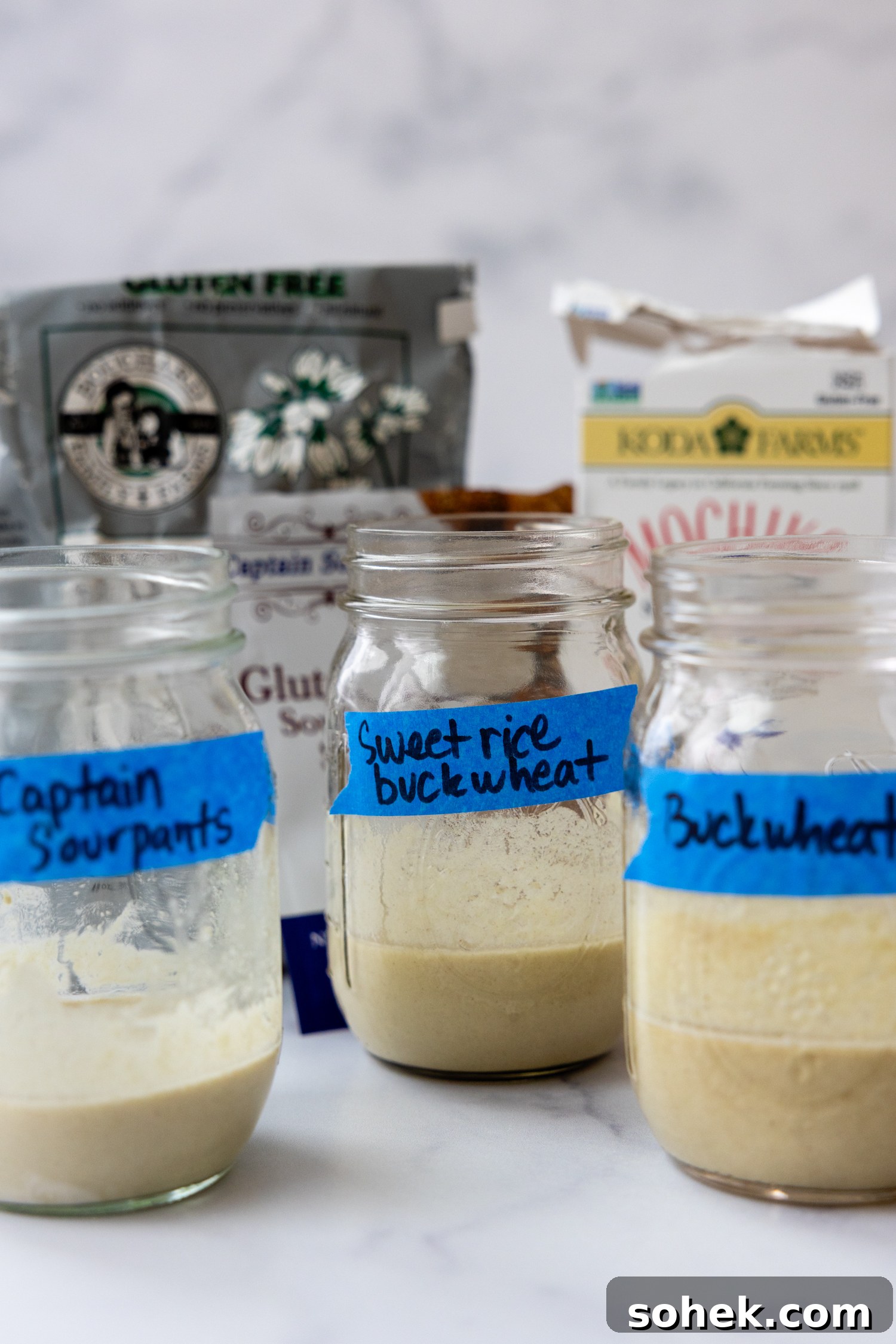
I experimented with three common approaches so you know what to expect.
Dehydrated starter (rehydrated) – A commercial dried starter packet contains active cultures that wake up once mixed with flour and water. It required feedings over about 7–10 days but became bubbly and aromatic the fastest. Good choice if you want quicker, predictable activation.
Combination of GF starches – Mixing grains like brown rice and buckwheat (plus occasional sweet rice) produced a starter that warmed up a few days later than the dehydrated option. Flavor matured over time and became more characteristic of sourdough as it developed.
Single-grain starters (buckwheat only or teff only) – Some bakers report success with single flours, but in my tests a single grain did not activate reliably. After nearly two weeks those starters showed little activity. Your mileage may vary, but if you’re a beginner, using a combination or a dehydrated starter offers more consistent results.
Avoid all-purpose gluten-free blends that contain gums; they interfere with starter performance. Reliable single-grain options include brown rice, buckwheat, sorghum, and teff. White rice and sweet rice can be incorporated, but rely primarily on the heartier brown flours for best results.
Schedule: Day-by-Day Starter Routine
(This section summarizes the step-by-step process. Exact ingredient weights are in the recipe card below.)
Day One
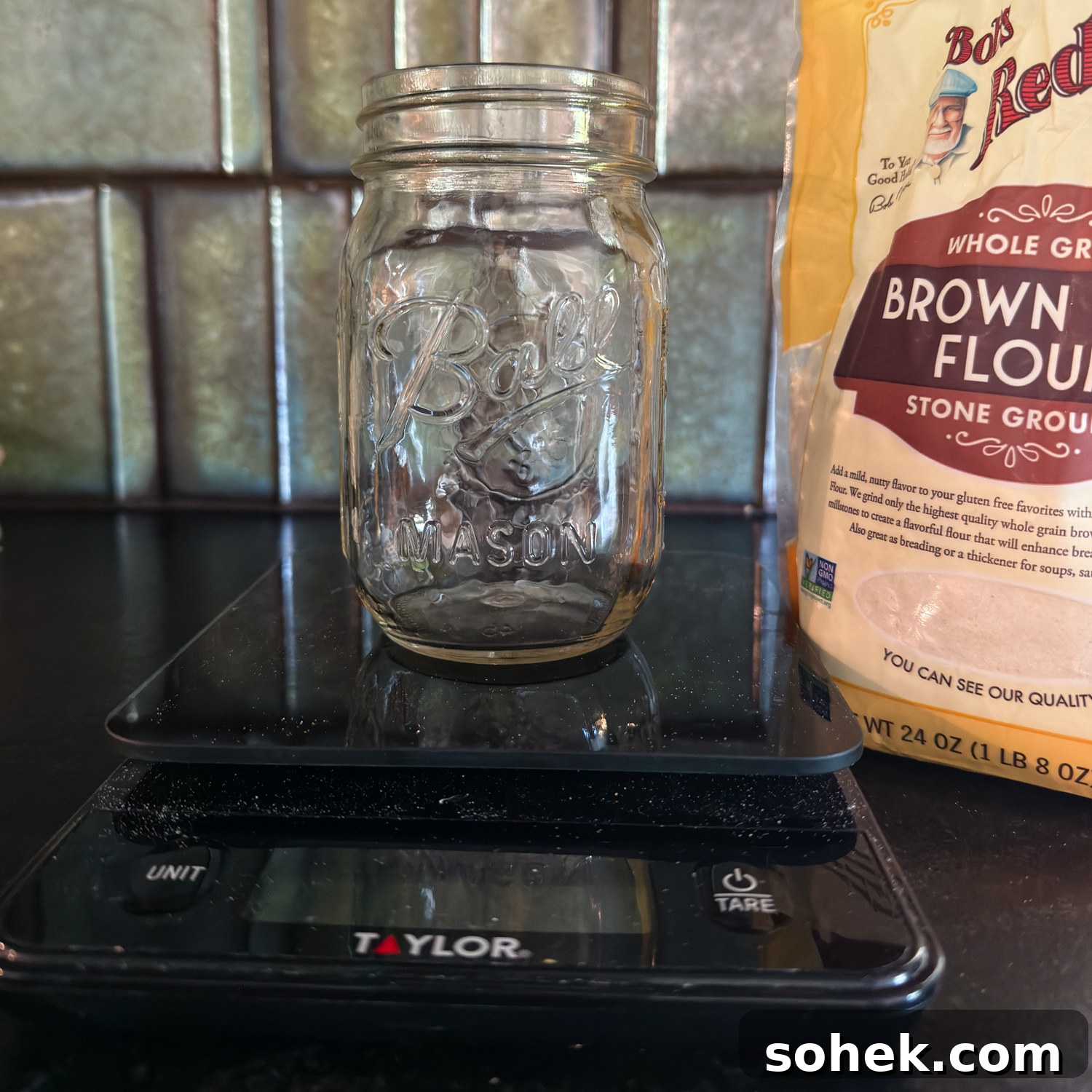
In a medium glass bowl or jar, add 50 g gluten-free flour (brown rice is a good start) and about 50–60 g water. Stir to a slightly thicker-than-pancake-batter consistency. Cover loosely so the culture can breathe but won’t dry out, and leave at room temperature for 24 hours.
Days Two–Four
Feed daily with about 30 g flour and 30–40 g water, keeping the consistency steady. Let it sit 24 hours between feedings. Expect slow changes at first.
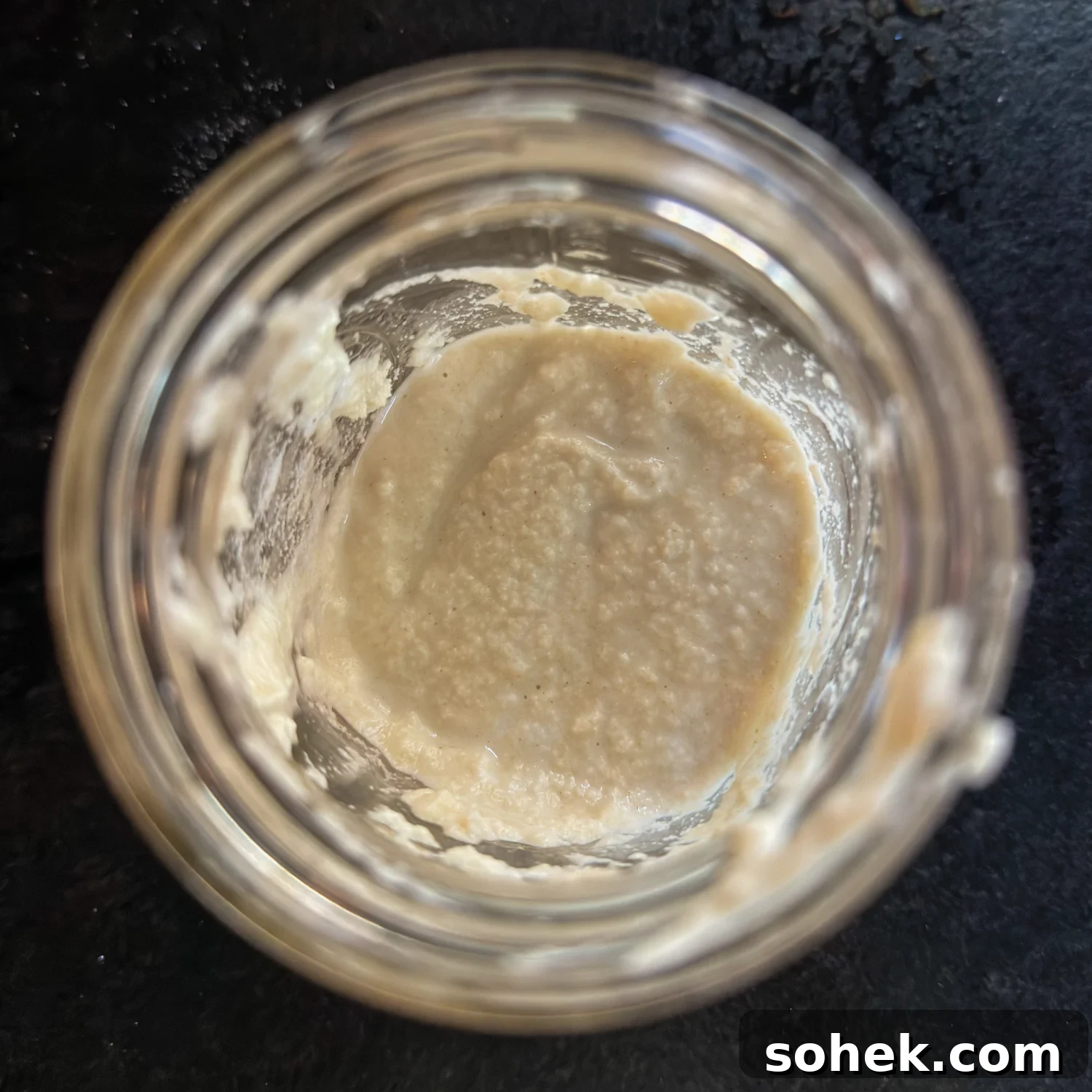
Days Five–Ten (roughly)
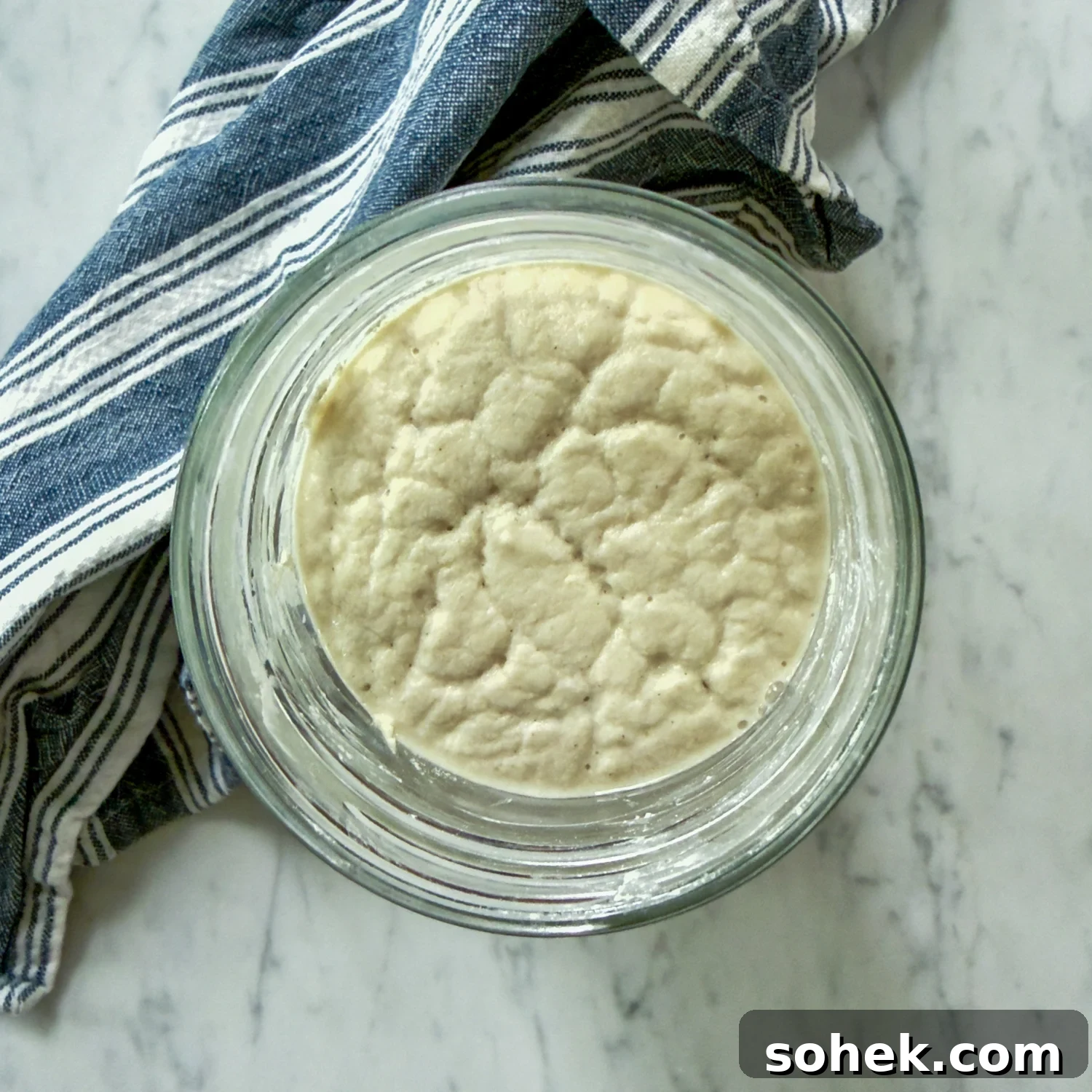
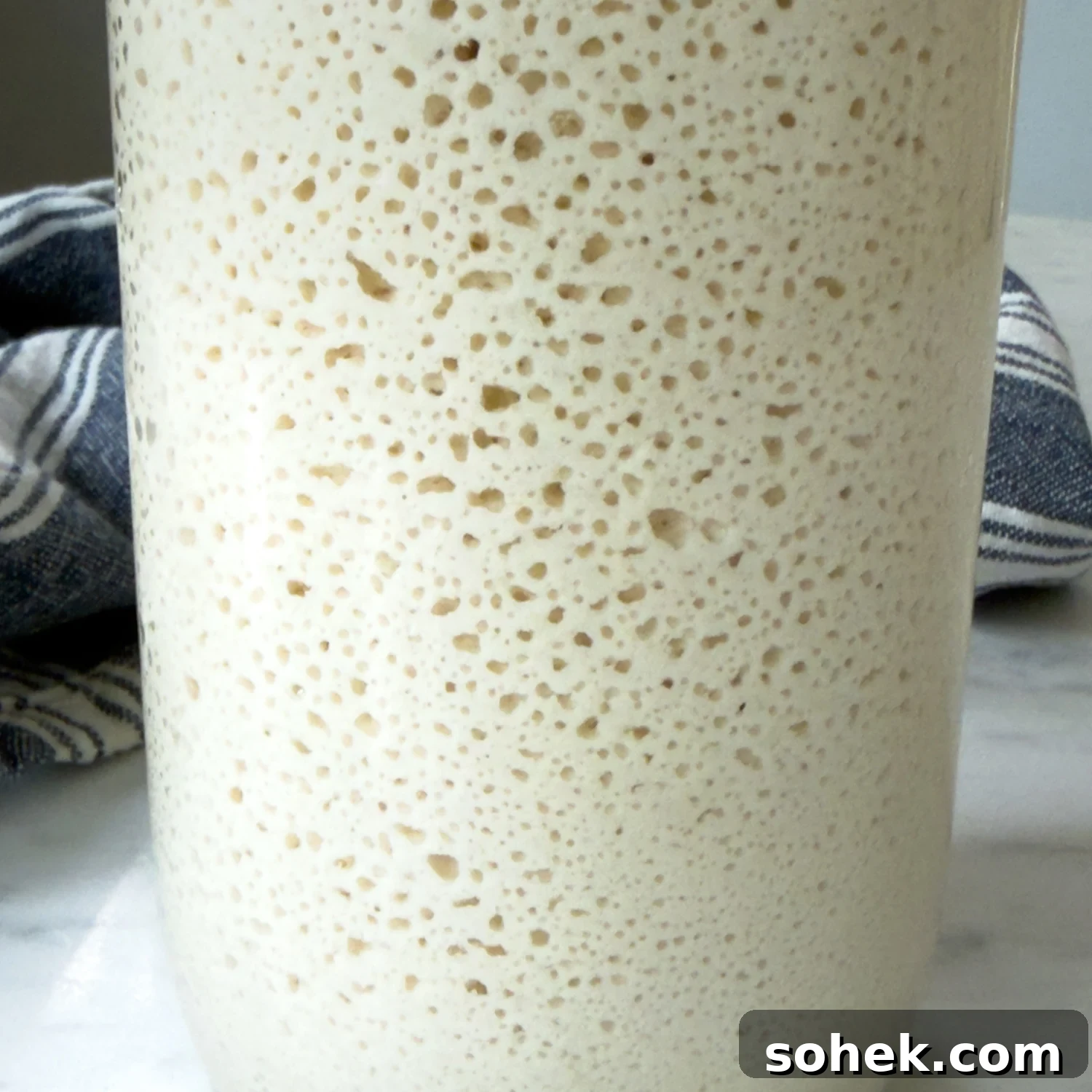
On day five discard about half the starter before feeding. After that alternate between feeding-only days and discard+feed days to avoid an excessive volume of starter. During this phase you should see bubbles, growth between feedings, and a yeasty smell. Continue to day 10 to establish a strong, reliable culture.
Most Commonly Asked Questions
What do I do with the discard? You can toss it or use it in baked goods that tolerate the flavor and hydration (pancakes, waffles, crackers). If substituting starter for commercial yeast, account for its flour and water weight and reduce the recipe’s flour and water accordingly.
Why isn’t my starter getting bubbly? Temperature is the most common reason—starters prefer about 70–80°F (21–27°C). Create a warmer spot by using the oven with just the light on, placing the jar on top of the refrigerator, or near a warm vent. Also avoid chlorinated tap water; use filtered or bottled water if needed.
How do I store it? If you bake daily, keep it loosely covered at room temperature and feed daily. For less frequent baking, store the starter in a lidded jar in the refrigerator. Feed before using; many bakers feed weekly, though you can maintain it by refreshing after use and returning it to cold storage.
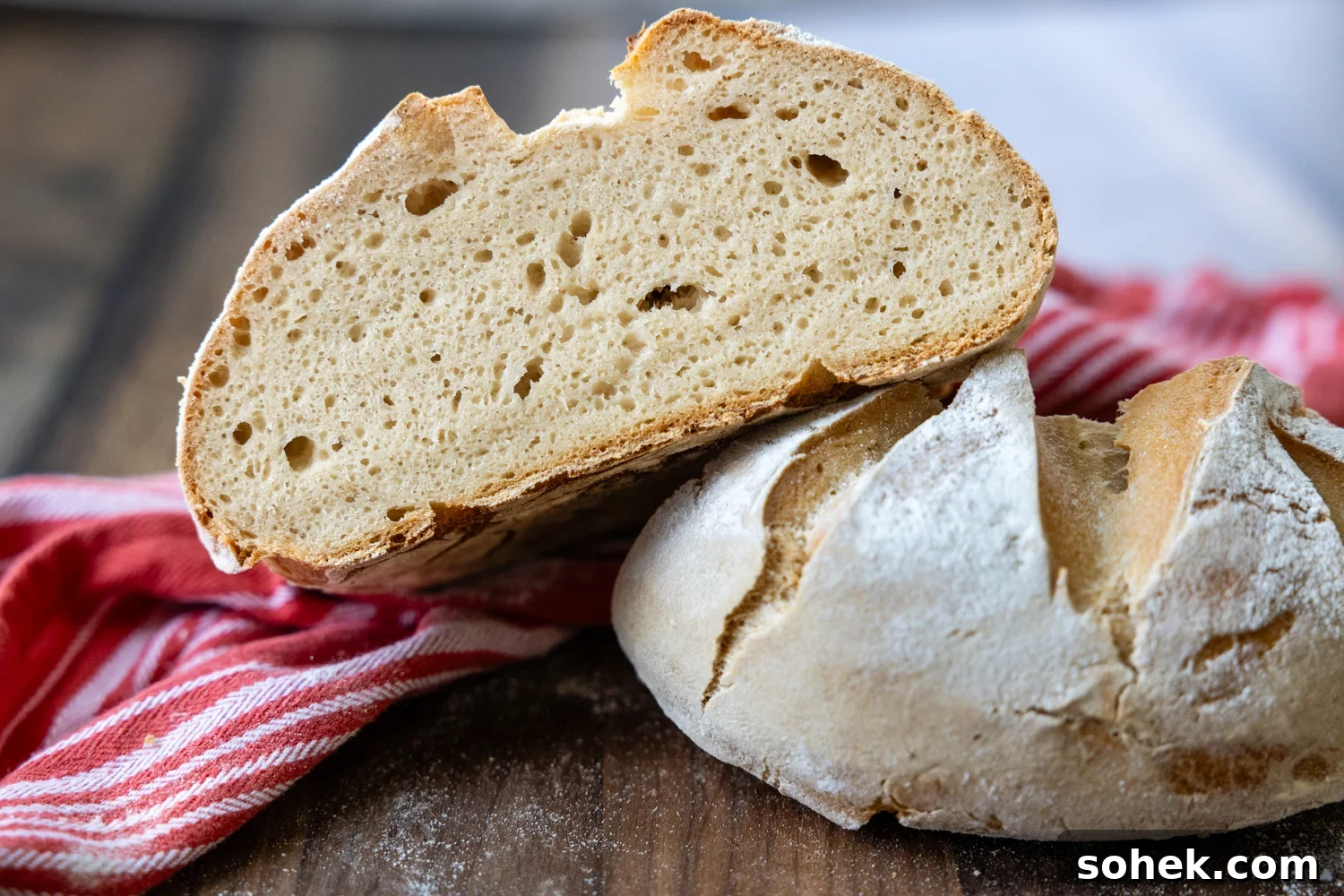
Did you try this starter? Share your experience below the recipe card — ratings and comments help others and I love hearing from you. —Melissa

Foolproof Gluten-Free Sourdough Starter
 Melissa Erdelac
Pin
Rate
Remove Ads
Ingredients
- gluten-free single grain flour, brown rice, buckwheat, teff, sweet rice flour — see notes
- water
Equipment
- Food scale
- Lidded glass jar or medium bowl
- Spoon for stirring
Instructions
-
Day 1 – In a large glass jar or bowl combine 50 g gluten-free flour and 60 g water. Stir to a slightly thick, pancake-batter texture. Cover loosely and leave at room temperature for 24 hours.
-
Days 2–4 – Each day add 30 g flour and 30–40 g water, keeping the same consistency. Stir, cover loosely, and let sit 24 hours between feedings.
-
Day 5 – Discard about half the starter, then feed with 30 g flour and 30–40 g water. Stir and let sit at room temperature.
-
Days 6–10 – Alternate between feeding-only days and discard+feed days to manage volume. By day 10 you should have a consistently active, bubbly starter with a pleasant yeasty aroma. If it becomes active earlier, continue the routine through day 10 to ensure strength.
-
When your starter is active and established, use it to bake your favorite gluten-free sourdough loaf, or transfer it to a lidded jar and refrigerate for storage. Feed before using after refrigeration.
Notes
Recommended Gluten-Free Flours
A dehydrated starter rehydrated with brown rice flour performed best in my testing for quick activation and aroma. If you’re building a starter from scratch, a mix of buckwheat and brown rice with a touch of sweet rice after a few days produced consistent results. Pure buckwheat or pure teff may work for some bakers, but in my trials they did not activate reliably.