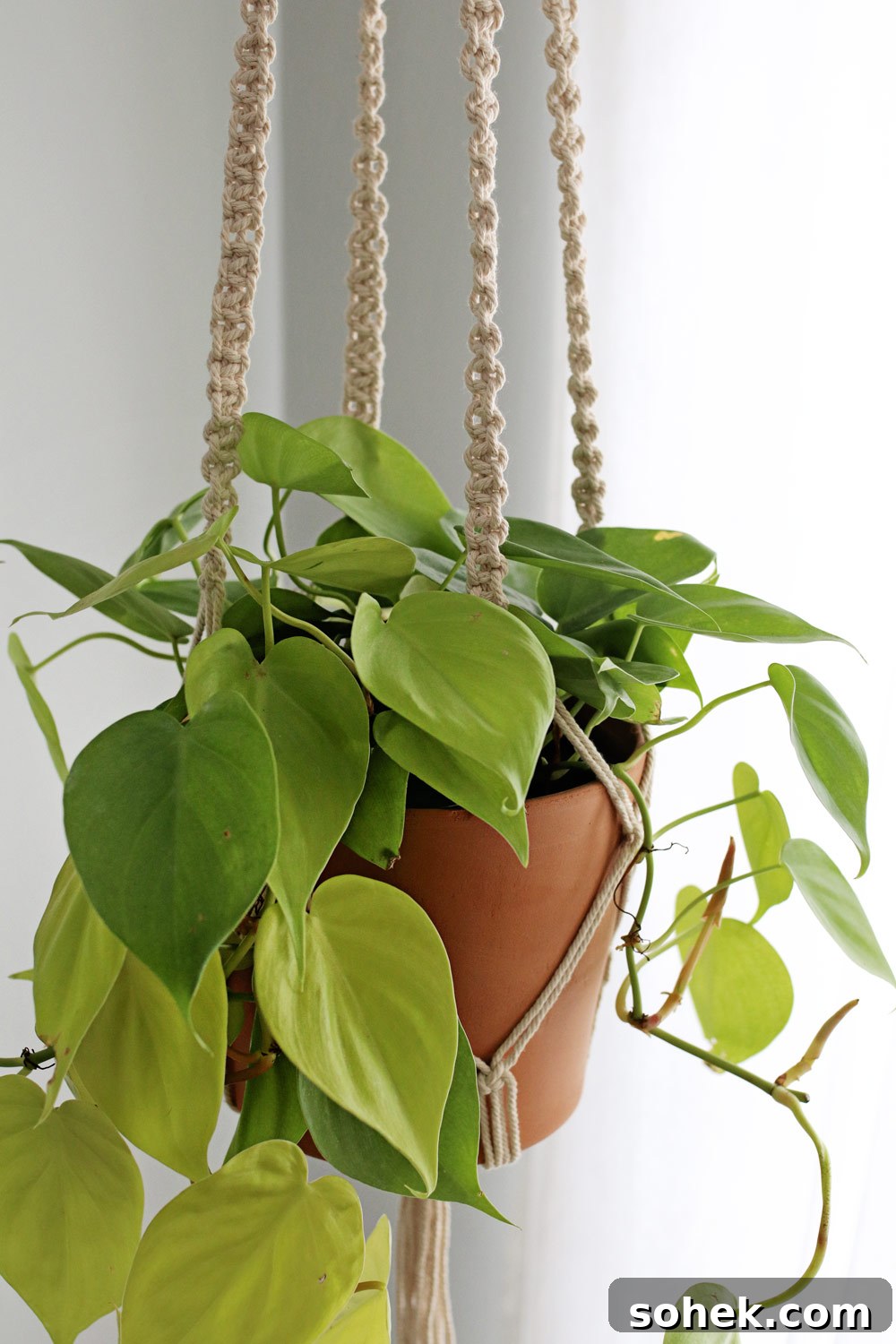
If you want to add a touch of green to a dim office, bathroom, basement, or any low-light corner, you don’t have to rely on dust-collecting artificial plants. Many real, living houseplants can survive—and even flourish—in low light conditions. With the right species and simple care, these plants bring life and freshness to spaces that receive little or no direct sunlight.
All plants need light to photosynthesize, but some species make do with indirect or artificial light sources, such as fluorescent bulbs or north-facing windows. Below are several easy-care options that perform well in low-light settings and tips for keeping them healthy.
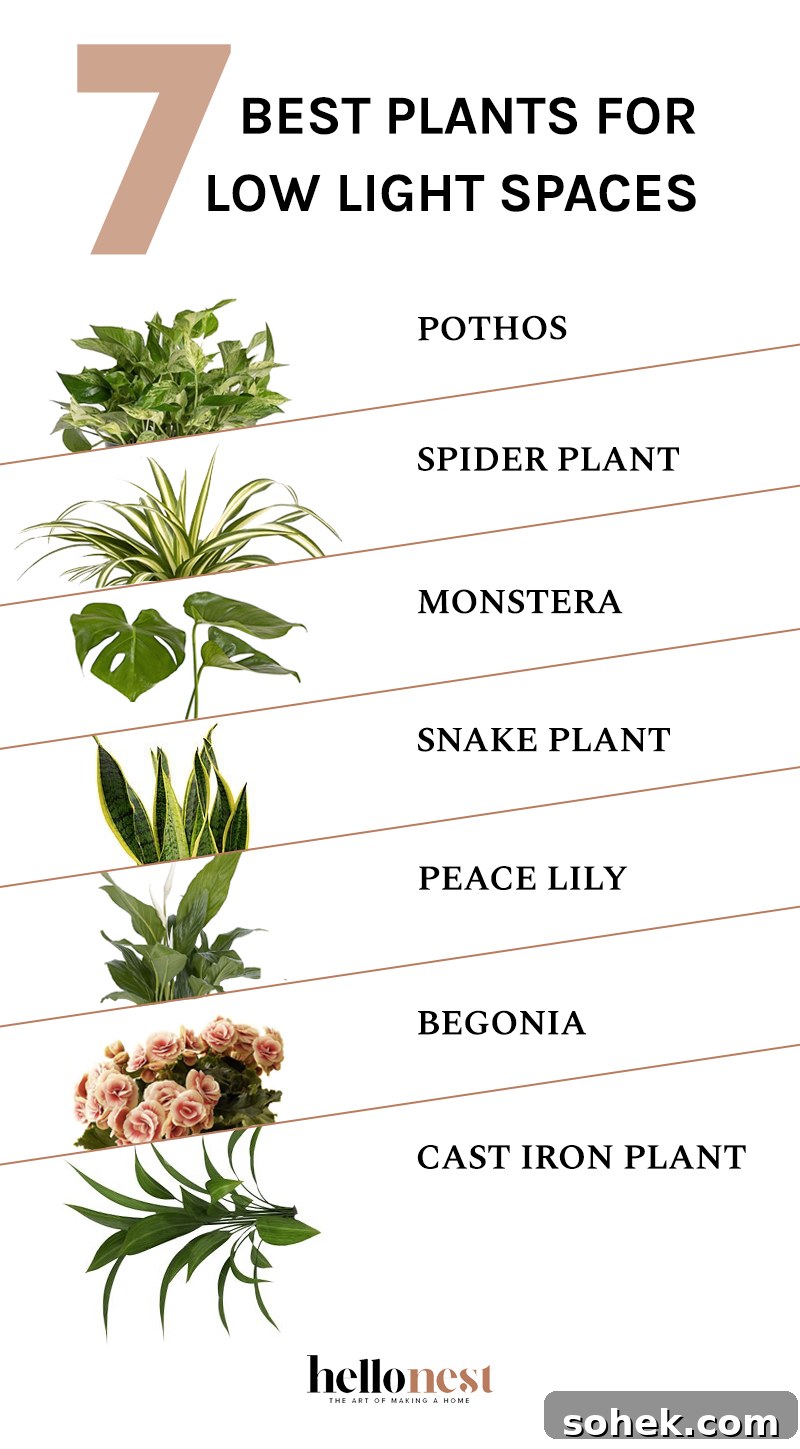
1. Pothos
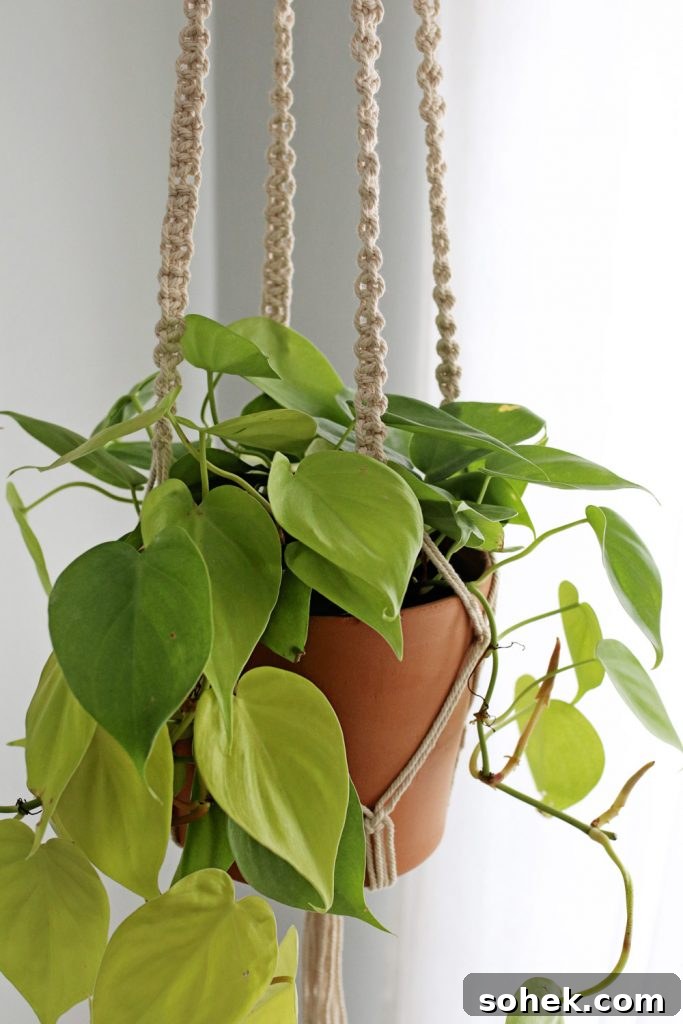
Pothos, often called Devil’s Ivy, is a trailing plant with bright green, heart-shaped leaves. It’s one of the easiest houseplants to care for and dislikes direct sun, making it ideal for bathrooms, shelves, or hanging planters. Pothos tolerates irregular watering and can be grown in soil or in a water-filled vase—just change the water regularly if using the latter.
2. Spider plant
The spider plant is a resilient, popular choice for hanging baskets. It prefers well-drained soil and a bit more frequent watering than some low-light plants, though it still tolerates dim conditions. Spider plants do well near a north-facing window or in indirect light and make attractive, easy-care additions to corners and shelves.
 Some popular, easy-to-find varieties of low-light plants can quickly brighten darker rooms and add visual interest without demanding constant attention.
3. Monstera
Monstera, sometimes called the “Swiss cheese” plant because of the distinctive holes in its large leaves, has a bold, tropical look that works well in modern interiors. It grows as a floor plant and appreciates a support like a pole or trellis to climb. Use a well-draining pot and soil, and allow the soil to dry between waterings. While Monstera tolerates low light, it thrives with some indirect sunlight. Wiping the large leaves occasionally keeps them dust-free and healthy.
 4. Snake plant (Sansevieria)
 4. Snake plant (Sansevieria)
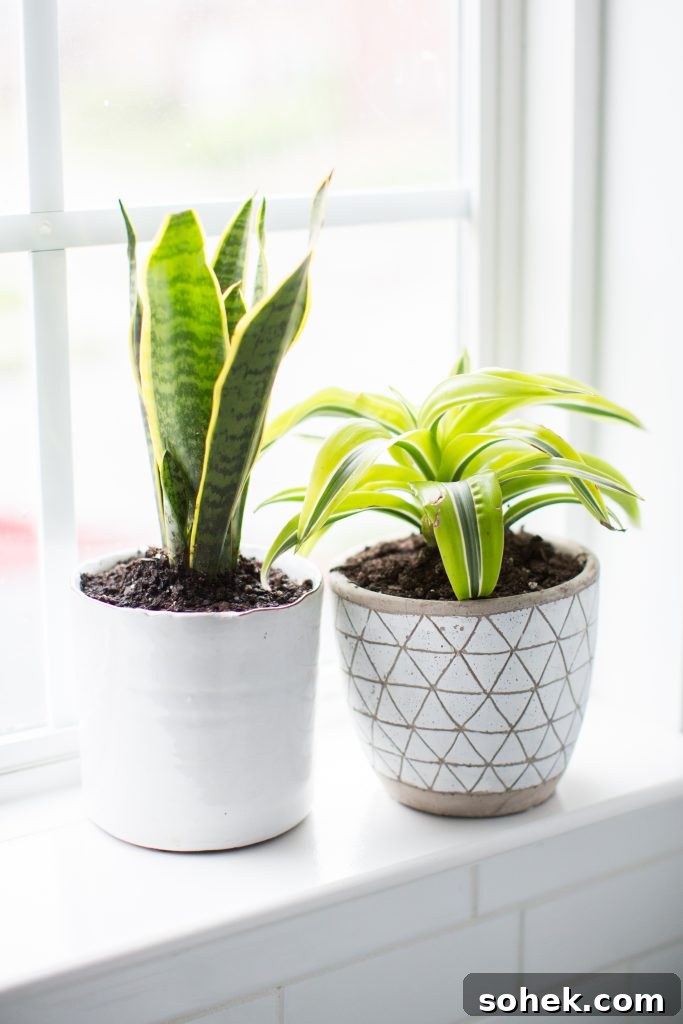
Snake plant, or Sansevieria, is succulent-like with thick, upright leaves that store water. It tolerates very low light and infrequent watering, making it perfect for desks, corners, or plant stands. Plant it in well-draining soil made for succulents, and let the potting mix dry completely before watering—when you do water, drench and allow excess to drain away.
5. Peace lily
The peace lily offers glossy green leaves and delicate white blooms. It can survive in lower light but will need some indirect light to produce flowers. Plant it in a pot with good drainage and keep the soil consistently moist without letting roots sit in standing water, as this can lead to root rot. Peace lilies are attractive choices for dim hallways or cubicles if you’re willing to water a bit more regularly.
6. Begonia
Begonias bring color and texture to low-light interiors and are available in many leaf shapes and hues. Choose varieties labeled for indoor use. Begonias prefer consistent watering but benefit from allowing the top layer of soil to dry slightly between waterings to avoid overwatering. They enjoy humidity, so misting occasionally or placing the pot on a pebble tray with water (keeping the pot elevated above the water) helps them thrive. East- or west-facing light is best, though they tolerate north-facing spots.
7. Cast iron plant
The cast iron plant is a classic choice for low-light spaces because it is exceptionally tough. It tolerates cool temperatures, minimal water, and very little natural light, which makes it a common office favorite. Water more regularly during spring and summer if it’s actively growing, and reduce watering in winter to let the plant rest.
Low-Light Plant Tips
What if I have no natural light?
Plants kept in rooms without natural light can still do well under artificial lighting if you provide about 12 hours of light per day. For healthy leaf growth, plants require blue-wavelength (cool) light, and for flowering, red-wavelength (warm) light. Full-spectrum light bulbs or cool white bulbs mimic natural light and work well; LED grow lights are another effective option. Rotating plants between darker rooms and spaces with indirect natural light also helps ensure they get the variety of light they need.
What if I have pets?
If you share your home with pets, be mindful that some common low-light plants can be toxic if ingested. Snake plant, Pothos, Monstera, Peace Lily, and certain begonias can cause problems for cats and dogs, while spider plants and cast iron plants are generally considered pet-safe. Keep potentially toxic plants out of reach or choose pet-friendly varieties to ensure your animals stay safe.
With the right plant choices and basic care—moderate indoor temperatures, occasional dusting of leaves, appropriate watering, and added humidity where needed—you can successfully introduce living greenery into even the darkest corners of your home or workspace. Low-light plants are forgiving and rewarding, transforming dim spaces into places that feel fresh and inviting.
Read next: 7 Medicinal Plants You Can Grow At Home