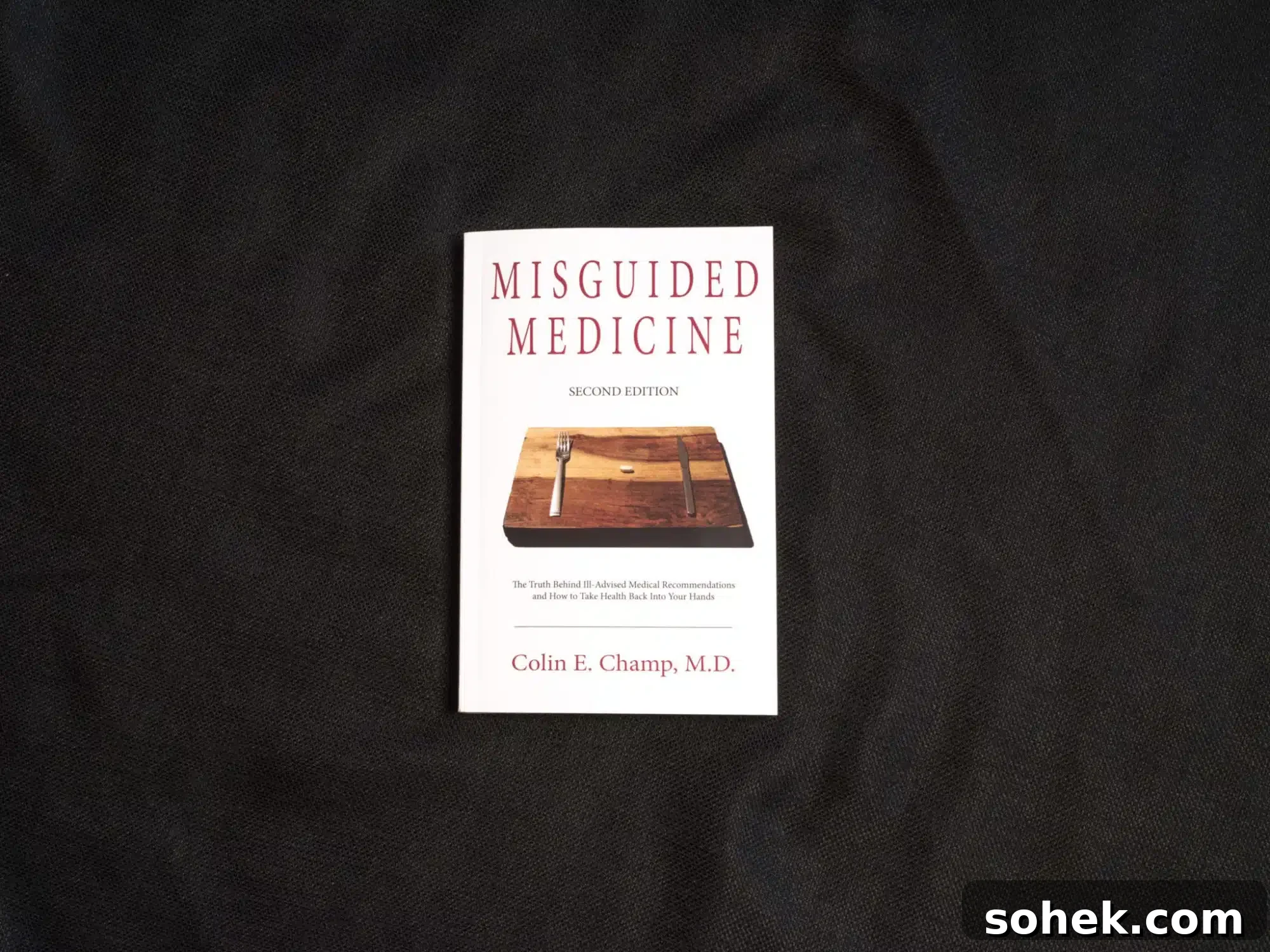
Dr. Colin E. Champ is a radiation oncologist and an assistant professor affiliated with the University of Pittsburgh Cancer Institute and the University of Pittsburgh Medical Center, where he helps lead the Department of Integrative Oncology. Board certified in both radiation oncology and integrative medicine, Dr. Champ researches and writes extensively about cancer treatment, nutrition, low‑carbohydrate diets, and exercise. He has lectured internationally on these topics, and his work has been cited and featured in major publications and professional outlets, reflecting his commitment to evidence‑based, integrative approaches to health.

A Case for a Low‑Carb, High‑Fat Diet
Dr. Champ’s book is an important read for anyone concerned about the healthfulness of a low‑carbohydrate, high‑fat (LCHF) approach. He outlines how dietary fats play essential roles in human physiology: cholesterol and saturated fats are necessary for hormone production, cell membranes rely on lipids for structure and protection, and many nutrient‑dense foods that contain fat also provide fat‑soluble vitamins and critical micronutrients. Rather than demonizing fat, Dr. Champ presents a nuanced view of which fats support health and how certain foods may influence cancer biology.
Throughout his writing, Dr. Champ addresses how carbohydrates—especially refined carbohydrates and sugars—can drive metabolic dysregulation. He explains how frequent carbohydrate overload elevates insulin secretion, and how persistent high insulin levels promote fat storage and impair fat burning. Conversely, when insulin is lower, the body more readily uses stored fat for energy. He also discusses the addictive qualities of many carbohydrate‑rich foods and the limitations and potential downsides of relying predominantly on grains and processed carbohydrates.
Dr. Champ emphasizes the value of obtaining nutrients from whole foods rather than pills and highlights the importance of physical activity to maintain bone health and improve metabolic markers. His approach integrates dietary change with exercise and lifestyle measures to support overall wellbeing and to complement conventional medical care where appropriate.
He supports his recommendations with numerous studies and clinical observations. For example, research he cites shows that diets high in carbohydrates can slow metabolic rate and reduce fat burning, while other work connects elevated insulin with increased fat accumulation. These findings form part of a broader argument for moderating carbohydrate intake, especially refined carbs and sugars, as a strategy to improve metabolic health and reduce excess adiposity.
Real‑world experiences reinforce these points. One patient featured in the discussion managed cystic fibrosis‑related diabetes (CFRD) by adopting a low‑carb lifestyle, achieving progressive improvements in hemoglobin A1C—from 6.7 to 6.2 and then to 5.9—alongside a meaningful rise in HDL cholesterol. These changes helped the patient avoid insulin therapy and maintain more stable blood glucose levels.
Similarly, personal accounts within the book describe substantial weight loss and improved metabolic markers after switching to a lower‑carbohydrate way of eating. One contributor reported losing 43 pounds in under a year, increasing HDL cholesterol by 25 percent, and lowering A1C from 5.7 to 5.1—outcomes that helped reduce the risk of future diabetes and supported sustained health and vitality.
Basic Health Principles
Dr. Champ outlines several practical principles to help people avoid common dietary misconceptions and make informed choices. These core ideas, presented in accessible language, encourage a focus on whole foods, sensible carbohydrate restriction, and an understanding of how modern processed foods differ from traditional human diets.
- Do not fear dietary fat; our species has consumed natural fats for millennia and they serve important biological roles.
- Limit excessive carbohydrates, as they contribute to obesity and promote addictive eating behaviors driven by rapid blood sugar and insulin swings.
- Move beyond the outdated food pyramid and plate models that emphasize carbohydrates; prioritize protein, healthy fats, and nutrient‑rich vegetables.
- Adjust carbohydrate intake based on individual goals for weight and metabolic health, recognizing that higher carb intakes often correlate with excess body fat.
- Avoid added sugars and prioritize leafy greens, colorful vegetables, berries, and nutrient‑dense root vegetables like sweet potatoes.
- Acknowledge that refined sugars and certain grain products can be highly addictive for many people; limiting or eliminating these foods is a practical strategy for those who struggle with moderation.

Our Recommendation
Dr. Champ’s book, Misguided Medicine, is clear, well‑referenced, and accessible to both lay readers and health professionals. It strips away unnecessary jargon and builds a logical, evidence‑based case for rethinking standard dietary advice—particularly the emphasis on high carbohydrate intake. Whether you enjoy food as a passion or you’re exploring LCHF eating for health reasons, this book provides practical guidance and a thoughtful framework for improving metabolic health and supporting long‑term wellbeing.